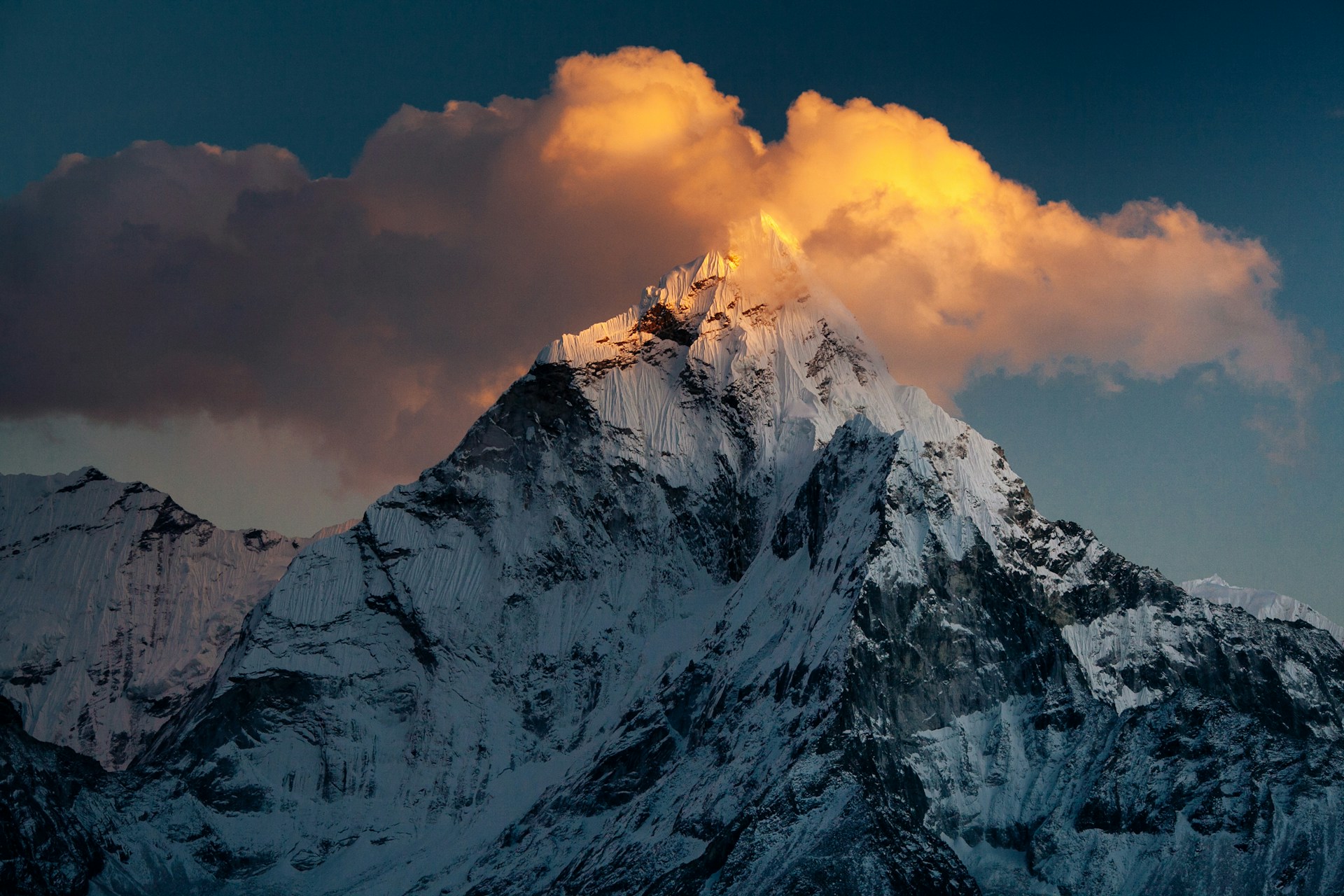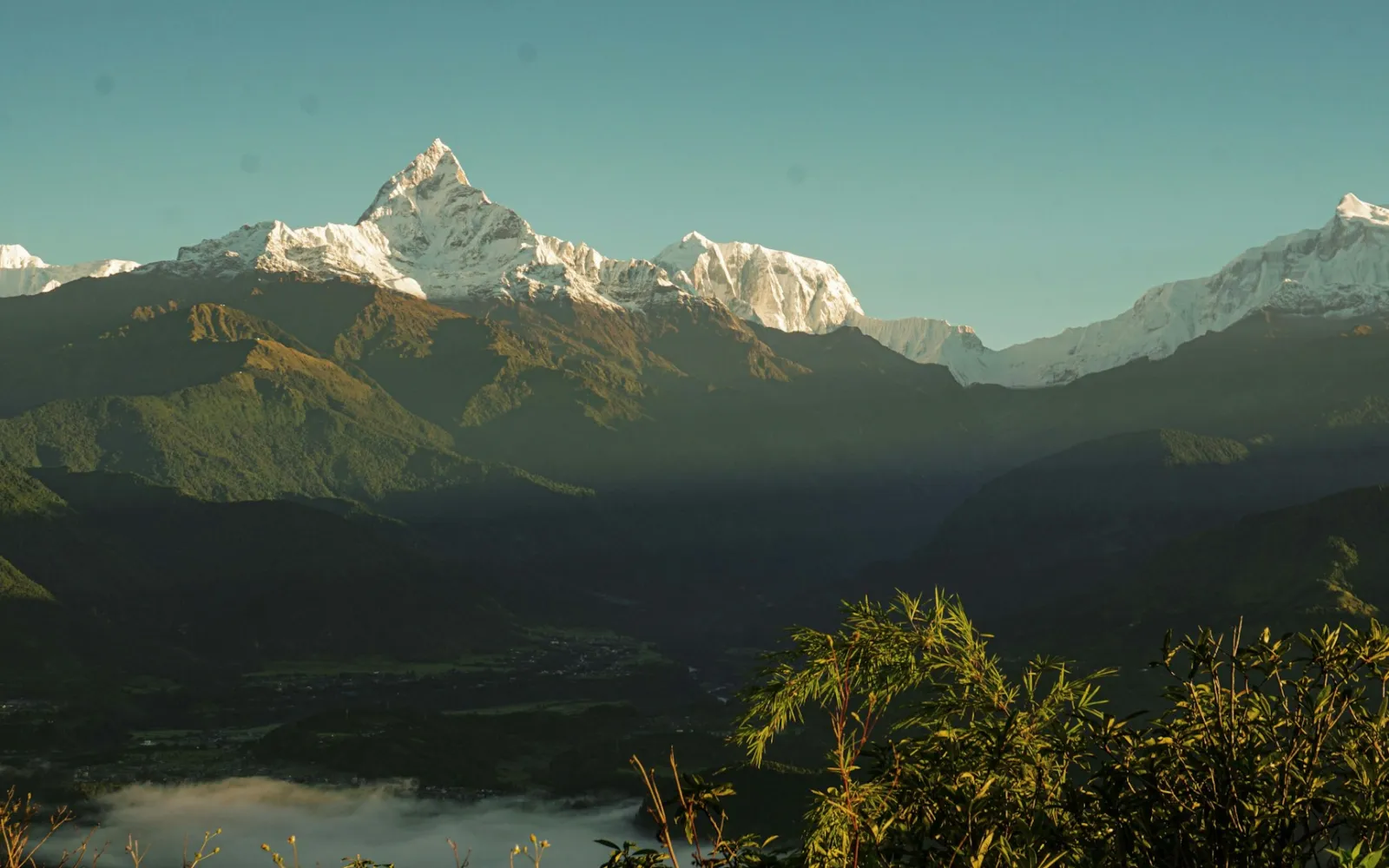
Nepal is one of the world's most celebrated trekking destinations, offering breathtaking mountain landscapes, diverse cultures, and unforgettable adventures. Home to eight of the world's fourteen highest peaks, including Mount Everest, Nepal attracts thousands of trekkers every year seeking everything from short scenic hikes to challenging high-altitude expeditions.
Choosing the right trekking season is one of the most important factors for a successful Himalayan journey. Weather conditions, visibility, trail accessibility, and overall trekking experiences vary significantly throughout the year. Understanding the characteristics of each season helps travelers plan safer, more enjoyable, and more rewarding trekking adventures.
Key Highlights:
At Himalayan Mantras, we help trekkers select the ideal season and route based on their preferences, fitness level, and travel goals, ensuring an unforgettable Himalayan experience.
Why Nepal is a Trekker’s Paradise
Nepal is widely regarded as a trekker's paradise due to its extraordinary blend of natural beauty, cultural richness, and mountain adventure. From the towering peaks of the Himalayas to remote villages, lush forests, and ancient monasteries, every trail presents a unique journey through some of the world's most spectacular landscapes.
Beyond the scenery, Nepal offers an incredible diversity of trekking routes suitable for beginners, experienced hikers, and seasoned mountaineers alike. Whether exploring the famous Everest Base Camp Trek, the Annapurna Circuit, or lesser-known hidden trails, trekkers encounter warm hospitality and centuries-old traditions that make every journey memorable.
Why Trekkers Love Nepal:
Himalayan Mantras specializes in creating authentic trekking experiences that combine adventure, cultural immersion, and responsible tourism throughout Nepal's Himalayan regions.
Understanding the Himalayan Trekking Experience
Trekking in Nepal is much more than walking through mountain trails. It is an immersive experience that combines adventure, culture, and nature. Trekkers journey through diverse terrains, from subtropical valleys and rhododendron forests to alpine meadows and snow-covered mountain passes. Every region offers a distinct atmosphere and breathtaking scenery.
The Himalayan trekking experience also introduces travelers to Nepal's vibrant ethnic communities, traditional lifestyles, and spiritual heritage. Along the trails, trekkers stay in tea houses, interact with local residents, and gain insight into the customs and traditions that have shaped life in the mountains for generations.
What Makes Himalayan Trekking Unique:
With expert guidance from Himalayan Mantras, trekkers can confidently explore Nepal's diverse trekking regions while enjoying a safe, well-organized, and enriching Himalayan journey.
A Quick Snapshot of Seasonal Conditions
Nepal experiences four primary trekking seasons: Spring, Summer/Monsoon, Autumn, and Winter. Each season offers distinct weather patterns, scenery, and trekking opportunities. Understanding these seasonal differences helps trekkers choose the most suitable time for their adventure based on personal preferences and trekking goals.
While Spring and Autumn are considered the most popular trekking seasons due to favorable weather and excellent mountain visibility, Winter and Monsoon treks can provide unique advantages such as fewer crowds, peaceful trails, and special natural beauty. Selecting the right season depends on factors such as route choice, temperature preferences, and desired trekking experience.
Quick Seasonal Overview:
At Himalayan Mantras, we provide expert seasonal guidance and customized trekking plans to help adventurers experience Nepal's Himalayas at the perfect time of year.
Why Spring is One of the Most Popular Trekking Times
Spring is widely considered one of the best trekking seasons in Nepal. From March to May, the weather becomes warmer, the days are longer, and the mountain views are generally clear and spectacular. As winter snow begins to melt, trekking trails become more accessible, creating ideal conditions for both beginner and experienced trekkers.
One of the biggest attractions of spring trekking is the vibrant natural beauty found throughout the Himalayan regions. Hillsides and forests burst into color with blooming rhododendrons, magnolias, and other wildflowers. Popular trekking routes such as the Annapurna and Everest regions become especially scenic, offering breathtaking landscapes and excellent photography opportunities.
Spring is also a favored season for mountaineering expeditions, including attempts to summit Mount Everest. The stable weather and moderate temperatures make high-altitude trekking safer and more comfortable compared to the colder winter months.
Why Choose Spring for Trekking:
At Himalayan Mantras, we highly recommend spring for trekkers seeking a balance of comfortable weather, stunning scenery, and unforgettable Himalayan experiences.
The Peak Trekking Season with the Clearest Mountain Views
Autumn is the most popular trekking season in Nepal and is often regarded as the best time to explore the Himalayas. Following the monsoon rains, the atmosphere becomes clean and dust-free, creating crystal-clear mountain views and exceptional visibility across trekking regions.
From September to November, trekkers enjoy stable weather, moderate temperatures, and dry trails. These favorable conditions make autumn suitable for nearly every trekking route in Nepal, from Everest Base Camp and Annapurna Circuit to remote destinations such as Manaslu and Upper Mustang.
The festive atmosphere in Nepal during autumn adds another layer of cultural richness to the trekking experience. Major festivals such as Dashain and Tihar often occur during this period, allowing visitors to witness traditional celebrations while exploring mountain communities.
Benefits of Autumn Trekking:
Himalayan Mantras offers expertly guided autumn treks designed to help adventurers experience Nepal's most iconic trails during the country's premier trekking season.
Cold but Peaceful Trails: Who Should Trek in Winter
Winter trekking in Nepal provides a completely different Himalayan experience. While temperatures can drop significantly, especially at higher elevations, many lower and mid-altitude trekking routes remain accessible and rewarding. The season is ideal for travelers seeking peaceful trails away from peak-season crowds.
The landscapes during winter are particularly beautiful, with snow-covered peaks standing out against clear blue skies. Visibility is often excellent, and popular trekking areas become quieter, allowing trekkers to enjoy a more serene connection with nature and local culture.
Winter trekking is best suited for experienced hikers or those willing to prepare for colder conditions. Proper clothing, equipment, and route selection are essential for a safe and enjoyable journey. Destinations such as Ghorepani Poon Hill, Langtang Valley, and lower Annapurna trails remain popular winter choices.
Advantages of Winter Trekking:
At Himalayan Mantras, we help trekkers choose suitable winter routes and provide expert support to ensure a comfortable and memorable adventure during Nepal's colder months.
Challenges of Rain and Lush Green Landscapes
The monsoon season brings regular rainfall across much of Nepal, transforming the countryside into a vibrant and lush green paradise. While this period is often considered the least popular trekking season, it offers unique opportunities for travelers who enjoy quieter trails, dramatic landscapes, and rich natural beauty.
Rain showers are common during June, July, and August, particularly in lower and mid-hill regions. Trails can become muddy and slippery, and mountain views may be partially obscured by clouds. However, the forests, waterfalls, rivers, and agricultural terraces become exceptionally beautiful during this season.
Certain rain-shadow regions, including Upper Mustang and Dolpo, receive significantly less rainfall and remain excellent trekking destinations during the monsoon months. These areas offer adventurous alternatives for trekkers who wish to explore Nepal despite seasonal rains.
Monsoon Trekking Highlights:
Himalayan Mantras carefully plans monsoon trekking adventures by recommending suitable destinations and providing expert guidance to help travelers safely enjoy Nepal's unique rainy-season beauty.
Weather, Visibility, Crowd Levels, and Difficulty
Each trekking season in Nepal offers a unique experience, and understanding the differences can help trekkers choose the most suitable time for their adventure. Weather conditions, mountain visibility, trail conditions, and crowd levels vary significantly throughout the year, influencing both the trekking experience and the level of preparation required.
Spring and autumn are generally considered the best trekking seasons due to their stable weather and excellent visibility. Winter offers peaceful trails and clear skies but comes with colder temperatures, while the monsoon season provides lush landscapes at the cost of increased rainfall and reduced visibility in some regions.
When comparing the seasons, trekkers should consider their personal preferences, fitness level, and desired trekking environment. Some travelers enjoy the vibrant atmosphere of peak trekking seasons, while others prefer the solitude and tranquility of off-season adventures.
Seasonal Comparison at a Glance:
At Himalayan Mantras, we help trekkers compare seasonal conditions and select the perfect trekking window based on their goals, comfort level, and preferred adventure style.
Recommended Routes Based on Seasonal Conditions
Different trekking routes perform better during different seasons due to variations in weather, trail conditions, and altitude. Choosing a trek that aligns with the season can significantly enhance the overall experience and maximize safety and enjoyment.
Spring and autumn are suitable for nearly all major trekking routes, including high-altitude adventures. Winter is ideal for lower-elevation treks where snow accumulation is limited, while monsoon trekking is best enjoyed in rain-shadow regions that receive minimal rainfall.
Selecting the right trek for the season allows travelers to enjoy the best mountain views, favorable temperatures, and optimal trail conditions. Experienced local guides can also provide valuable insights into seasonal route recommendations.
Best Treks by Season:
Spring (March–May):
Autumn (September–November):
Winter (December–February):
Monsoon (June–August):
Himalayan Mantras carefully recommends trekking routes according to seasonal conditions, ensuring travelers enjoy the safest and most rewarding Himalayan experience possible.
Factors to Consider: Fitness, Goals, and Experience Level
Selecting the best trekking season is not only about weather conditions but also about matching the season with your personal objectives, physical fitness, and trekking experience. A well-planned trek begins with understanding what type of adventure you hope to achieve in Nepal's Himalayas.
For first-time trekkers, spring and autumn are often the best choices due to their predictable weather and comfortable trail conditions. Experienced trekkers seeking quieter routes may prefer winter or monsoon adventures, where fewer crowds create a more peaceful atmosphere and a stronger connection with nature.
Trekkers should also consider factors such as altitude tolerance, preferred temperatures, photography opportunities, and available vacation time. High-altitude routes may require greater preparation during colder seasons, while monsoon trekking demands flexibility and appropriate gear.
Important Factors to Consider:
At Himalayan Mantras, our experienced trekking specialists provide personalized recommendations to help every traveler choose the ideal season, route, and itinerary for a successful and unforgettable journey in Nepal.
What to Carry Depending on Weather Conditions
Packing appropriately for your trek in Nepal is essential for comfort, safety, and overall enjoyment. Since weather conditions vary significantly across the four trekking seasons, trekkers should adjust their gear and clothing according to the time of year and the altitude of their chosen route. Proper preparation helps prevent weather-related challenges and ensures a smoother trekking experience.
Layering is one of the most effective packing strategies for Himalayan trekking. Temperatures can change dramatically between day and night, especially at higher elevations. Lightweight, moisture-wicking clothing combined with insulating layers and weatherproof outerwear allows trekkers to adapt to changing conditions throughout the journey.
Different seasons require specific equipment and clothing. While spring and autumn demand versatile trekking gear, winter requires extra insulation, and monsoon trekking calls for waterproof protection and quick-drying materials.
Essential Packing Tips by Season:
Spring (March–May):
Autumn (September–November):
Winter (December–February):
Monsoon (June–August):
At Himalayan Mantras, we provide season-specific packing guidance to ensure trekkers are fully prepared for Nepal’s diverse weather conditions and mountain environments.
Altitude, Weather Risks, and Trail Preparedness
Safety should always be a top priority when trekking in Nepal, regardless of the season. While each trekking season offers unique advantages, every period also presents specific challenges that require proper planning and awareness. Understanding seasonal risks helps trekkers make informed decisions and enjoy a safer Himalayan adventure.
Altitude sickness remains one of the most important considerations for trekkers traveling above 2,500 meters. Proper acclimatization, gradual ascent schedules, hydration, and recognizing early symptoms are essential throughout the year. Weather conditions can also affect safety, with snow, rain, strong winds, and temperature fluctuations influencing trail accessibility and trekking difficulty.
Trekkers should always monitor weather forecasts, carry appropriate gear, and travel with experienced guides when exploring remote or high-altitude regions. Being prepared for unexpected conditions significantly improves both safety and confidence on the trail.
Important Safety Considerations:
Seasonal Safety Challenges:
At Himalayan Mantras, safety is our highest priority. Our experienced guides, carefully planned itineraries, and local expertise help trekkers navigate Nepal’s mountains with confidence and peace of mind.
Planning Your Perfect Trekking Adventure in Nepal
Nepal offers incredible trekking opportunities throughout the year, with each season providing its own unique beauty, challenges, and rewards. Whether you are drawn to the blooming landscapes of spring, the crystal-clear mountain views of autumn, the peaceful snow-covered trails of winter, or the lush greenery of the monsoon season, there is a perfect trekking experience waiting for every adventurer.
The key to a successful trek lies in selecting the right season, choosing a suitable route, preparing properly, and understanding the conditions you may encounter along the way. By matching your fitness level, travel goals, and personal preferences with the appropriate season, you can create a memorable Himalayan journey that exceeds expectations.
Nepal’s majestic mountains, rich cultural heritage, and warm hospitality continue to inspire travelers from around the world. With careful planning and expert guidance, your trekking adventure can become one of the most rewarding experiences of a lifetime.
Key Takeaways:
At Himalayan Mantras, we are dedicated to helping travelers discover the best trekking experiences Nepal has to offer. Whether you are a first-time trekker or an experienced adventurer, our expert team is ready to guide you toward an unforgettable Himalayan journey.