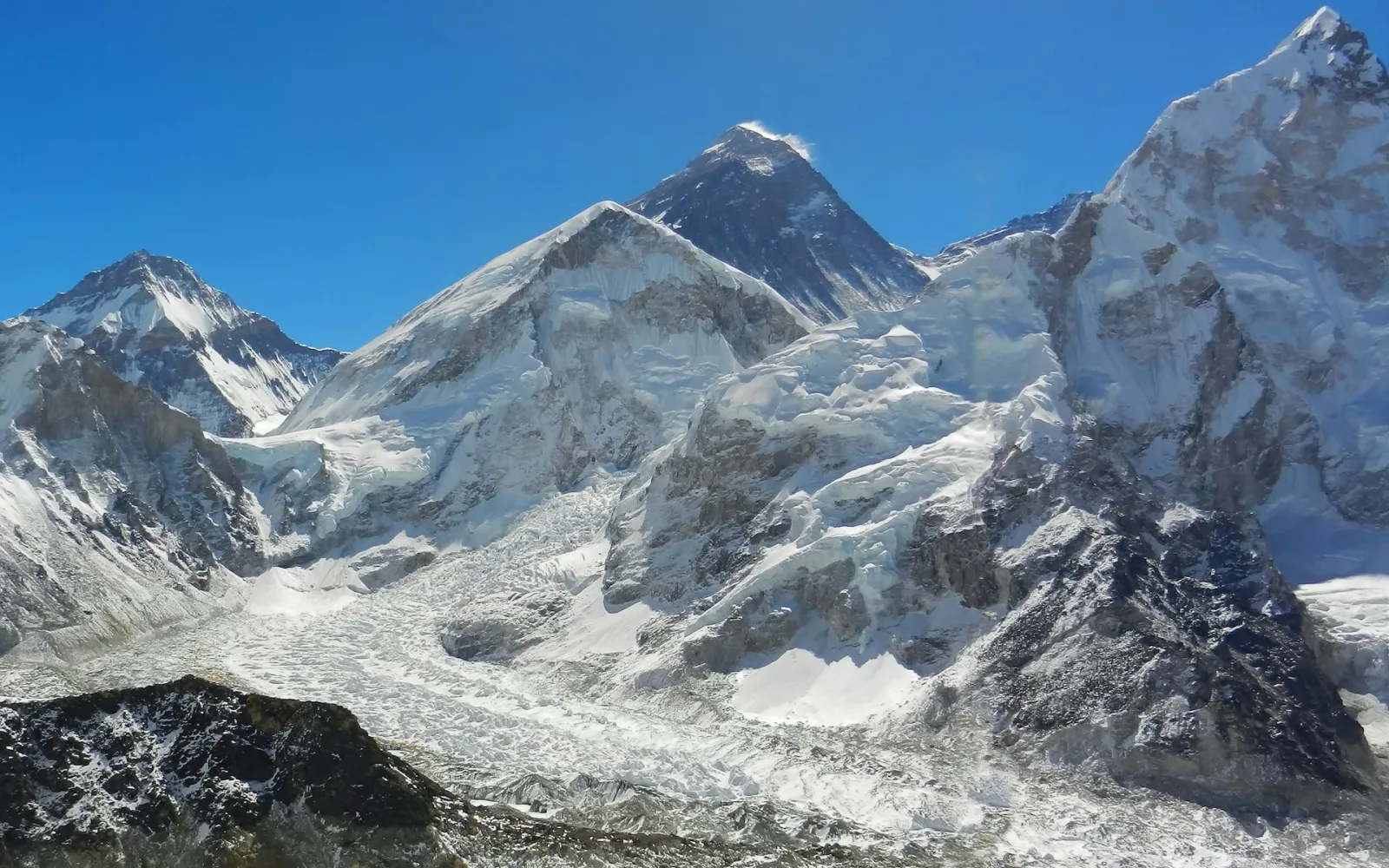
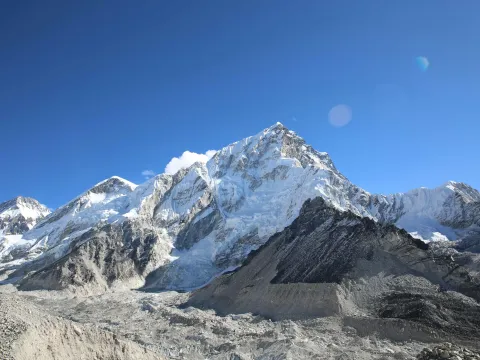
The Everest Base Camp Trek is one of the most iconic trekking adventures in the world, leading you deep into the heart of the Khumbu region of Nepal. Organized by Himalayan Mantras, this journey takes you through dramatic Himalayan landscapes, traditional Sherpa villages, ancient monasteries, and finally to the base of the world’s highest peak, Mount Everest (8,848.86 m). The trek follows a well-established route passing through key destinations such as Lukla, Namche Bazaar, Tengboche, Dingboche, Lobuche, and Gorak Shep before reaching the legendary Everest Base Camp.This 15-day itinerary is carefully designed to ensure proper acclimatization, safety, and maximum scenic enjoyment. Himalayan Mantras focuses on guided support, cultural immersion, and responsible trekking practices, ensuring travelers experience both natural beauty and Himalayan hospitality.The trek is not only about reaching Everest Base Camp but also about experiencing the spiritual and cultural richness of the Khumbu region. From monasteries like Tengboche Monastery to panoramic viewpoints such as Kala Patthar, every day brings a new perspective of the Himalayas.Trek to Everest Base Camp (5,364 m)Sunrise view from Kala PattharSherpa culture and monasteriesScenic flights to/from LuklaAcclimatization days in Namche & DingbocheGuided support by Himalayan MantrasBest Season for Everest Base Camp TrekThe best seasons for the Everest Base Camp Trek are spring (March–May) and autumn (September–November). During these periods, weather conditions are stable, skies are clear, and mountain visibility is at its best. Spring offers blooming rhododendrons and slightly warmer temperatures, while autumn provides crisp air and excellent visibility of peaks like Everest, Lhotse, and Ama Dablam.Winter (December–February) is also possible but extremely cold, especially at higher elevations like Gorak Shep and Lobuche. Monsoon season (June–August) is generally avoided due to heavy rainfall, flight delays to Lukla, and slippery trails.Himalayan Mantras carefully schedules departures in peak seasons to ensure optimal trekking conditions, safety, and maximum enjoyment of Himalayan scenery.Season breakdown:Spring (Mar–May): Best for flowers & moderate weatherAutumn (Sep–Nov): Best visibility & stable climateWinter (Dec–Feb): Cold but less crowdedMonsoon (Jun–Aug): Not recommended due to rain & flightsEverest Base Camp Trek Difficulty and TransportationThe Everest Base Camp Trek is considered moderate to challenging, mainly due to high altitude rather than technical climbing difficulty. The trail involves long walking days (5–7 hours on average), steep ascents, rocky paths, and thin air above 3,500 meters. However, no technical mountaineering skills are required, making it achievable for fit trekkers with proper preparation.Transportation begins with a scenic yet adventurous flight from Kathmandu to Lukla, landing at the famous Tenzing-Hillary Airport. From there, the trek proceeds on foot through villages like Phakding and Namche Bazaar. Return transportation follows the same route, with a flight back to Kathmandu at the end of the journey.Altitude sickness is the main challenge, especially beyond Dingboche and Lobuche. Himalayan Mantras includes acclimatization days and experienced guides to ensure safety.Difficulty & transport highlights:Moderate–challenging trekking grade5–7 hours walking dailyScenic but weather-dependent flights to LuklaHigh-altitude risk management includedNo technical climbing requiredFood and Accommodation for Everest Base Camp TrekAccommodation along the Everest Base Camp route consists mainly of teahouses, which are simple mountain lodges run by local families. Rooms are basic, typically twin-sharing with shared bathrooms at lower elevations like Phakding and Namche Bazaar. As altitude increases toward Gorak Shep, facilities become more basic due to remote conditions.Food is hearty and designed to provide energy for trekking. Common meals include dal bhat (rice and lentils), noodles, pasta, soups, potatoes, and Tibetan bread. Himalayan Mantras ensures hygienic food arrangements and recommends high-calorie diets for altitude adaptation.At higher elevations like Lobuche, food variety reduces but remains sufficient for trekking needs. Hot drinks such as tea, coffee, and ginger lemon honey are widely available and help with hydration and warmth.Accommodation & food highlights:Teahouse lodging throughout trekBasic rooms, shared bathrooms at higher altitudeNutritious local meals (dal bhat recommended)Limited menu at higher elevationsSafe, hygienic arrangements by Himalayan MantrasEverest Base Camp Trek PermitsTo undertake the Everest Base Camp Trek, trekkers must obtain several official permits. These are required to enter the Khumbu region and ensure environmental conservation and local regulation compliance. Himalayan Mantras handles all permit arrangements for a smooth trekking experience.The main permits include the Khumbu Pasang Lhamu Rural Municipality Permit and the Sagarmatha National Park Entry Permit. These permits are checked at various points along the trail, especially near Monjo before entering protected areas.All permits are typically arranged in Kathmandu before flying to Lukla. Proper documentation ensures hassle-free trekking and supports local infrastructure and conservation efforts.Required permits:Sagarmatha National Park PermitKhumbu Pasang Lhamu Rural Municipality PermitTIMS card (in some cases, depending on regulations)Arranged by Himalayan Mantras before departureWhy Choose Everest Base Camp Trek with Himalayan MantrasChoosing the Everest Base Camp Trek with Himalayan Mantras ensures a professionally organized, safe, and culturally immersive Himalayan experience. The company focuses on responsible tourism, experienced guides, and personalized service, making the journey both comfortable and meaningful.From arrival in Kathmandu to the final farewell dinner, every step is carefully planned. Himalayan Mantras provides expert trekking guides, porter support, emergency assistance, and acclimatization-focused itineraries. The journey through places like Namche Bazaar, Tengboche, and Dingboche is enriched with cultural insights and local interaction.This trek is not just about reaching Everest Base Camp, but about experiencing the Himalayas deeply and safely.Why choose Himalayan Mantras:Experienced and certified trekking guidesSafety-focused acclimatization itineraryFull logistics (permits, flights, accommodation)Cultural immersion with local communitiesEmergency support and first aid readinessEthical and responsible trekking practices
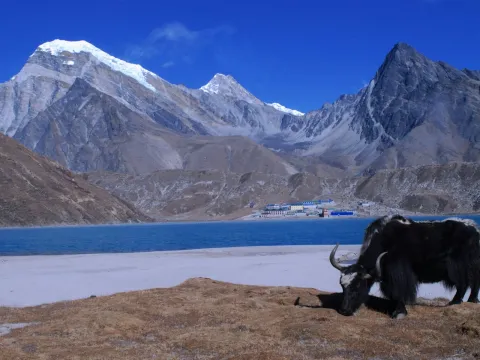
The Gokyo Lake Trek is one of the most rewarding trekking adventures in Nepal, offering a quieter and more scenic alternative to the traditional Everest Base Camp route. This spectacular journey takes trekkers through the heart of the Everest region, passing charming Sherpa villages, ancient monasteries, rhododendron forests, and breathtaking mountain landscapes. The trek reaches the stunning Gokyo Valley, home to a series of pristine turquoise lakes that are considered sacred by both Hindus and Buddhists.With Himalayan Mantras, trekkers can enjoy a carefully designed 12-day itinerary that combines natural beauty, cultural exploration, and high-altitude adventure. The highlight of the trek is the ascent to Gokyo Ri (5,357 m), one of the best viewpoints in the Himalayas. From the summit, trekkers can witness panoramic views of Mount Everest, Lhotse, Makalu, Cho Oyu, and numerous other snow-capped peaks. The trek also includes visits to the beautiful Gokyo Lakes and a hike toward the Fourth Gokyo Lake, providing unforgettable Himalayan scenery.Highlights of Gokyo Lake Trek:Scenic flight between Kathmandu and LuklaExplore the famous Sherpa town of Namche BazaarVisit the pristine Gokyo LakesSunrise view from Gokyo Ri (5,357 m)Spectacular views of Everest, Makalu, Lhotse, and Cho OyuRich Sherpa culture and traditionsBest Season for Gokyo Lake TrekThe best seasons for the Gokyo Lake Trek are spring (March to May) and autumn (September to November). During these months, the weather remains stable, skies are generally clear, and mountain views are at their finest. Spring brings blooming rhododendron forests and mild temperatures, making the trekking experience colorful and enjoyable.Autumn is equally popular due to its crystal-clear visibility and pleasant trekking conditions. After the monsoon season, the landscapes become fresh and vibrant, creating excellent photography opportunities. The temperatures are comfortable during the day, while nights remain cold but manageable with proper trekking gear.Although winter and monsoon treks are possible, they present additional challenges such as snow-covered trails, colder temperatures, and reduced visibility. Himalayan Mantras recommends spring and autumn for the safest and most enjoyable trekking experience.Best Trekking Seasons:Spring: March, April, MayAutumn: September, October, NovemberWinter: Suitable for experienced trekkersMonsoon: Less crowded but wetter conditionsGokyo Lake Trek Difficulty and TransportationThe Gokyo Lake Trek is considered a moderately challenging trek that requires a reasonable level of physical fitness. Trekkers walk for approximately 5 to 7 hours daily while gradually gaining altitude. The highest point of the trek is Gokyo Ri at 5,357 meters, making proper acclimatization essential. The itinerary includes an acclimatization day in Namche Bazaar to help reduce the risk of altitude-related issues.No technical climbing skills are required, making the trek suitable for beginners with good fitness levels and previous hiking experience. Himalayan Mantras provides experienced guides who monitor trekkers' health and ensure a safe trekking pace throughout the journey.Transportation begins with your arrival in Kathmandu, followed by a thrilling mountain flight to Lukla, the gateway to the Everest region. After completing the trek, trekkers return to Lukla and fly back to Kathmandu before final departure.Transportation Includes:Airport transfers in KathmanduKathmandu–Lukla flightLukla–Kathmandu return flightGuided trekking support throughout the journeyFood and Accommodation for Gokyo Lake TrekDuring the Gokyo Lake Trek, accommodation is provided in comfortable teahouses and mountain lodges operated by local families. These lodges offer basic yet cozy rooms, comfortable beds, blankets, and warm hospitality. In lower elevations, facilities are more developed, while higher-altitude lodges remain simpler but clean and welcoming.Food options along the trail are surprisingly diverse. Trekkers can enjoy traditional Nepali meals, Tibetan specialties, and various international dishes. Popular meals include Dal Bhat, noodles, soups, fried rice, potatoes, pasta, pancakes, and hot beverages. Eating nutritious meals and staying hydrated are important for maintaining energy and adapting to the altitude.Himalayan Mantras carefully selects quality teahouses to ensure comfort and hygiene throughout the trek.Food Highlights:Traditional Nepali Dal BhatTibetan bread and noodle soupFried rice and pasta dishesTea, coffee, and hot lemon drinksVegetarian meal options availableGokyo Lake Trek PermitsTo enter the Everest region and undertake the Gokyo Lake Trek, trekkers must obtain the required permits. These permits help support conservation efforts and local community development in the Khumbu region. Himalayan Mantras handles all permit arrangements, allowing trekkers to focus entirely on their adventure.The primary permits required are the Khumbu Pasang Lhamu Rural Municipality Permit and the Sagarmatha National Park Entry Permit. These permits are checked at various checkpoints along the trekking route. Trekkers should carry a valid passport and passport-sized photographs during the permit application process.Obtaining permits through a professional trekking company ensures a smooth and hassle-free experience.Required Permits:Sagarmatha National Park Entry PermitKhumbu Pasang Lhamu Rural Municipality PermitValid passport for registrationPermit processing assistance by Himalayan MantrasWhy Choose Gokyo Lake TrekThe Gokyo Lake Trek offers an extraordinary combination of natural beauty, cultural immersion, and breathtaking Himalayan panoramas. Unlike busier trekking routes, the Gokyo Valley provides a more peaceful environment where trekkers can fully appreciate the tranquility of the mountains. The turquoise lakes, dramatic glaciers, and panoramic viewpoints create an unforgettable trekking experience.Choosing Himalayan Mantras ensures professional service, experienced local guides, personalized support, and a commitment to safety. Our team focuses on delivering authentic Himalayan adventures while maintaining responsible and sustainable tourism practices. From airport arrival to final departure, every aspect of your journey is carefully managed to provide a seamless and memorable experience.Whether you are seeking spectacular mountain views, cultural encounters, or a unique trekking challenge, the Gokyo Lake Trek with Himalayan Mantras is an ideal choice for exploring one of Nepal's most beautiful trekking destinations.Why Trek with Himalayan Mantras?Experienced and licensed trekking guidesWell-planned itinerary and acclimatization scheduleQuality accommodation arrangementsReliable logistics and permit managementFocus on safety and customer satisfactionAuthentic local Himalayan experience
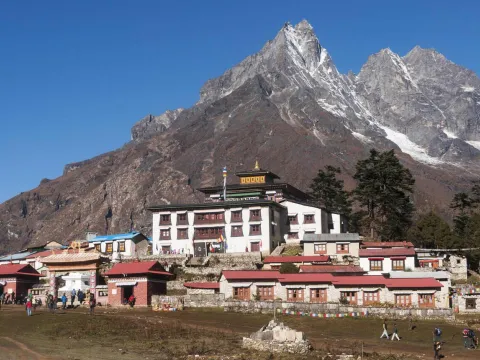
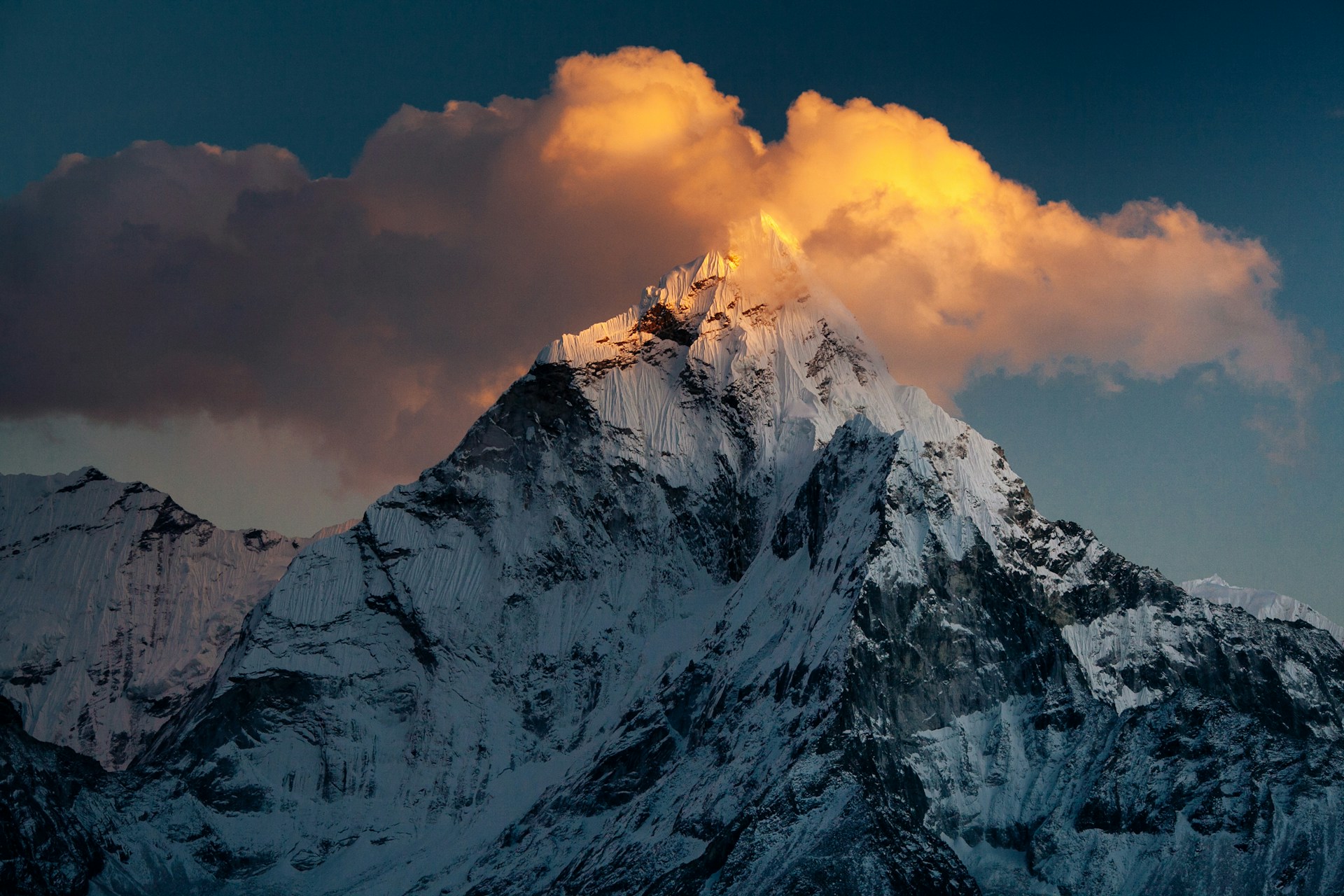
The Everest Panorama Trek is one of the most rewarding short trekking adventures in Nepal, offering breathtaking views of the world's highest peaks without the need to trek to Everest Base Camp. Organized by Himalayan Mantras, this carefully designed itinerary takes travelers through the heart of the Khumbu region, allowing them to experience Sherpa culture, ancient monasteries, and spectacular Himalayan landscapes. The trek begins with a scenic mountain flight to Lukla and follows the famous Everest trail through charming villages such as Phakding, Namche Bazaar, Tengboche, Khumjung, and Monjo.This trek is ideal for travelers who have limited time but still want to witness the grandeur of Mount Everest, Ama Dablam, Lhotse, Thamserku, and other snow-capped giants. Along the route, trekkers explore traditional Sherpa settlements, visit the renowned Tengboche Monastery, and enjoy stunning panoramic viewpoints. The journey combines natural beauty, cultural immersion, and moderate trekking challenges, making it suitable for families, beginners, and experienced trekkers alike.Trek HighlightsScenic mountain flight between Kathmandu and LuklaExplore vibrant Namche Bazaar, the Sherpa capitalVisit the famous Tengboche MonasteryExperience authentic Sherpa culture and hospitalityEnjoy panoramic views of Everest, Ama Dablam, Lhotse, and NuptseComfortable trekking itinerary with proper acclimatizationBest Season for Everest Panorama TrekThe Everest Panorama Trek can be enjoyed throughout much of the year, but spring and autumn are widely considered the best trekking seasons. During spring (March to May), the weather is stable, temperatures are comfortable, and colorful rhododendron forests bloom across the hillsides. The skies are generally clear, providing exceptional mountain visibility and ideal photography opportunities.Autumn (September to November) is another highly recommended season due to its crisp weather, dry trails, and crystal-clear mountain views. The post-monsoon atmosphere creates some of the most spectacular Himalayan panoramas. During this period, trekkers can also experience local festivals and cultural celebrations in the Everest region.Winter treks are possible for those seeking quieter trails, though temperatures can drop significantly at higher elevations. The monsoon season brings rainfall and occasional flight delays, making it less favorable for trekking.Recommended SeasonsSpring: March to MayAutumn: September to NovemberWinter: December to February (for quieter trails)Monsoon: June to August (less recommended)Everest Panorama Trek Difficulty and TransportationThe Everest Panorama Trek is considered a moderate-level trek, making it suitable for individuals with average fitness levels. Daily walking durations typically range from four to six hours, with gradual ascents and descents through mountain trails. The itinerary includes an acclimatization day in Namche Bazaar, which helps trekkers adjust to higher elevations and minimizes the risk of altitude-related issues.Unlike more demanding Everest region treks, this route remains below extreme altitudes while still offering incredible Himalayan scenery. Basic physical preparation, such as regular walking, hiking, or cardiovascular exercise before the trip, is sufficient for most participants.Transportation plays a major role in the adventure. The journey begins with sightseeing in Kathmandu before taking an exciting flight to Lukla, often regarded as one of the world's most scenic mountain flights. After completing the trek, travelers fly back to Kathmandu, where they can relax and explore Nepal's cultural heritage.Difficulty & Transport FactsModerate trekking difficultySuitable for beginners and familiesDaily trekking: 4–6 hoursMaximum elevation: 3,867m (Tengboche)Round-trip scenic flights to LuklaComfortable hotel stays in KathmanduFood and Accommodation for Everest Panorama TrekHimalayan Mantras ensures comfortable accommodation and quality meals throughout the Everest Panorama Trek. In Kathmandu, trekkers stay in well-appointed hotels with modern facilities. During the trek, accommodation is provided in traditional teahouses and lodges operated by local families, offering a warm and welcoming environment.Food options are surprisingly diverse along the trail. Trekkers can enjoy traditional Nepali dishes such as Dal Bhat, as well as international meals including noodles, pasta, fried rice, soups, pancakes, eggs, and baked goods. Freshly prepared meals provide the necessary energy for daily trekking activities.The teahouses also serve hot beverages such as tea, coffee, and hot chocolate, helping trekkers stay warm in the mountain environment. While accommodation becomes more basic at higher elevations, cleanliness, comfort, and hospitality remain excellent.Food & Accommodation FeaturesComfortable hotels in KathmanduTraditional mountain teahouses during the trekNutritious breakfast, lunch, and dinner optionsNepali and international cuisine availableWarm hospitality from local Sherpa familiesEverest Panorama Trek PermitsSeveral permits are required to enter and trek within the Everest region. Himalayan Mantras arranges all necessary permits and documentation on behalf of trekkers, ensuring a hassle-free experience. These permits support conservation efforts and help maintain trekking infrastructure within the Sagarmatha region.The primary permits include the Sagarmatha National Park Entry Permit and the Khumbu Pasang Lhamu Rural Municipality Permit. Trekkers should carry valid identification and passport-sized photographs during the permit application process.Obtaining permits through a professional trekking company ensures compliance with local regulations and allows trekkers to focus entirely on enjoying the journey.Required PermitsSagarmatha National Park Entry PermitKhumbu Pasang Lhamu Rural Municipality PermitValid passport copyPassport-sized photographsPermit assistance by Himalayan MantrasWhy Choose Everest Panorama TrekThe Everest Panorama Trek is the perfect choice for travelers seeking the beauty of the Everest region without committing to a longer and more strenuous expedition. The route offers a balanced combination of adventure, culture, comfort, and mountain scenery, making it one of Nepal's most popular short treks.Choosing Himalayan Mantras means traveling with an experienced local team dedicated to safety, personalized service, and authentic cultural experiences. From airport transfers and accommodation to permits, flights, and professional trekking guides, every aspect of the journey is carefully organized to provide a seamless trekking experience.Whether you are a first-time trekker or a returning visitor to Nepal, the Everest Panorama Trek delivers unforgettable memories of Himalayan landscapes, Sherpa heritage, and world-class trekking trails.Why Trek with Himalayan Mantras?Experienced local guides and staffCarefully planned itinerary with acclimatizationExcellent safety standardsPersonalized customer serviceAuthentic cultural experiencesCompetitive pricing and quality supportStunning Everest region mountain views
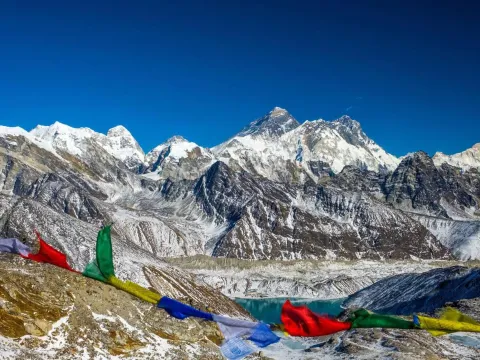
The Everest Three Pass Trek is one of the most challenging and rewarding trekking circuits in the Everest region, designed for experienced trekkers seeking high-altitude adventure beyond the standard Everest Base Camp route. This trek crosses three major Himalayan passes—Kongma La (5,535 m), Cho La (5,420 m), and Renjo La (5,360 m)—while also covering iconic destinations such as Kathmandu, Lukla, Namche Bazaar, Tengboche, Dingboche, and the turquoise lakes of Gokyo.The itinerary begins with arrival in Kathmandu and a scenic mountain flight to Lukla, followed by gradual trekking through the Dudh Koshi valley. The route ascends toward Namche Bazaar, the vibrant Sherpa capital, before continuing through Tengboche monastery and into the high-altitude settlement of Dingboche. From here, trekkers tackle three high passes, each offering dramatic glacier crossings, panoramic Himalayan views, and remote alpine landscapes.This trek also includes major highlights such as Everest Base Camp (5,364 m), Kala Patthar viewpoint, and the Gokyo Lakes system, making it a complete Everest circuit adventure. It is physically demanding but extremely rewarding, offering unmatched diversity in terrain, culture, and Himalayan scenery.Cross 3 high Himalayan passes above 5,300 mVisit Everest Base Camp & Kala PattharExplore Gokyo Lakes and glacial valleysExperience Sherpa culture in Namche & TengbocheScenic flight between Kathmandu and LuklaBest Season for Everest Three Pass TrekThe best seasons for the Everest Three Pass Trek are spring (March–May) and autumn (September–November). These periods provide stable weather conditions, clear skies, and excellent mountain visibility, which are crucial for high passes such as Kongma La, Cho La, and Renjo La. During these seasons, trekkers enjoy moderate temperatures in lower elevations like Namche Bazaar and crisp, cold but manageable conditions at higher altitudes.Spring is especially beautiful due to blooming rhododendrons and active wildlife in the lower Everest region. The trails become colorful and lively, making the journey more scenic. Autumn, on the other hand, is considered the most stable season, with minimal precipitation and crystal-clear Himalayan views, ideal for photography and safe pass crossings.Winter (December–February) is possible but extremely cold, especially above 4,500 m, with heavy snow blocking passes. Monsoon season (June–August) brings rain, landslides, and poor visibility, making trekking unsafe and less enjoyable.Choosing the right season significantly improves safety, acclimatisation success, and overall trekking experience.Best season summary:Spring: Best for flowers & moderate weatherAutumn: Best for clarity & stable conditionsWinter: Very cold, high risk above 5,000 mMonsoon: Not recommended due to rain & landslidesEverest Three Pass Trek Difficulty and TransportationThe Everest Three Pass Trek is classified as strenuous to extremely challenging, primarily due to high altitude, long trekking days, and technical pass crossings. Trekkers must be prepared to walk 6–8 hours daily on rugged terrain, often above 4,000 m. The high passes—especially Kongma La and Cho La—require stamina, mental endurance, and basic alpine trekking experience.Altitude is one of the biggest challenges. The route reaches over 5,500 m at points like Chhukung Ri and the passes, increasing the risk of altitude sickness. Proper acclimatisation days in places such as Dingboche and Gokyo are essential.Transportation begins with a domestic flight from Kathmandu to Lukla, one of the world’s most thrilling mountain airports. From Lukla onward, there are no roads—only trekking routes, yak trails, and suspension bridges.Weather conditions can also impact flights to Lukla, often causing delays or cancellations, so buffer days are strongly recommended. Within the trek, movement is entirely on foot with porter and guide support provided by companies like Himalayan Mantras.Difficulty & transport summary:Strenuous high-altitude trekking route3 major passes above 5,300 mDomestic flight Kathmandu–Lukla requiredNo road access beyond LuklaWeather-dependent flight schedulesRequires strong fitness & acclimatisationFood and Accommodation for Everest Three Pass TrekAccommodation along the Everest Three Pass Trek is primarily in teahouses, which are locally run mountain lodges offering basic but comfortable lodging and meals. In lower regions such as Namche Bazaar and Tengboche, teahouses are more developed with better facilities, while higher regions like Lobuche and Gokyo have simpler accommodations due to limited resources.Rooms typically include twin beds, blankets, and shared bathrooms. As altitude increases, amenities become more basic, and heating is usually only available in dining areas. Despite simplicity, teahouses provide warm hospitality and a strong sense of Himalayan culture.Food options include dal bhat (rice, lentils, vegetables), noodles, pasta, soups, potatoes, and Tibetan bread. At higher elevations, food becomes more expensive due to transportation difficulty. Hydration and high-calorie meals are essential for maintaining energy levels during long trekking days.Companies like Himalayan Mantras ensure hygienic food arrangements and reliable accommodation bookings throughout the route, especially during peak trekking seasons.Food & accommodation summary:Teahouse lodging throughout the routeBetter facilities in lower villagesBasic but functional rooms at high altitudeTraditional Nepalese & international mealsDal Bhat as main energy mealHigher prices with altitude increaseEverest Three Pass Trek PermitsTo complete the Everest Three Pass Trek, trekkers must obtain several permits required by the Nepalese authorities. The most important include the Sagarmatha National Park Entry Permit and the Khumbu Pasang Lhamu Rural Municipality Permit. These permits help regulate tourism and preserve the fragile Himalayan environment.The Sagarmatha National Park permit is required from the entry point near the Everest region and covers protected areas including Namche Bazaar, Tengboche, and Everest Base Camp zones. The local municipality permit is issued in Lukla or Monjo and supports local development initiatives.Trekkers do not require a TIMS card for the Khumbu region in many updated regulations, but rules may change depending on government policy. A registered trekking agency such as Himalayan Mantras typically handles all permit arrangements to ensure compliance and smooth entry.Permits are checked at multiple checkpoints along the trail, so carrying printed copies is essential.Permit summary:Sagarmatha National Park Entry PermitKhumbu Pasang Lhamu Rural Municipality PermitIssued in Kathmandu or Lukla regionChecked at multiple trekking checkpointsAgency-assisted processing recommendedRequired for legal trekking in Everest regionWhy Choose Everest Three Pass Trek with Himalayan MantrasChoosing the Everest Three Pass Trek with Himalayan Mantras ensures a professionally guided, safe, and well-organized Himalayan expedition. This trek is not only physically demanding but also logistically complex, requiring careful planning for altitude, weather, and remote pass crossings.A professional trekking company provides experienced guides who are trained in high-altitude safety, emergency response, and cultural interpretation. This significantly enhances both safety and the overall trekking experience. Porter support also ensures trekkers can focus on the journey without carrying heavy loads.Additionally, Himalayan Mantras offers well-planned acclimatisation schedules, quality teahouse accommodations, permit management, and real-time weather monitoring. This reduces risks and increases success rates for completing all three passes.Beyond logistics, the company emphasises cultural immersion—allowing trekkers to experience Sherpa traditions, Buddhist monasteries, and Himalayan village life in places like Namche Bazaar and Tengboche.Why choose this trek with Himalayan Mantras:Experienced high-altitude certified guidesFull permit and logistics managementSafe acclimatisation-focused itineraryPorter-supported trekking systemCultural immersion opportunitiesHigher safety and success rate