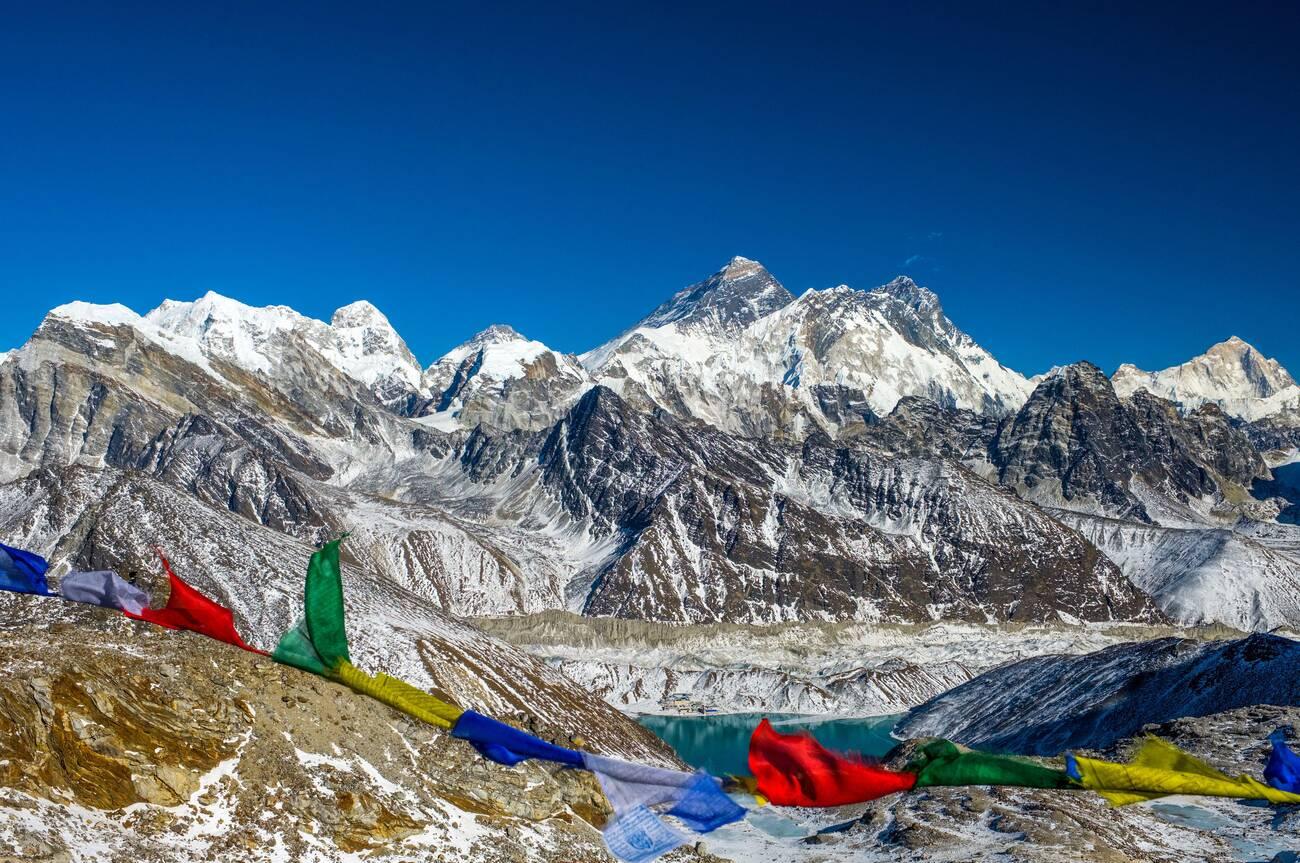
Hotel in Kathmandu and Tea House / Lodge during the trek
The Everest Three Pass Trek is one of the most challenging and rewarding trekking circuits in the Everest region, designed for experienced trekkers seeking high-altitude adventure beyond the standard Everest Base Camp route. This trek crosses three major Himalayan passes—Kongma La (5,535 m), Cho La (5,420 m), and Renjo La (5,360 m)—while also covering iconic destinations such as Kathmandu, Lukla, Namche Bazaar, Tengboche, Dingboche, and the turquoise lakes of Gokyo.
The itinerary begins with arrival in Kathmandu and a scenic mountain flight to Lukla, followed by gradual trekking through the Dudh Koshi valley. The route ascends toward Namche Bazaar, the vibrant Sherpa capital, before continuing through Tengboche monastery and into the high-altitude settlement of Dingboche. From here, trekkers tackle three high passes, each offering dramatic glacier crossings, panoramic Himalayan views, and remote alpine landscapes.
This trek also includes major highlights such as Everest Base Camp (5,364 m), Kala Patthar viewpoint, and the Gokyo Lakes system, making it a complete Everest circuit adventure. It is physically demanding but extremely rewarding, offering unmatched diversity in terrain, culture, and Himalayan scenery.
The best seasons for the Everest Three Pass Trek are spring (March–May) and autumn (September–November). These periods provide stable weather conditions, clear skies, and excellent mountain visibility, which are crucial for high passes such as Kongma La, Cho La, and Renjo La. During these seasons, trekkers enjoy moderate temperatures in lower elevations like Namche Bazaar and crisp, cold but manageable conditions at higher altitudes.
Spring is especially beautiful due to blooming rhododendrons and active wildlife in the lower Everest region. The trails become colorful and lively, making the journey more scenic. Autumn, on the other hand, is considered the most stable season, with minimal precipitation and crystal-clear Himalayan views, ideal for photography and safe pass crossings.
Winter (December–February) is possible but extremely cold, especially above 4,500 m, with heavy snow blocking passes. Monsoon season (June–August) brings rain, landslides, and poor visibility, making trekking unsafe and less enjoyable.
Choosing the right season significantly improves safety, acclimatisation success, and overall trekking experience.
Best season summary:
The Everest Three Pass Trek is classified as strenuous to extremely challenging, primarily due to high altitude, long trekking days, and technical pass crossings. Trekkers must be prepared to walk 6–8 hours daily on rugged terrain, often above 4,000 m. The high passes—especially Kongma La and Cho La—require stamina, mental endurance, and basic alpine trekking experience.
Altitude is one of the biggest challenges. The route reaches over 5,500 m at points like Chhukung Ri and the passes, increasing the risk of altitude sickness. Proper acclimatisation days in places such as Dingboche and Gokyo are essential.
Transportation begins with a domestic flight from Kathmandu to Lukla, one of the world’s most thrilling mountain airports. From Lukla onward, there are no roads—only trekking routes, yak trails, and suspension bridges.
Weather conditions can also impact flights to Lukla, often causing delays or cancellations, so buffer days are strongly recommended. Within the trek, movement is entirely on foot with porter and guide support provided by companies like Himalayan Mantras.
Difficulty & transport summary:
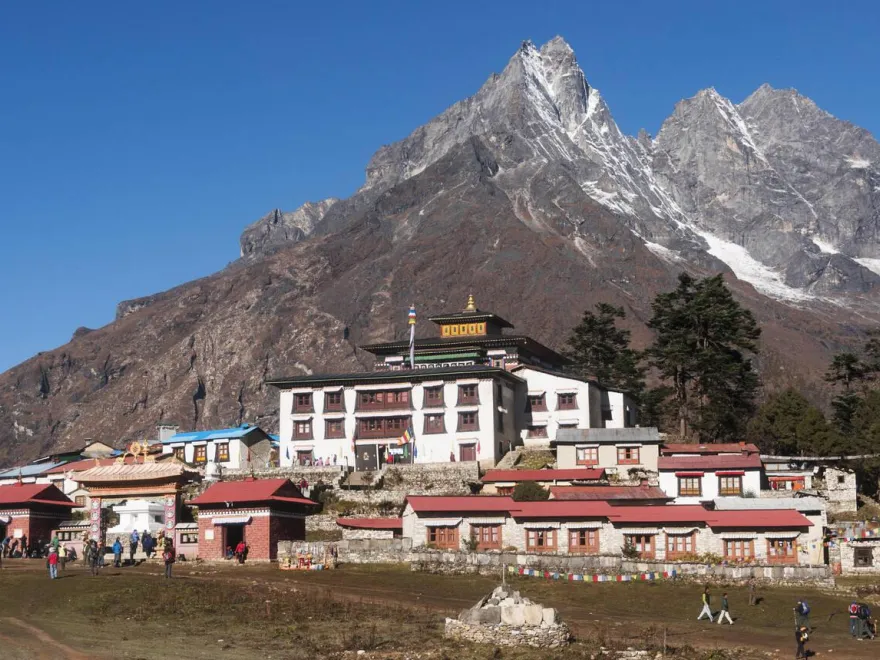
Accommodation along the Everest Three Pass Trek is primarily in teahouses, which are locally run mountain lodges offering basic but comfortable lodging and meals. In lower regions such as Namche Bazaar and Tengboche, teahouses are more developed with better facilities, while higher regions like Lobuche and Gokyo have simpler accommodations due to limited resources.
Rooms typically include twin beds, blankets, and shared bathrooms. As altitude increases, amenities become more basic, and heating is usually only available in dining areas. Despite simplicity, teahouses provide warm hospitality and a strong sense of Himalayan culture.
Food options include dal bhat (rice, lentils, vegetables), noodles, pasta, soups, potatoes, and Tibetan bread. At higher elevations, food becomes more expensive due to transportation difficulty. Hydration and high-calorie meals are essential for maintaining energy levels during long trekking days.
Companies like Himalayan Mantras ensure hygienic food arrangements and reliable accommodation bookings throughout the route, especially during peak trekking seasons.
Food & accommodation summary:
To complete the Everest Three Pass Trek, trekkers must obtain several permits required by the Nepalese authorities. The most important include the Sagarmatha National Park Entry Permit and the Khumbu Pasang Lhamu Rural Municipality Permit. These permits help regulate tourism and preserve the fragile Himalayan environment.
The Sagarmatha National Park permit is required from the entry point near the Everest region and covers protected areas including Namche Bazaar, Tengboche, and Everest Base Camp zones. The local municipality permit is issued in Lukla or Monjo and supports local development initiatives.
Trekkers do not require a TIMS card for the Khumbu region in many updated regulations, but rules may change depending on government policy. A registered trekking agency such as Himalayan Mantras typically handles all permit arrangements to ensure compliance and smooth entry.
Permits are checked at multiple checkpoints along the trail, so carrying printed copies is essential.
Permit summary:
Choosing the Everest Three Pass Trek with Himalayan Mantras ensures a professionally guided, safe, and well-organized Himalayan expedition. This trek is not only physically demanding but also logistically complex, requiring careful planning for altitude, weather, and remote pass crossings.
A professional trekking company provides experienced guides who are trained in high-altitude safety, emergency response, and cultural interpretation. This significantly enhances both safety and the overall trekking experience. Porter support also ensures trekkers can focus on the journey without carrying heavy loads.
Additionally, Himalayan Mantras offers well-planned acclimatisation schedules, quality teahouse accommodations, permit management, and real-time weather monitoring. This reduces risks and increases success rates for completing all three passes.
Beyond logistics, the company emphasises cultural immersion—allowing trekkers to experience Sherpa traditions, Buddhist monasteries, and Himalayan village life in places like Namche Bazaar and Tengboche.
Why choose this trek with Himalayan Mantras:
Upon arrival in Kathmandu, you will be warmly welcomed by a representative of Himalayan Mantras and transferred to your hotel in the vibrant capital city. The day is kept relaxed to help you recover from international travel and adjust to the local environment. Depending on arrival time, you may explore nearby streets filled with traditional markets, temples, and cultural heritage. In the evening, there is usually a brief trek briefing where guides explain the overall route, safety protocols, and gear checks. This first day sets the foundation for the adventure ahead, blending rest, preparation, and excitement for the Himalayan journey.
Today is dedicated to exploring the cultural richness of Kathmandu Valley. You may visit UNESCO World Heritage Sites such as ancient temples, stupas, and historical palaces while learning about Nepal’s spiritual and architectural heritage. Meanwhile, the trekking team of Himalayan Mantras conducts final equipment checks and ensures all permits are arranged. Any missing gear can be purchased or rented in the trekking district of Thamel. This day is also important for mental preparation, as guides provide insights into altitude sickness, pacing strategies, and trekking expectations. The evening includes a detailed briefing session and meet-and-greet with fellow trekkers.
An early morning scenic flight takes you from Kathmandu to Lukla, one of the most thrilling mountain airports in the world. Upon landing, the trek officially begins with a gentle descent through beautiful Sherpa villages, suspension bridges, and forested trails. The route gradually follows the Dudh Koshi River, offering views of waterfalls and prayer flags fluttering in the wind. After several hours of trekking at a comfortable pace, you reach Phakding, a peaceful riverside village. This short trekking day helps your body adjust to altitude while introducing you to the rhythm of Himalayan trekking under the guidance of Himalayan Mantras.
Today’s trail becomes more challenging as you cross multiple suspension bridges, including the famous Hillary Bridge, and enter Sagarmatha National Park. The ascent toward Namche Bazaar is steady and physically demanding, especially the final uphill climb. Along the way, trekkers are rewarded with the first glimpses of Mount Everest on clear days. Namche Bazaar is the bustling Sherpa capital, filled with bakeries, shops, and trekking lodges. This vibrant mountain town is an essential acclimatization hub. The team from Himalayan Mantras ensures proper pacing and hydration reminders to help trekkers adjust safely.
This crucial acclimatization day allows your body to adapt to higher altitude before progressing further into the Himalayas. A short hike to viewpoints such as the Everest View Hotel area provides breathtaking panoramas of Everest, Lhotse, and Ama Dablam. After returning to Namche, trekkers can explore local markets, museums, and bakeries or simply rest. Guides from Himalayan Mantras emphasize hydration, nutrition, and light activity to prevent altitude sickness. This rest day is not passive but an active recovery phase that significantly improves safety and success for the challenging days ahead.
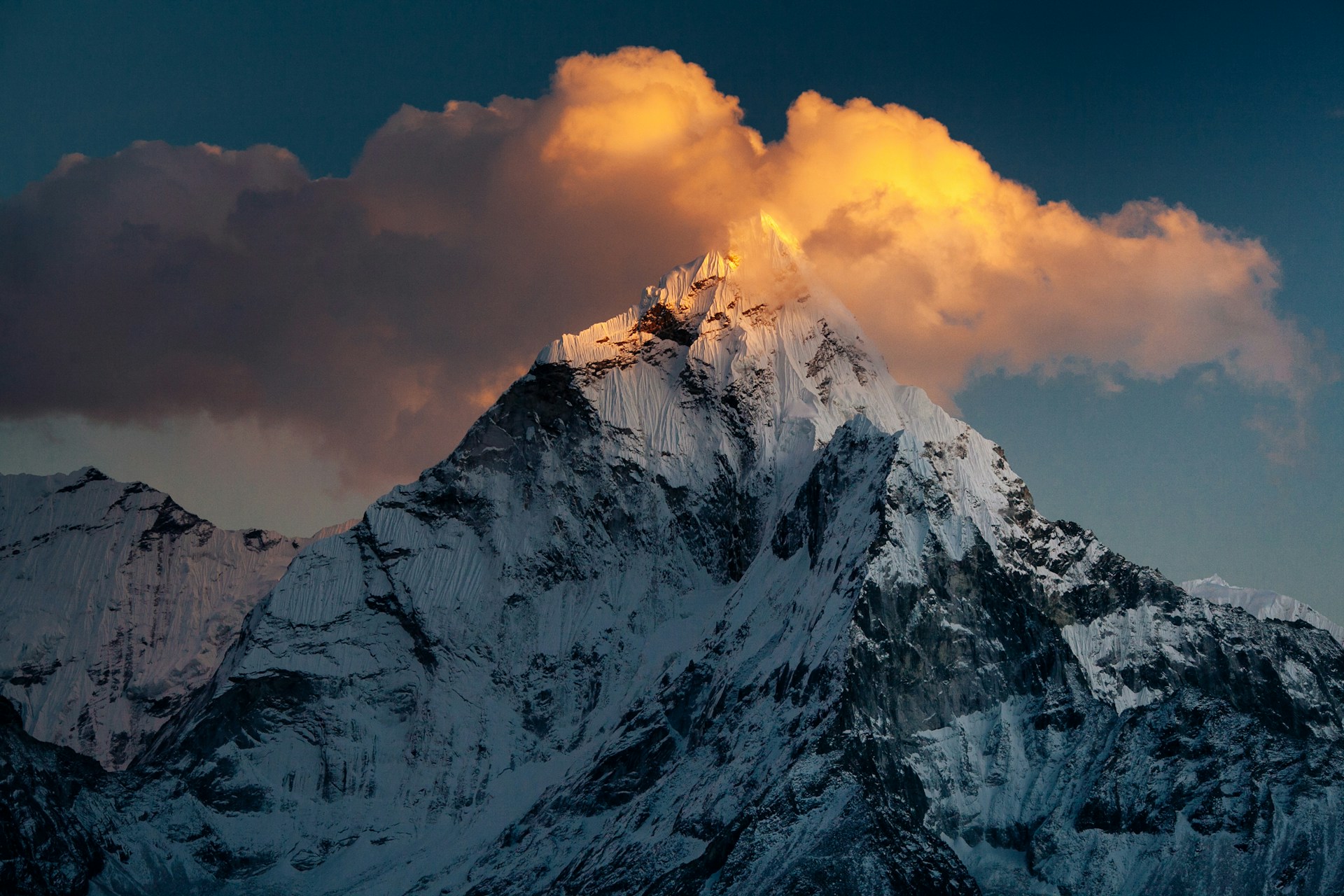
The trail today winds through rhododendron forests, alpine landscapes, and ridge paths offering spectacular Himalayan views. After a steady climb and descent, you reach the spiritual center of Tengboche, home to the famous monastery. The monastery visit provides insight into Buddhist traditions and mountain spirituality. The backdrop of Ama Dablam makes this one of the most scenic stops on the trek. The walk is moderate but requires endurance due to elevation gain and descent sections. Himalayan Mantras ensures a slow and steady pace to minimize fatigue and maximize acclimatization benefits.
Leaving Tengboche, the landscape becomes more rugged and alpine as tree lines gradually disappear. The trail descends into river valleys before climbing steadily toward Dingboche. This high-altitude settlement offers dramatic views of Lhotse, Island Peak, and surrounding glaciers. The air becomes noticeably thinner, requiring slower walking and controlled breathing. Dingboche is a key acclimatization village in the Khumbu region. The guides from Himalayan Mantras closely monitor trekkers for any signs of altitude stress while encouraging hydration and energy-rich meals.
Today is dedicated to acclimatization through short hikes around Dingboche’s surrounding ridges. These hikes help the body adapt to reduced oxygen levels while offering panoramic views of surrounding peaks and glaciers. Trekkers often climb nearby viewpoints for better altitude adjustment and photography opportunities. The rest of the day is spent resting, hydrating, and enjoying warm meals. Himalayan Mantras ensures trekkers understand the importance of “climb high, sleep low” principles. This pause is essential before crossing higher and more technical passes in the coming days.
The trek to Chhukung is relatively short but extremely important for acclimatization. From here, trekkers often climb Chhukung Ri, a challenging viewpoint offering extraordinary panoramic views of Island Peak, Lhotse, and surrounding glaciers. The ascent is steep and physically demanding, but it significantly improves altitude adaptation for Kongma La Pass ahead. After descending back to Chhukung, trekkers rest in a quiet alpine setting. Guides from Himalayan Mantras carefully monitor energy levels and ensure proper recovery after this strenuous acclimatization climb.
Today is one of the toughest sections of the trek as you cross Kongma La Pass, the highest of the three passes. The climb is steep, rocky, and physically demanding, often requiring early morning starts. The descent toward Lobuche is long and challenging but filled with incredible glacier and mountain views. Upon reaching Lobuche, trekkers rest in a high-altitude settlement near the Everest region’s core trekking routes. Himalayan Mantras ensures safety measures, pacing guidance, and support throughout this strenuous alpine crossing.
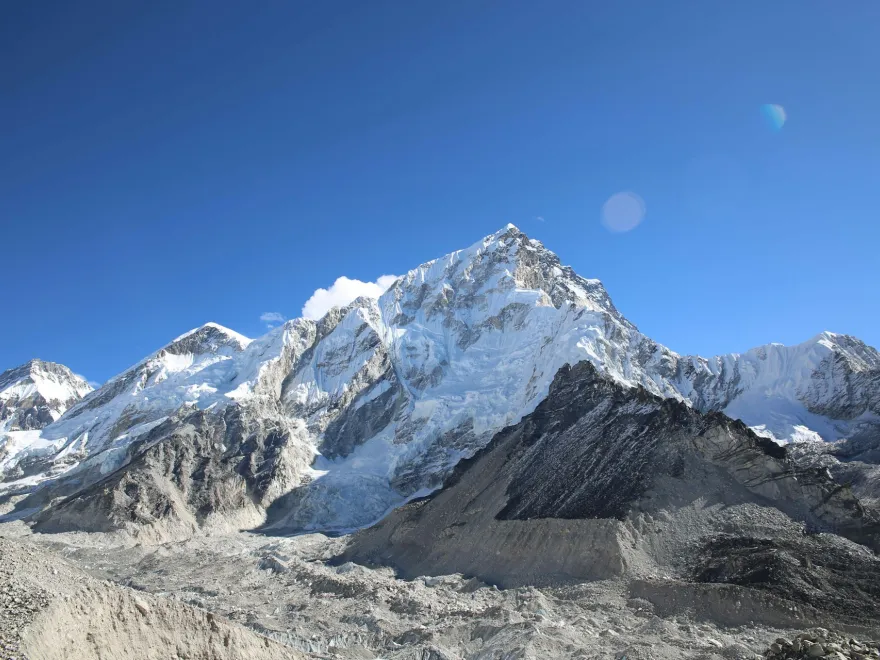
This exciting day leads you to Everest Base Camp, one of the world’s most iconic trekking destinations. The trail follows glacial moraine landscapes before reaching Gorak Shep for a short rest. From here, you continue to Everest Base Camp, surrounded by towering ice formations and expedition tents during climbing seasons. The atmosphere is both thrilling and humbling. After spending time at Base Camp, you return to Gorak Shep for the night. Guides from Himalayan Mantras ensure safety and proper pacing during this high-altitude exploration.
Early morning ascent to Kala Patthar offers the best panoramic view of Mount Everest, especially at sunrise. The climb is steep but short, making it a highlight of the entire trek. After descending to Gorak Shep, you continue trekking back toward Lobuche. This day combines both achievement and endurance, as altitude and fatigue are significant factors. The team from Himalayan Mantras provides support to ensure trekkers descend safely and recover properly after this high-altitude summit viewpoint experience.
The trail from Lobuche to Dzongla is quieter and less crowded, marking the transition toward the Cho La Pass region. The path includes gentle descents and alpine terrain with spectacular mountain backdrops. Dzongla is a small, peaceful settlement where trekkers rest and prepare for the upcoming pass crossing. The environment is serene, offering a break from busier Everest Base Camp trails. Guides from Himalayan Mantras use this day for preparation, checking weather conditions, and ensuring trekkers are ready for the technical challenge ahead.
This is one of the most technical and demanding days of the trek as you cross Cho La Pass. The route involves steep ascents, rocky terrain, and glacier crossings, requiring careful footing and endurance. After reaching the pass, the descent toward Gokyo reveals stunning views of glacial lakes and towering peaks. Gokyo village sits beside turquoise lakes, creating a surreal Himalayan landscape. Upon arrival, trekkers feel a strong sense of accomplishment. Himalayan Mantras ensures safety equipment guidance and steady pacing throughout this challenging alpine crossing.
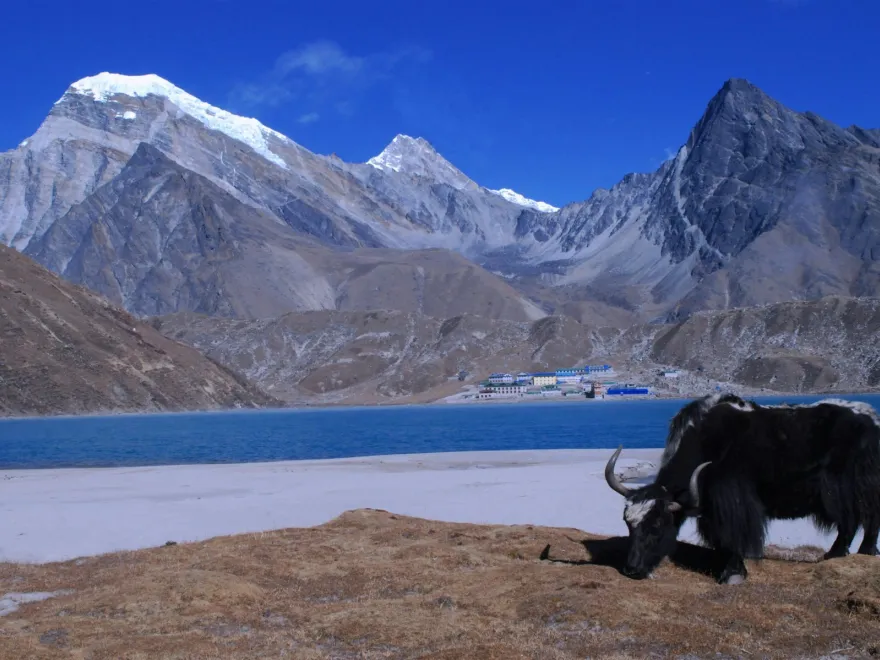
Today is a rewarding acclimatization and exploration day. A hike to Gokyo Ri offers one of the best panoramic views in the Himalayas, including Everest, Cho Oyu, and surrounding peaks. The climb is steep but manageable and highly rewarding. After returning, trekkers explore the pristine Gokyo Lakes, a sacred and visually stunning area. The day also allows rest and recovery after previous strenuous passes. Guides from Himalayan Mantras emphasize hydration and pacing while encouraging trekkers to enjoy the serene alpine environment.
The final pass, Renjo La, offers spectacular views and a challenging ascent over rocky and snowy terrain. The climb is long but less technical compared to Cho La. From the top, panoramic views of Everest, Gokyo Lakes, and surrounding peaks are unforgettable. The descent toward Lungde is steep but scenic, passing through remote Sherpa settlements. This day completes the trilogy of high passes, making it one of the most memorable parts of the trek. Himalayan Mantras ensures careful descent management and safety monitoring.
After completing the high passes, the descent toward Namche Bazaar feels significantly easier as oxygen levels increase. The trail passes through familiar villages, forests, and suspension bridges. Trekkers often feel a mix of accomplishment and fatigue as they return to the bustling Sherpa town. Namche provides comfortable lodges, bakeries, and opportunities to celebrate the journey. The team from Himalayan Mantras ensures a relaxed pace and helps trekkers transition safely from high-altitude terrain.
The final trekking day involves a long descent back to Lukla. The trail retraces familiar paths through forests, rivers, and suspension bridges. Although downhill, the distance requires endurance and careful footing. Trekkers reflect on the journey while gradually returning to lower altitudes. Lukla marks the completion of the trekking circuit, and celebrations often take place in the evening with guides and porters. Himalayan Mantras coordinates final logistics and ensures all trekking arrangements are completed.
An early morning flight takes you back to Kathmandu, offering aerial views of the Himalayan ranges one last time. Upon arrival, you are transferred to your hotel where you can rest, shower, and relax after the demanding trek. This day is often used for souvenir shopping, massage therapy, or cultural exploration depending on energy levels. The trekking team of Himalayan Mantras may host a farewell dinner to celebrate the successful completion of the Everest Three Pass Trek.
On your final day, you will be transferred to the international airport for your departure flight. Depending on your schedule, you may have time for last-minute shopping or relaxation in Kathmandu. The journey concludes with unforgettable memories of high passes, glacial valleys, and Himalayan culture. The support from Himalayan Mantras ensures a smooth departure experience, marking the end of an extraordinary adventure across the Everest region.
Your Start Date is the day you land in Nepal, and your End Date is when you fly home.
If the set Everest Three Pass Trek group dates don’t suit your schedule, we can offer alternative dates upon request.
The Everest Three Pass Trek is a high-altitude circuit in the Khumbu region that crosses three major Himalayan passes: Kongma La, Cho La, and Renjo La. It is considered one of the most challenging trekking routes in Nepal due to its elevation, technical sections, long trekking days, and unpredictable weather. Unlike standard Everest Base Camp treks, this route involves glacier crossings, steep ascents, and remote terrain. According to Himalayan Mantras, the trek demands strong physical fitness, prior trekking experience, and proper acclimatization due to prolonged exposure above 5,000 meters.
Altitude sickness is one of the most significant risks during the Everest Three Pass Trek because the route spends many days above 4,000 meters and crosses passes exceeding 5,300 meters. Symptoms can include headache, nausea, dizziness, and fatigue. Proper acclimatization days in places like Namche Bazaar and Dingboche are critical to reduce risks. According to Himalayan Mantras, gradual ascent, hydration, rest, and a slow walking pace are key preventive measures. Guides are trained to monitor symptoms closely and take immediate action if conditions worsen.
Mobile network coverage is available in several parts of the Everest region, especially in lower villages like Lukla and Namche Bazaar, but becomes weak or unavailable at higher altitudes. Some teahouses offer limited Wi-Fi services, though they may be slow and expensive. Communication becomes less reliable after Dingboche and beyond. Trekkers should not depend on constant connectivity during the high passes. Himalayan Mantras advises travelers to inform family in advance about limited communication and to carry emergency communication options if needed.
A high level of physical fitness is essential for completing the Everest Three Pass Trek successfully. Trekkers should be comfortable walking 6–8 hours daily on steep and uneven terrain while carrying a daypack. Cardiovascular endurance, leg strength, and stamina training are highly recommended before arrival in Nepal. The route includes multiple days above 4,000–5,000 meters, which increases physical strain. Himalayan Mantras advises at least 2–3 months of preparation including hiking, running, and stair climbing to ensure the body adapts well to continuous altitude gain.
Yes, prior trekking experience is highly recommended for the Everest Three Pass Trek. Although beginners with excellent fitness can attempt it, having experience in high-altitude trekking significantly improves safety and enjoyment. Experience in multi-day hikes, altitude adaptation, and walking with a backpack helps prepare for the challenges of this route. The trek includes technical sections, long ascents, and glacier crossings that can be physically and mentally demanding. Himalayan Mantras typically recommends that first-time trekkers consider shorter Everest region treks before attempting this advanced circuit.
The three passes—Kongma La, Cho La, and Renjo La—each present unique challenges. Kongma La is considered the most difficult due to its steep ascent, remote trail, and rocky terrain. Cho La involves glacier crossing and can be icy and slippery depending on the season. Renjo La, while still high, is comparatively less technical but requires strong endurance. Weather conditions play a major role in difficulty levels. Himalayan Mantras ensures that experienced guides assess conditions daily and choose the safest timing for crossing each pass.
The best seasons for the Everest Three Pass Trek are spring (March to May) and autumn (September to November). During these months, the weather is relatively stable, skies are clearer, and mountain visibility is excellent. Spring offers blooming rhododendrons and slightly warmer temperatures, while autumn provides crisp air and excellent trekking conditions. Winter brings extreme cold and snow blockage in passes, while monsoon season leads to slippery trails and poor visibility. Himalayan Mantras recommends autumn as the most reliable season for successfully completing all three passes safely.
Accommodation during the Everest Three Pass Trek consists mainly of teahouses or mountain lodges operated by local Sherpa families. These lodges provide basic but comfortable facilities such as twin-sharing rooms, communal dining halls, and simple meals. As altitude increases, facilities become more basic due to remote conditions. Hot showers, Wi-Fi, and charging facilities may be limited or available at extra cost. According to Himalayan Mantras, trekkers should be prepared for simple living conditions, especially in high-altitude villages like Lobuche, Dzongla, and Gokyo.
Trekkers need multiple permits to complete the Everest Three Pass Trek legally. These typically include the Sagarmatha National Park Entry Permit and the Khumbu Pasang Lhamu Rural Municipality Permit. These permits help regulate conservation efforts and trekking activities in the Everest region. All permits are usually arranged in advance by trekking agencies. Himalayan Mantras handles all necessary documentation and ensures trekkers are properly registered before entering restricted conservation zones.
Safety is a top priority on the Everest Three Pass Trek due to high altitude and challenging terrain. Daily health monitoring, gradual ascent, proper acclimatization, and emergency protocols are standard practices. Guides are trained in altitude sickness recognition and first aid. Weather conditions are checked regularly before crossing high passes. Himalayan Mantras provides experienced guides, backup plans, and emergency support systems, including evacuation procedures if necessary. Trekkers are advised to follow guide instructions strictly to ensure a safe and successful journey.
| No of people | Price per person |
|---|---|
| 1 - 1 | $1,575 |
| 2 - 4 | $1,455 |
| 5 - 9 | $1,440 |
| 10 - 15 | $1,425 |
| 16 - 20 | $1,410 |