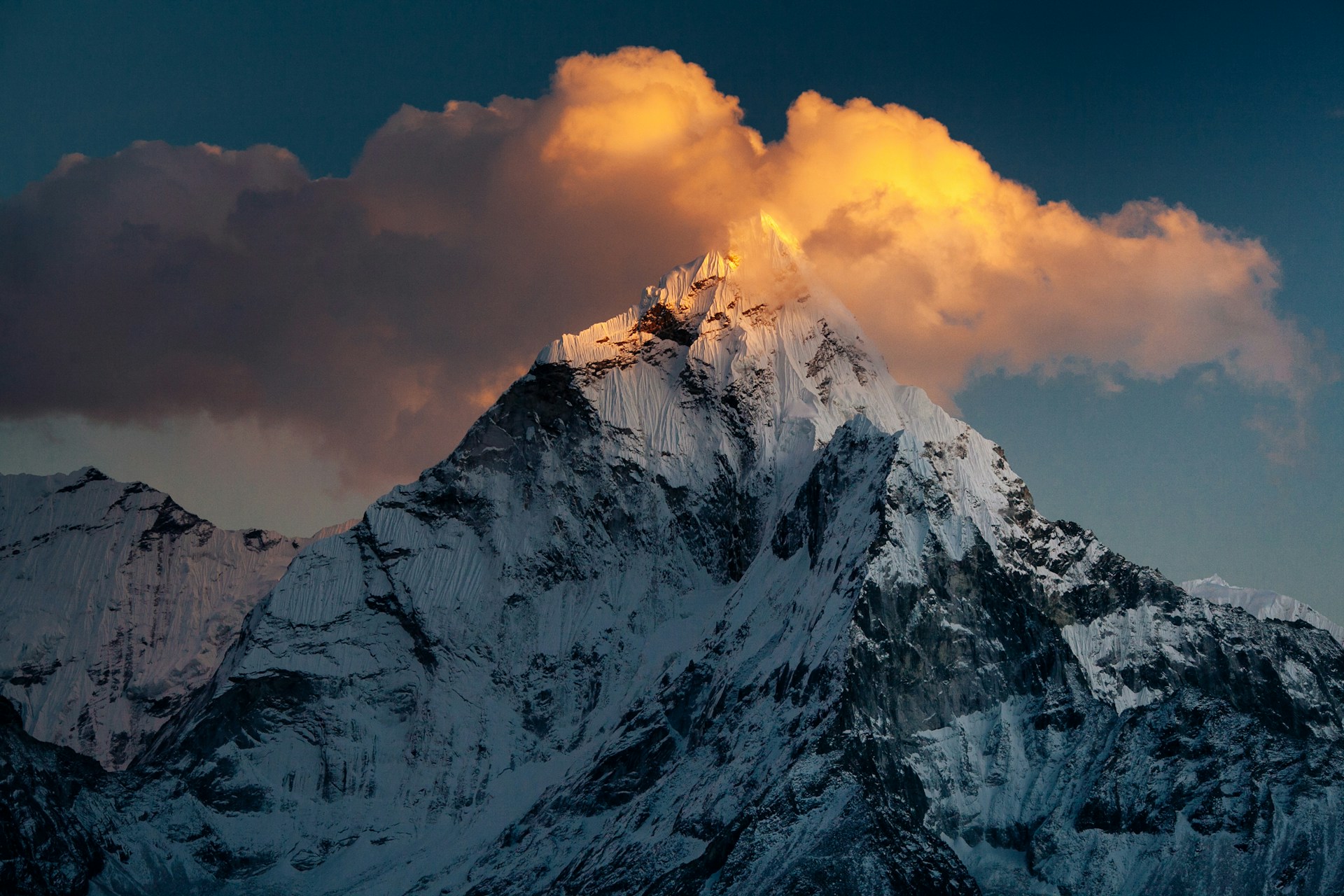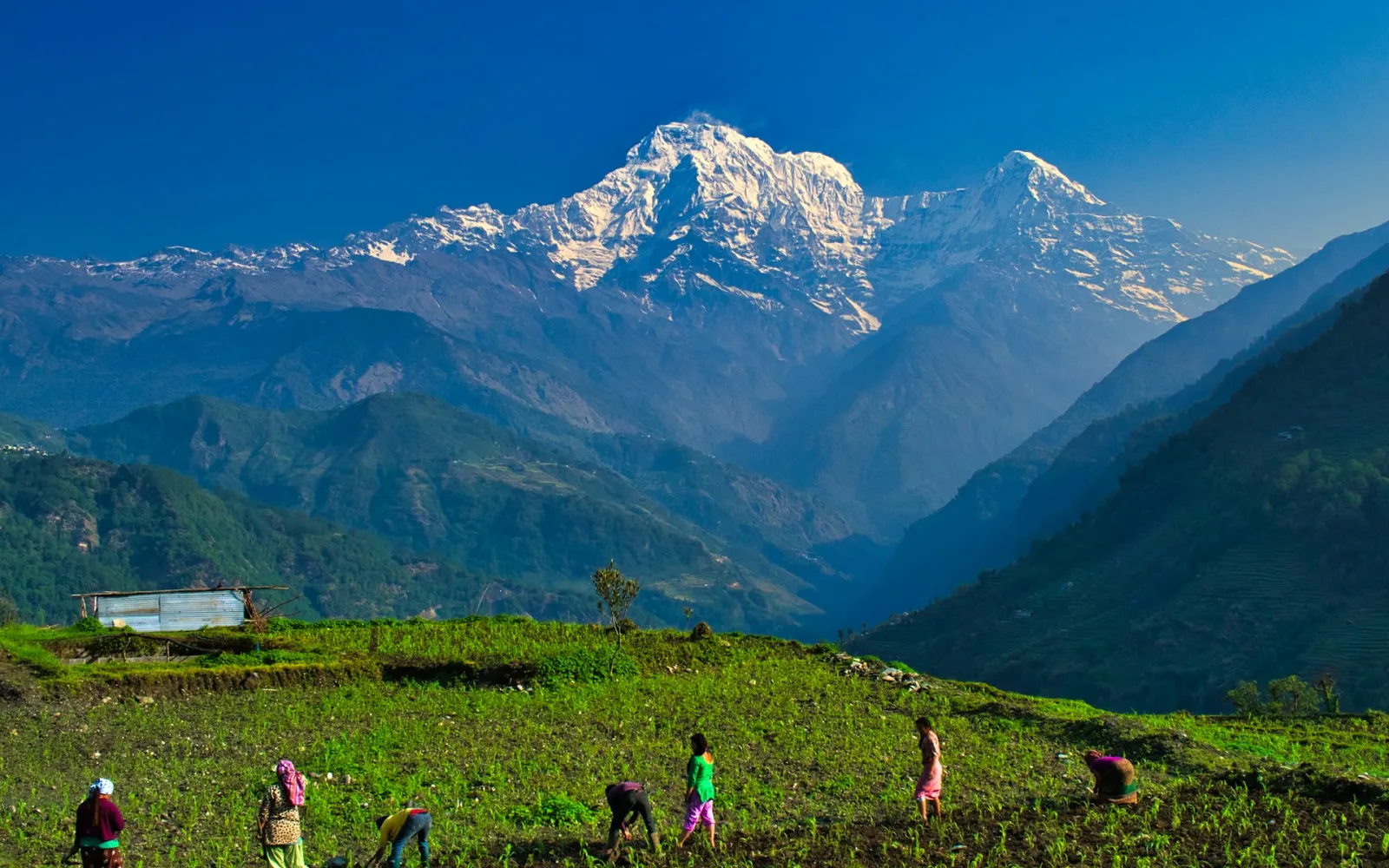
The Annapurna Base Camp Trek operated by Himalayan Mantras is one of Nepal’s most iconic Himalayan journeys, combining cultural immersion with dramatic alpine landscapes. The route gradually ascends from the bustling valleys of Kathmandu and the lakeside charm of Pokhara into the heart of the Annapurna Sanctuary. This natural amphitheater is surrounded by towering peaks such as Annapurna I, Machhapuchhre, and Hiunchuli, culminating at Annapurna Base Camp at 4,130 meters.The 13-day itinerary is designed to balance adventure and acclimatization. Trekkers pass through traditional Gurung villages, rhododendron forests, and river valleys while experiencing authentic Himalayan hospitality. Key stops such as Ghandruk, Chomrong, and Deurali provide gradual altitude gain and cultural depth.Scenic drive from Kathmandu to PokharaCultural village experience in GhandrukHimalayan sanctuary experience at ABCHot springs at Jhinu DandaDiverse terrain: forests, rivers, glaciersBest Season for Annapurna Base Camp TrekThe best seasons for the Annapurna Base Camp Trek with Himalayan Mantras are spring (March–May) and autumn (September–November). During these months, the weather is stable, skies are clear, and mountain views are at their most spectacular. Spring brings blooming rhododendrons across trails between Nayapul and Ghandruk, while autumn offers crisp air and excellent visibility of the Annapurna range.Winter (December–February) is also possible but colder, especially near higher camps like Annapurna Base Camp. Snow may block trails beyond Deurali. Monsoon season (June–August) is least recommended due to heavy rainfall, leeches, and slippery trails, particularly in forested sections near Chomrong and lower villages.Seasonal highlights:Spring: rhododendron forests bloomAutumn: clearest mountain viewsWinter: quiet trails, snow sceneryMonsoon: lush greenery but risky trailsEach season offers a different personality of the Himalayas, and Himalayan Mantras helps tailor the trek depending on your comfort and preference.Annapurna Base Camp Trek Difficulty and TransportationThe Annapurna Base Camp Trek is considered a moderate-level trek, suitable for beginners with good fitness as well as experienced hikers. The daily walking duration ranges from 5 to 7 hours, with gradual altitude gain as trekkers move from Chomrong to higher elevations like Dovan and Deurali before reaching Annapurna Base Camp. The main challenge is altitude and continuous uphill sections rather than technical climbing.Transportation is well-managed by Himalayan Mantras, ensuring smooth transfers throughout the journey. The trip begins with arrival in Kathmandu, followed by a tourist bus or private vehicle ride to Pokhara. From there, a scenic drive reaches Nayapul, the trek starting point. After completing the trek, the return journey follows the same route back to Kathmandu.Difficulty breakdown:Moderate fitness required5–7 hours of trekking dailyGradual altitude gainNo technical climbing skills neededThe weather can affect trail conditionsTransport highlights:Tourist bus Kathmandu–PokharaJeep/taxi Pokhara–NayapulReturn drive after trek completionFood and Accommodation for Annapurna Base Camp TrekAccommodation along the Annapurna Base Camp route is primarily in local teahouses, offering simple but comfortable lodging. Managed through Himalayan Mantras, trekkers stay in twin-sharing rooms with basic bedding facilities. In villages like Ghandruk, Chomrong, and Bamboo, teahouses provide warm hospitality and traditional Nepali service.Food is freshly prepared and includes a mix of Nepali and international dishes. The most common and recommended meal is Dal Bhat (rice, lentils, vegetables), which provides high energy for trekking days. Higher up near Deurali and Annapurna Base Camp, food options become simpler due to remoteness, but are still nutritious and filling.Food and accommodation features:Teahouse lodging throughout the trekTwin-sharing basic roomsHot meals (Dal Bhat, noodles, soups, pasta)Vegetarian options widely availableSafe drinking water available (boiled or filtered)Key comfort notes:Heating limited at higher altitudesCharging facilities available for small feesHot showers in the lower villagesCozy communal dining areasHimalayan Mantras ensures clean, safe, and pre-arranged accommodations throughout the trek.Annapurna Base Camp Trek PermitsTo complete the Annapurna Base Camp Trek, trekkers require official permits regulated under Nepal’s trekking system. Himalayan Mantras handles all documentation in advance to ensure a smooth journey without administrative delays.The two main permits required are the Annapurna Conservation Area Permit (ACAP) and the Trekkers’ Information Management System (TIMS) card. These permits are checked at multiple points, especially around entry routes such as Nayapul and village checkpoints like Chomrong.Permit details:ACAP (Annapurna Conservation Area Permit)TIMS Card (Trekkers’ safety registration)A passport copy is required for processingPassport-size photos neededWhy permits matter:Supports conservation efforts in the Annapurna regionFunds local community developmentEnsures trekker safety trackingRegulates trekking traffic in sensitive zonesHimalayan Mantras includes all permit arrangements in the package cost, ensuring trekkers can focus entirely on the journey from Pokhara to Annapurna Base Camp without logistical concerns.Why Choose Annapurna Base Camp Trek with Himalayan MantrasThe Annapurna Base Camp Trek is not just a hike—it is a full Himalayan experience, and Himalayan Mantras enhances this journey with professional guidance, safety, and personalized service. The route from Kathmandu to Annapurna Base Camp offers a perfect blend of nature, culture, and adventure, making it ideal for both first-time and experienced trekkers.One of the key advantages of choosing Himalayan Mantras is their attention to acclimatization, comfort, and cultural immersion. The itinerary includes important rest points in villages like Ghandruk and Jhinu Danda, where trekkers can enjoy natural hot springs and local hospitality. The experienced guides ensure safety in challenging sections near Deurali and above.Key reasons to choose this trek:Expert local guides and portersFully organized logistics and permitsBalanced itinerary with acclimatizationAuthentic cultural village experienceSafe and reliable support systemAdditional benefits:Small group experienceFlexible itinerary optionsEmergency support and communicationHigh success rate to ABC summitWith Himalayan Mantras, the Annapurna Base Camp Trek becomes more than a destination—it becomes a deeply personal Himalayan journey filled with memories, landscapes, and cultural connections.
The Annapurna Circuit Trek is one of Nepal’s most iconic trekking adventures, offering a complete journey around the Annapurna Massif. This route passes through diverse landscapes—from subtropical forests and terraced fields to alpine meadows and high mountain deserts. The trek follows your itinerary starting from Kathmandu, gradually ascending through Syange, Dharapani, Chame, Pisang, Manang, and crossing the challenging Thorong La Pass before descending to Muktinath and further into the lower Mustang and Pokhara region.Organized by Himalayan Mantras, this trek is carefully designed to balance adventure, acclimatization, and cultural immersion. Trekkers experience Tibetan-influenced villages, ancient monasteries, and dramatic Himalayan scenery while circling Annapurna I (8,091m), one of the world’s highest peaks.Cross the famous Thorong La Pass (5,416m)Explore Manang Valley and Mustang landscapesVisit sacred Muktinath TempleExperience diverse ethnic cultures (Gurung, Thakali, Tibetan-influenced communities)Scenic drive and trekking combinationThis trek is not just a hike but a complete Himalayan expedition combining nature, spirituality, and cultural depth.Best Season for Annapurna Circuit TrekThe best time to complete the Annapurna Circuit Trek is during spring (March to May) and autumn (September to November). These seasons provide stable weather, clear mountain views, and safe trekking conditions. Spring brings blooming rhododendrons and warmer temperatures, while autumn offers crystal-clear skies after the monsoon season.Winter trekking is possible but challenging due to heavy snowfall at Thorong La Pass, while monsoon season (June to August) brings landslides and slippery trails in lower regions. Himalayan Mantras always recommends choosing peak trekking seasons for safety and optimal experience.Season Breakdown:Spring (Mar–May): Best for flowers and mild temperaturesAutumn (Sep–Nov): Best visibility and stable weatherWinter (Dec–Feb): Very cold, high pass may closeMonsoon (Jun–Aug): Wet, landslide risk, limited visibilityChoosing the right season ensures better acclimatization, safer crossing of high passes, and unforgettable Himalayan views.Annapurna Circuit Trek Difficulty and TransportationThe Annapurna Circuit Trek is considered a moderate to challenging trek due to its long duration, high altitude, and varied terrain. The most demanding section is crossing Thorong La Pass (5,416m), where the risk of altitude sickness is significant. Proper acclimatization days, such as in Manang, are essential for safety.Transportation plays a key role in this itinerary. The journey begins with sightseeing in Kathmandu, followed by an 8–10 hour drive to Syange/Jagat. After completing the trek, travelers descend to Tatopani, continue to Ghorepani and Ghandruk, and finally drive from Pokhara back to Kathmandu.Himalayan Mantras ensures well-managed logistics, including experienced guides, private/shared transport, and emergency support if required.Difficulty & Travel Points:Moderate to strenuous trek overallHigh altitude challenge above 4,000mThorong La Pass is physically demandingDaily walking: 5–8 hours averageMix of driving and trekking sectionsProper fitness preparation and pacing are essential for a successful trek.Food and Accommodation for Annapurna Circuit TrekFood and accommodation along the Annapurna Circuit are mainly provided by teahouses, which are simple mountain lodges run by local families. These teahouses offer basic but comfortable lodging with twin-sharing rooms, warm blankets, and shared bathrooms in most areas.Meals include a mix of Nepali and international dishes such as dal bhat (lentils and rice), noodles, pasta, soups, pancakes, and eggs. As altitude increases, food variety becomes more limited due to transportation challenges.Himalayan Mantras ensures trekkers are guided to hygienic and reliable teahouses, prioritizing safety and comfort throughout the journey.Food & Stay Highlights:Teahouse accommodation along the routeTraditional Nepali meals (dal bhat)Basic Western food options availableHot drinks (tea, coffee, soups) widely availableLimited luxury at higher elevationsWhile facilities are basic in remote areas like Yak Kharka or Thorong Phedi, the warm hospitality of local communities makes the experience memorable.Annapurna Circuit Trek PermitsTo complete the Annapurna Circuit Trek, trekkers must obtain two essential permits: the Annapurna Conservation Area Permit (ACAP) and the Trekkers’ Information Management System (TIMS) card. These permits are mandatory for all foreign trekkers and help regulate tourism and support conservation efforts.ACAP ensures environmental protection of the Annapurna region, while TIMS helps track trekkers for safety purposes. Both permits are easily arranged in Kathmandu or Pokhara, and trekking agencies like Himalayan Mantras usually handle the entire process for convenience.Required Permits:Annapurna Conservation Area Permit (ACAP)TIMS Card (Trekkers’ Information Management System)Passport copies and passport-size photos requiredFees vary depending on nationalityHaving the correct permits ensures smooth passage through checkpoints and contributes to sustainable trekking in Nepal’s protected regions.Why Choose Annapurna Circuit TrekThe Annapurna Circuit Trek is one of the most rewarding trekking experiences in the world because it combines natural beauty, cultural diversity, and high-altitude adventure in a single journey. Unlike shorter treks, it offers a full circuit experience around the Annapurna range, making it more immersive and varied.With professional organization by Himalayan Mantras, trekkers benefit from expert guides, safe itinerary planning, and personalized support throughout the journey. From lush valleys to icy mountain passes, every day brings a new landscape and cultural encounter.Why Choose This Trek:Complete Himalayan circuit experienceDiverse landscapes in one itineraryCultural immersion in mountain villagesCross one of the world’s highest passesWell-supported guided trekking experience
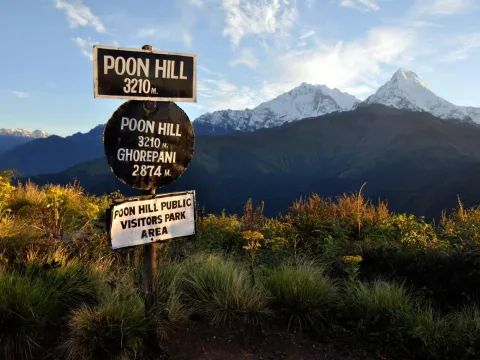
The Ghorepani Poon Hill Trekking, organised by Himalayan Mantras, is one of the most popular short trekking adventures in the Annapurna region of Nepal. This journey beautifully blends natural landscapes, traditional Gurung and Magar villages, and spectacular Himalayan sunrise views. The trek starts from the vibrant capital city Kathmandu and leads travellers through scenic drives and cultural hubs like Pokhara before entering the lush trails of the Annapurna foothills. The highlight of the trek is the sunrise view from Poon Hill, where trekkers witness panoramic views of the Annapurna and Dhaulagiri ranges glowing in golden light.This 8-day itinerary is carefully designed for both beginners and experienced trekkers who want a moderate adventure within a short timeframe. The route passes through charming settlements such as Nayapul, Ulleri, Ghorepani, and Ghandruk, each offering unique cultural experiences and mountain hospitality. The journey is not just about walking; it is about experiencing Nepal’s rural lifestyle, terraced farmlands, rhododendron forests, and the warm welcome of local communities.Scenic drive between Kathmandu and PokharaSunrise view from Poon Hill viewpointTraditional Gurung village experience in GhandrukRhododendron forests and Himalayan biodiversityShort and beginner-friendly trekking routeBest Season for Ghorepani Poon Hill TrekkingThe best time to experience the Ghorepani Poon Hill Trekking with Himalayan Mantras is during spring (March to May) and autumn (September to November). In spring, the trails around Ghorepani and Poon Hill are decorated with blooming rhododendron forests, creating vibrant red, pink, and white landscapes. The weather is generally stable, offering clear views of snow-capped peaks from the Annapurna and Dhaulagiri ranges.Autumn is another highly recommended season due to its crystal-clear skies, mild temperatures, and excellent visibility. After the monsoon, the air becomes fresh and dust-free, allowing trekkers to enjoy uninterrupted Himalayan panoramas. Even the cultural atmosphere in villages like Ghandruk becomes more lively due to harvest season activities and local festivals.Best Season Summary:Spring (March–May): Flowers, greenery, moderate temperatureAutumn (Sept–Nov): Best mountain views, stable weatherWinter (Dec–Feb): Cold but less crowded trailsMonsoon (June–Aug): Slippery trails, limited visibilityGhorepani Poon Hill Trekking Difficulty and TransportationThe Ghorepani Poon Hill Trek is considered a moderate-level trek, suitable for beginners with basic fitness. The trails include both stone staircases and forest paths, especially the steep ascent from Tikhedhunga to Ulleri, which is known for its long stone steps. However, with gradual pacing and proper rest, most trekkers complete it comfortably within 4–5 days of trekking.Transportation plays an important role in this itinerary designed by Himalayan Mantras. The journey begins with a drive from Kathmandu to Pokhara, followed by a shorter drive to Nayapul, the trekking starting point. After completing the trek, travellers return to Pokhara and then back to Kathmandu via scenic highway routes.Difficulty & Transport Points:Moderate trekking difficulty levelStone stair climbs (especially the Ulleri section)Daily walking: 4–7 hours averageJeep/bus drives between major citiesSuitable for beginners with basic fitnessFood and Accommodation for Ghorepani Poon Hill TrekkingDuring the Ghorepani Poon Hill Trekking organised by Himalayan Mantras, accommodation is mainly in local teahouses and mountain lodges. These lodges in places like Ghorepani and Ghandruk provide basic but comfortable rooms with twin beds, warm blankets, and shared bathrooms. The hospitality of local hosts makes the trekking experience warm and culturally enriching.Food along the route is simple, hygienic, and energising. Trekkers can enjoy traditional Nepali meals such as dal bhat (rice, lentils, and vegetables), as well as noodles, soups, pasta, and Tibetan bread. In higher villages near Poon Hill, food options may be limited but still freshly prepared to support trekking energy needs.Food & Accommodation Highlights:Teahouse accommodation throughout the routeHot meals: dal bhat, noodles, soups, pancakesVegetarian and non-vegetarian options availableHot showers available in some lodges (extra cost)Cosy communal dining areas for trekkersGhorepani Poon Hill Trekking PermitsTo undertake the Ghorepani Poon Hill Trek with Himalayan Mantras, trekkers are required to obtain two essential permits. These include the Annapurna Conservation Area Permit (ACAP) and the Trekkers’ Information Management System (TIMS) card. These permits help regulate tourism and ensure safety within the Annapurna region, including areas like Nayapul, Ghorepani, and Ghandruk.These permits are typically arranged in Kathmandu or Pokhara before starting the trek. When booking with Himalayan Mantras, the company assists in handling all necessary documentation, ensuring a hassle-free experience for travellers.Permit Essentials:ACAP (Annapurna Conservation Area Permit)TIMS Card (Trekkers’ Information System)Issued in Kathmandu or PokharaRequired for all foreign trekkersAssistance provided by Himalayan MantrasWhy Choose Ghorepani Poon Hill TrekkingChoosing the Ghorepani Poon Hill Trek with Himalayan Mantras is ideal for travellers seeking a short yet rewarding Himalayan experience. Unlike longer and more demanding treks, this journey offers stunning mountain views, rich cultural encounters, and accessible trails within just a week. The sunrise from Poon Hill remains one of the most unforgettable highlights, attracting trekkers from all over the world.The route through Ghorepani and Ghandruk provides a deep cultural immersion into Gurung traditions, while the scenic landscapes of the Annapurna foothills ensure constant visual delight. With expert guides from Himalayan Mantras, safety, comfort, and meaningful travel experiences are prioritised throughout the journey.Why Choose This Trek:Short duration (7–8 days total trip)Iconic sunrise view from Poon HillRich Gurung and Magar cultural experienceSuitable for beginners and familiesFully organised by Himalayan Mantras for smooth travel