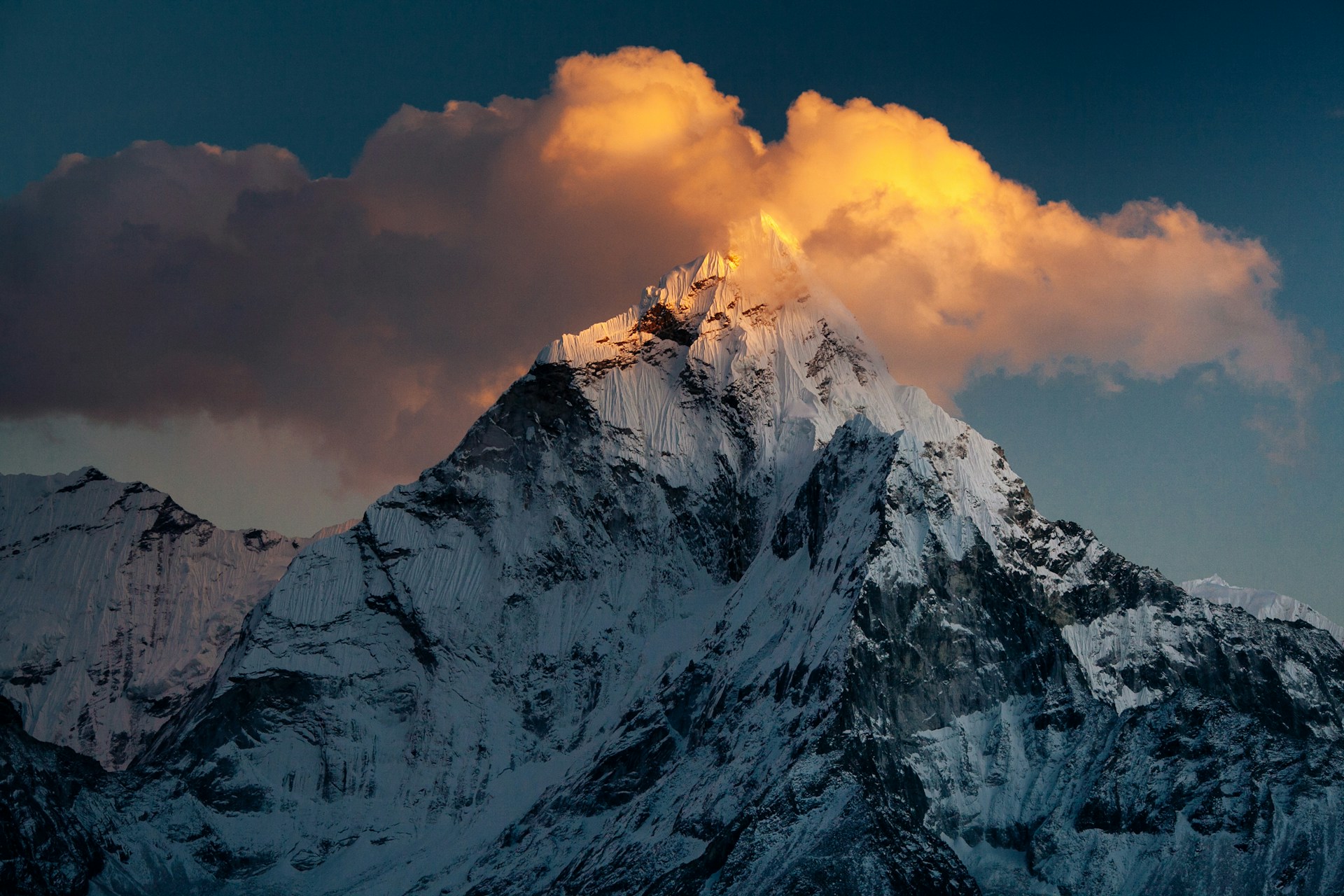
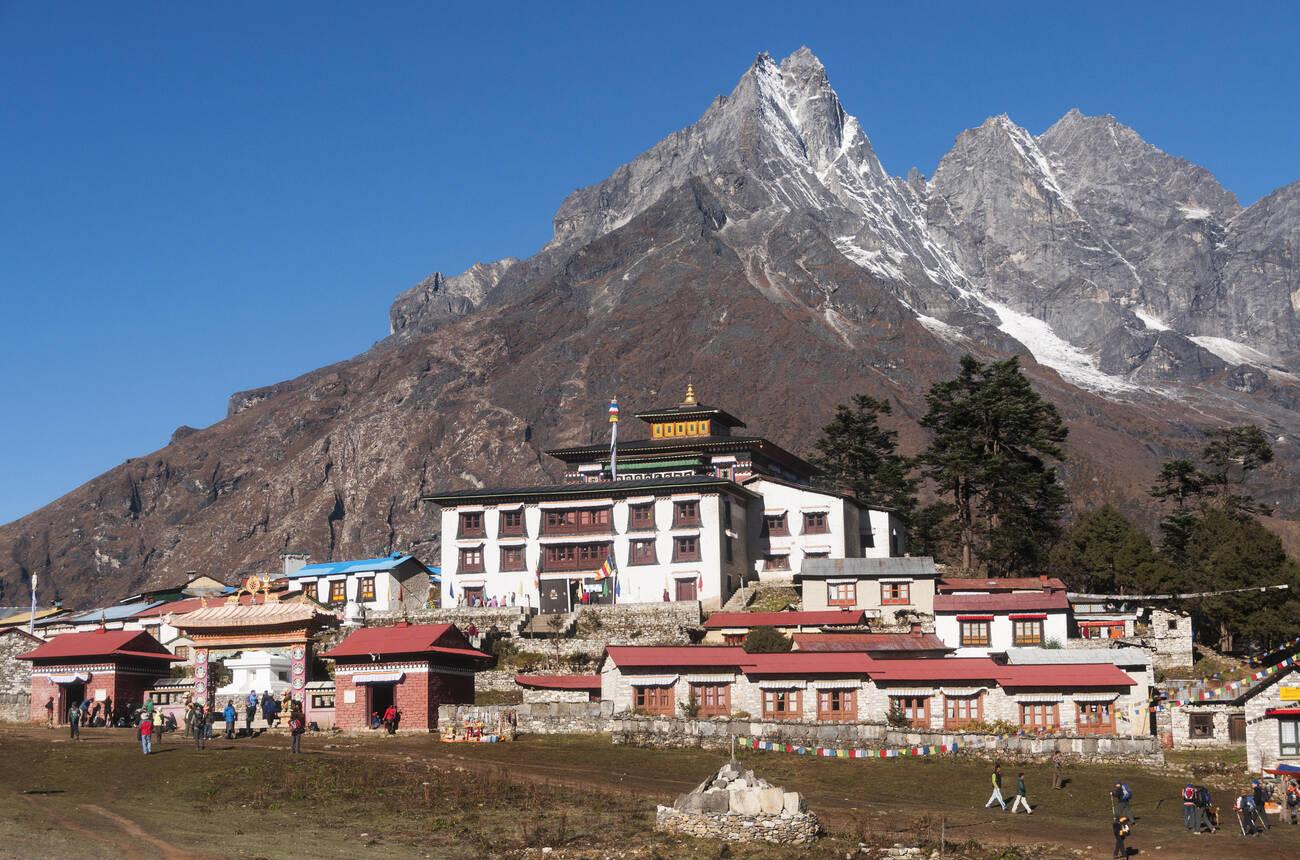
Hotel in Kathmandu and a Tea House / Lodge during the trek
The Everest Panorama Trek is one of the most rewarding short trekking adventures in Nepal, offering breathtaking views of the world's highest peaks without the need to trek to Everest Base Camp. Organized by Himalayan Mantras, this carefully designed itinerary takes travelers through the heart of the Khumbu region, allowing them to experience Sherpa culture, ancient monasteries, and spectacular Himalayan landscapes. The trek begins with a scenic mountain flight to Lukla and follows the famous Everest trail through charming villages such as Phakding, Namche Bazaar, Tengboche, Khumjung, and Monjo.
This trek is ideal for travelers who have limited time but still want to witness the grandeur of Mount Everest, Ama Dablam, Lhotse, Thamserku, and other snow-capped giants. Along the route, trekkers explore traditional Sherpa settlements, visit the renowned Tengboche Monastery, and enjoy stunning panoramic viewpoints. The journey combines natural beauty, cultural immersion, and moderate trekking challenges, making it suitable for families, beginners, and experienced trekkers alike.
Trek Highlights
The Everest Panorama Trek can be enjoyed throughout much of the year, but spring and autumn are widely considered the best trekking seasons. During spring (March to May), the weather is stable, temperatures are comfortable, and colorful rhododendron forests bloom across the hillsides. The skies are generally clear, providing exceptional mountain visibility and ideal photography opportunities.
Autumn (September to November) is another highly recommended season due to its crisp weather, dry trails, and crystal-clear mountain views. The post-monsoon atmosphere creates some of the most spectacular Himalayan panoramas. During this period, trekkers can also experience local festivals and cultural celebrations in the Everest region.
Winter treks are possible for those seeking quieter trails, though temperatures can drop significantly at higher elevations. The monsoon season brings rainfall and occasional flight delays, making it less favorable for trekking.
Recommended Seasons
The Everest Panorama Trek is considered a moderate-level trek, making it suitable for individuals with average fitness levels. Daily walking durations typically range from four to six hours, with gradual ascents and descents through mountain trails. The itinerary includes an acclimatization day in Namche Bazaar, which helps trekkers adjust to higher elevations and minimizes the risk of altitude-related issues.
Unlike more demanding Everest region treks, this route remains below extreme altitudes while still offering incredible Himalayan scenery. Basic physical preparation, such as regular walking, hiking, or cardiovascular exercise before the trip, is sufficient for most participants.
Transportation plays a major role in the adventure. The journey begins with sightseeing in Kathmandu before taking an exciting flight to Lukla, often regarded as one of the world's most scenic mountain flights. After completing the trek, travelers fly back to Kathmandu, where they can relax and explore Nepal's cultural heritage.
Difficulty & Transport Facts
Himalayan Mantras ensures comfortable accommodation and quality meals throughout the Everest Panorama Trek. In Kathmandu, trekkers stay in well-appointed hotels with modern facilities. During the trek, accommodation is provided in traditional teahouses and lodges operated by local families, offering a warm and welcoming environment.
Food options are surprisingly diverse along the trail. Trekkers can enjoy traditional Nepali dishes such as Dal Bhat, as well as international meals including noodles, pasta, fried rice, soups, pancakes, eggs, and baked goods. Freshly prepared meals provide the necessary energy for daily trekking activities.
The teahouses also serve hot beverages such as tea, coffee, and hot chocolate, helping trekkers stay warm in the mountain environment. While accommodation becomes more basic at higher elevations, cleanliness, comfort, and hospitality remain excellent.
Food & Accommodation Features
Several permits are required to enter and trek within the Everest region. Himalayan Mantras arranges all necessary permits and documentation on behalf of trekkers, ensuring a hassle-free experience. These permits support conservation efforts and help maintain trekking infrastructure within the Sagarmatha region.
The primary permits include the Sagarmatha National Park Entry Permit and the Khumbu Pasang Lhamu Rural Municipality Permit. Trekkers should carry valid identification and passport-sized photographs during the permit application process.
Obtaining permits through a professional trekking company ensures compliance with local regulations and allows trekkers to focus entirely on enjoying the journey.
Required Permits
The Everest Panorama Trek is the perfect choice for travelers seeking the beauty of the Everest region without committing to a longer and more strenuous expedition. The route offers a balanced combination of adventure, culture, comfort, and mountain scenery, making it one of Nepal's most popular short treks.
Choosing Himalayan Mantras means traveling with an experienced local team dedicated to safety, personalized service, and authentic cultural experiences. From airport transfers and accommodation to permits, flights, and professional trekking guides, every aspect of the journey is carefully organized to provide a seamless trekking experience.
Whether you are a first-time trekker or a returning visitor to Nepal, the Everest Panorama Trek delivers unforgettable memories of Himalayan landscapes, Sherpa heritage, and world-class trekking trails.
Why Trek with Himalayan Mantras?
Upon your arrival at Tribhuvan International Airport in Kathmandu, a representative from Himalayan Mantras will warmly welcome you and transfer you to your hotel. As you drive through the bustling streets of Nepal’s vibrant capital, you will get your first glimpse of the country's unique blend of ancient culture and modern life. After checking in, you can relax and recover from your journey or explore the nearby markets and cultural sites at your leisure. In the evening, a trek briefing will be conducted by your guide, who will provide detailed information about the upcoming adventure, safety measures, and equipment requirements. Overnight stay at the hotel in Kathmandu.
Today is dedicated to exploring the cultural and historical treasures of Kathmandu Valley. Accompanied by an experienced guide, you will visit several UNESCO World Heritage Sites, including the sacred Pashupatinath Temple, the magnificent Boudhanath Stupa, the historic Kathmandu Durbar Square, and the hilltop Swayambhunath Stupa, also known as the Monkey Temple. These sites offer fascinating insights into Nepal’s rich religious traditions, architecture, and history. Throughout the day, you will witness colorful prayer flags, ancient shrines, and vibrant local life. The sightseeing tour also serves as an excellent opportunity to immerse yourself in Nepalese culture before heading into the mountains. Overnight stay in Kathmandu.
An early morning flight takes you to Lukla, renowned for having one of the world's most thrilling mountain airports. During the scenic flight, breathtaking views of snow-capped Himalayan peaks unfold beneath you. Upon arrival in Lukla, you will meet the trekking crew and begin your journey through the Khumbu region. The trail gently descends through charming Sherpa villages, pine forests, and cultivated farmlands. Along the way, you will cross suspension bridges adorned with colorful prayer flags and enjoy stunning mountain scenery. After several hours of easy trekking alongside the Dudh Koshi River, you will reach the peaceful village of Phakding. Enjoy a relaxing evening at a local teahouse surrounded by beautiful natural landscapes.
Today's trek is one of the most exciting sections of the journey as you enter the heart of the Everest region. Following the Dudh Koshi River, the trail passes through several picturesque villages and crosses numerous suspension bridges, including the famous Hillary Suspension Bridge. After entering Sagarmatha National Park at Monjo, permits are checked before continuing uphill. The trail gradually becomes steeper as you ascend toward Namche Bazaar. Weather permitting, you may catch your first glimpse of Mount Everest along the route. Namche Bazaar, the largest Sherpa settlement in the region, is a bustling mountain town filled with lodges, cafes, bakeries, and trekking shops. The spectacular mountain views and vibrant atmosphere make this a memorable destination.
Proper acclimatization is essential for a safe and enjoyable trekking experience. Rather than resting completely, you will take a scenic hike to higher elevations and return to Namche for the night. Popular destinations include the Everest View Hotel, one of the highest luxury hotels in the world, offering breathtaking panoramas of Everest, Lhotse, Ama Dablam, and other Himalayan giants. You may also visit the Sherpa Culture Museum and learn about the traditions and mountaineering history of the local people. The day provides excellent opportunities for photography, cultural exploration, and gradual adaptation to the increasing altitude. After enjoying spectacular mountain vistas, you will return to Namche Bazaar for a comfortable overnight stay.
Leaving Namche Bazaar behind, the trail contours along the mountainside, offering magnificent views of Everest, Nuptse, Lhotse, and Ama Dablam throughout the day. After descending to the river at Phunki Tenga, you will begin a steady ascent through beautiful rhododendron and pine forests. The destination is Tengboche, home to the most famous monastery in the Everest region. Tengboche Monastery is an important spiritual center for the Sherpa community and provides a serene setting surrounded by towering Himalayan peaks. Upon arrival, you may witness monks performing traditional prayers and rituals. The combination of cultural significance and breathtaking scenery makes Tengboche one of the highlights of the Everest Panorama Trek.
After enjoying the tranquil atmosphere of Tengboche, you will retrace part of the trail before heading toward the traditional Sherpa village of Khumjung. The route passes through forests, mountain ridges, and scenic viewpoints that offer uninterrupted views of the surrounding Himalayan landscape. Khumjung is one of the largest and most culturally significant Sherpa settlements in the Khumbu region. The village is known for its stone houses, peaceful surroundings, and the famous monastery that reportedly houses a Yeti scalp. You may also visit the Hillary School, established by Sir Edmund Hillary to support local education. The day offers a wonderful balance of natural beauty, cultural experiences, and authentic village life.
Today's journey begins with a gradual descent toward Namche Bazaar, where you can enjoy a final look at the bustling mountain town. Continuing downhill, the trail passes through forests and crosses suspension bridges over the Dudh Koshi River. As you descend, the air becomes richer in oxygen and trekking generally feels easier. You will exit the higher alpine environment and return toward the lower valleys of the Khumbu region. Along the route, you can observe local villagers carrying supplies, yaks transporting goods, and traditional Sherpa settlements nestled among the mountains. The day concludes in Monjo, a peaceful village located near the entrance of Sagarmatha National Park.
Your final day of trekking follows the familiar trail back to Lukla. The route winds through picturesque villages, lush forests, and river valleys, providing a final opportunity to appreciate the natural beauty of the Everest region. As you walk, you can reflect on the unforgettable experiences of the past several days, including magnificent mountain vistas, cultural encounters, and personal achievements. Upon reaching Lukla, you will celebrate the successful completion of your Everest Panorama Trek with your guide and trekking crew. The evening is often filled with laughter, stories, and farewell celebrations, creating lasting memories of your Himalayan adventure.
Early in the morning, you will board a scenic flight back to Kathmandu. The short flight offers one last chance to admire the spectacular Himalayan landscape from above. Upon arrival in Kathmandu, you will be transferred to your hotel. The remainder of the day is free for relaxation, shopping, or independent sightseeing. Many trekkers enjoy visiting local markets to purchase souvenirs, handicrafts, and traditional Nepalese products. You may also choose to explore additional cultural sites or simply unwind after your trekking adventure. In the evening, Himalayan Mantras may host a farewell dinner where you can celebrate your successful journey and share experiences with fellow travelers.
After breakfast, your unforgettable Everest Panorama Trek comes to an end. Depending on your flight schedule, a representative from Himalayan Mantras will transfer you to Tribhuvan International Airport for your onward journey. As you leave Nepal, you will carry with you incredible memories of majestic Himalayan scenery, warm Sherpa hospitality, ancient Buddhist culture, and the rewarding experience of trekking in one of the world's most iconic mountain regions. Whether this was your first Himalayan adventure or one of many, the Everest Panorama Trek offers a remarkable introduction to the beauty and spirit of the Everest region.
Your Start Date is the day you land in Nepal, and your End Date is when you fly home.
If the set Everest Panorama Trek group dates don’t suit your schedule, we can offer alternative dates upon request.
The Everest Panorama Trek offered by Himalayan Mantras is a short and scenic trekking experience in the Khumbu region of Nepal, designed for trekkers who want breathtaking views of Mount Everest without going to Everest Base Camp. This trek combines cultural exploration with stunning Himalayan landscapes, passing through famous Sherpa villages such as Namche Bazaar and Khumjung. The highlight of the trek is the panoramic view of Everest, Ama Dablam, Lhotse, and Thamserku from viewpoints like Tengboche Monastery and Everest View Hotel. It is an ideal choice for beginners and those with limited time but still wishing to experience the Everest region.
Himalayan Mantras is a trusted trekking company specializing in personalized and safe Himalayan adventures. Choosing them for the Everest Panorama Trek ensures experienced local guides, well-planned itineraries, and strong safety standards. The company focuses on providing cultural immersion alongside breathtaking mountain experiences, making the journey meaningful and memorable. They handle all logistics, including permits, accommodation, transportation, and meals, allowing trekkers to enjoy a stress-free adventure. Their commitment to responsible tourism and customer satisfaction makes Himalayan Mantras a reliable choice for exploring the Everest region with confidence and comfort.
The Everest Panorama Trek is considered a moderate-level trek, suitable for beginners with a reasonable level of fitness. Although it does not require technical climbing skills, trekkers should be prepared for daily walking of 4 to 6 hours over uneven mountain trails, including uphill and downhill sections. The altitude gradually increases, reaching around 3,800 meters, which requires proper acclimatization. Himalayan Mantras ensures a well-paced itinerary with rest and acclimatization days to reduce altitude-related risks. With mental preparation and basic physical training before the trek, most travelers can successfully complete this trek and enjoy the Himalayan experience.
No prior trekking experience is required for the Everest Panorama Trek, making it an excellent introduction to Himalayan trekking. Himalayan Mantras designs this itinerary to be accessible for beginners while still offering rewarding mountain views and cultural immersion. However, basic physical fitness is important, as trekkers will walk several hours daily over varied terrain. Regular walking, light jogging, or hiking practice before the trip can significantly improve comfort levels. First-time trekkers are fully supported by experienced guides who ensure safety, provide assistance, and help manage pace throughout the journey.
Yes, altitude sickness can be a concern during the Everest Panorama Trek, as the route reaches elevations above 3,500 meters. However, Himalayan Mantras carefully designs the itinerary with gradual ascent and acclimatization days to minimize risks. Trekkers are encouraged to stay hydrated, walk at a steady pace, and avoid overexertion. Guides are trained to recognize early symptoms of altitude sickness and provide immediate support if needed. In rare cases, descent may be necessary for safety. With proper precautions and guidance, most trekkers complete the journey safely and comfortably.
The best time to undertake the Everest Panorama Trek with Himalayan Mantras is during the spring (March to May) and autumn (September to November) seasons. During these months, the weather is generally stable, skies are clear, and mountain visibility is at its best. Spring offers blooming rhododendron forests, while autumn provides crisp air and excellent visibility of the Himalayan peaks. Winter trekking is also possible but can be cold, especially at higher altitudes. The monsoon season (June to August) is less ideal due to rain, slippery trails, and limited mountain views, although fewer crowds are present.
For the Everest Panorama Trek, two main permits are required: the Sagarmatha National Park Entry Permit and the Khumbu Pasang Lhamu Rural Municipality Permit. Himalayan Mantras arranges all necessary trekking permits on behalf of travelers, ensuring a smooth and hassle-free experience. These permits help support conservation efforts and local community development in the Everest region. Trekkers are required to carry valid identification such as a passport for permit processing. The permits are checked at entry points like Monjo, and your guide will assist throughout the process during the trek.
Accommodation during the Everest Panorama Trek is provided in comfortable teahouses and lodges along the route. Himalayan Mantras selects clean and safe accommodations that offer basic facilities such as twin-sharing rooms, meals, and warm hospitality. While luxury amenities are limited in higher-altitude villages, teahouses provide cozy dining areas and traditional Nepalese food. In Kathmandu, trekkers stay in a well-appointed hotel with modern facilities before and after the trek. The lodges along the trekking route are family-run, giving travelers an authentic cultural experience of Sherpa hospitality and mountain lifestyle.
During the Everest Panorama Trek, all meals are typically provided in teahouses along the route. Himalayan Mantras ensures that trekkers receive nutritious and freshly prepared meals to maintain energy levels throughout the journey. The menu usually includes traditional Nepali dishes like dal bhat, as well as international options such as pasta, noodles, rice, soups, and eggs. In Kathmandu, breakfast is included at the hotel. Clean drinking water is available, though trekkers are advised to use purification tablets or bottled water. Meals are simple but filling, designed to support high-energy trekking conditions.
Packing for the Everest Panorama Trek requires careful planning to ensure comfort and safety. Himalayan Mantras recommends layered clothing, including thermal wear, a warm down jacket, waterproof outer layers, and comfortable trekking pants. Good quality trekking boots, gloves, hats, and sunglasses are essential. A small backpack for daily use, water bottles, sunscreen, and personal medication should also be carried. Since weather conditions can change quickly in the Himalayas, layering is important. Essential items like sleeping bags can often be arranged through the company if needed, making preparation easier for travelers.