Hotel in Kathmandu and Pokhara and Lodge / Tea House during trek
The Annapurna Circuit Trek is one of Nepal’s most iconic trekking adventures, offering a complete journey around the Annapurna Massif. This route passes through diverse landscapes—from subtropical forests and terraced fields to alpine meadows and high mountain deserts. The trek follows your itinerary starting from Kathmandu, gradually ascending through Syange, Dharapani, Chame, Pisang, Manang, and crossing the challenging Thorong La Pass before descending to Muktinath and further into the lower Mustang and Pokhara region.
Organized by Himalayan Mantras, this trek is carefully designed to balance adventure, acclimatization, and cultural immersion. Trekkers experience Tibetan-influenced villages, ancient monasteries, and dramatic Himalayan scenery while circling Annapurna I (8,091m), one of the world’s highest peaks.
This trek is not just a hike but a complete Himalayan expedition combining nature, spirituality, and cultural depth.
The best time to complete the Annapurna Circuit Trek is during spring (March to May) and autumn (September to November). These seasons provide stable weather, clear mountain views, and safe trekking conditions. Spring brings blooming rhododendrons and warmer temperatures, while autumn offers crystal-clear skies after the monsoon season.
Winter trekking is possible but challenging due to heavy snowfall at Thorong La Pass, while monsoon season (June to August) brings landslides and slippery trails in lower regions. Himalayan Mantras always recommends choosing peak trekking seasons for safety and optimal experience.
Season Breakdown:
Choosing the right season ensures better acclimatization, safer crossing of high passes, and unforgettable Himalayan views.
The Annapurna Circuit Trek is considered a moderate to challenging trek due to its long duration, high altitude, and varied terrain. The most demanding section is crossing Thorong La Pass (5,416m), where the risk of altitude sickness is significant. Proper acclimatization days, such as in Manang, are essential for safety.
Transportation plays a key role in this itinerary. The journey begins with sightseeing in Kathmandu, followed by an 8–10 hour drive to Syange/Jagat. After completing the trek, travelers descend to Tatopani, continue to Ghorepani and Ghandruk, and finally drive from Pokhara back to Kathmandu.
Himalayan Mantras ensures well-managed logistics, including experienced guides, private/shared transport, and emergency support if required.
Difficulty & Travel Points:
Proper fitness preparation and pacing are essential for a successful trek.
Food and accommodation along the Annapurna Circuit are mainly provided by teahouses, which are simple mountain lodges run by local families. These teahouses offer basic but comfortable lodging with twin-sharing rooms, warm blankets, and shared bathrooms in most areas.
Meals include a mix of Nepali and international dishes such as dal bhat (lentils and rice), noodles, pasta, soups, pancakes, and eggs. As altitude increases, food variety becomes more limited due to transportation challenges.
Himalayan Mantras ensures trekkers are guided to hygienic and reliable teahouses, prioritizing safety and comfort throughout the journey.
Food & Stay Highlights:
While facilities are basic in remote areas like Yak Kharka or Thorong Phedi, the warm hospitality of local communities makes the experience memorable.
To complete the Annapurna Circuit Trek, trekkers must obtain two essential permits: the Annapurna Conservation Area Permit (ACAP) and the Trekkers’ Information Management System (TIMS) card. These permits are mandatory for all foreign trekkers and help regulate tourism and support conservation efforts.
ACAP ensures environmental protection of the Annapurna region, while TIMS helps track trekkers for safety purposes. Both permits are easily arranged in Kathmandu or Pokhara, and trekking agencies like Himalayan Mantras usually handle the entire process for convenience.
Required Permits:
Having the correct permits ensures smooth passage through checkpoints and contributes to sustainable trekking in Nepal’s protected regions.
The Annapurna Circuit Trek is one of the most rewarding trekking experiences in the world because it combines natural beauty, cultural diversity, and high-altitude adventure in a single journey. Unlike shorter treks, it offers a full circuit experience around the Annapurna range, making it more immersive and varied.
With professional organization by Himalayan Mantras, trekkers benefit from expert guides, safe itinerary planning, and personalized support throughout the journey. From lush valleys to icy mountain passes, every day brings a new landscape and cultural encounter.
Why Choose This Trek:
Upon arrival at Kathmandu, you will be warmly welcomed by a representative from Himalayan Mantras and transferred to your hotel in the bustling capital city. The rest of the day is reserved for relaxation after your journey, allowing you to adjust to the new environment and recover from travel fatigue. In the evening, a short briefing session will be conducted covering trek overview, safety guidelines, and essential preparations for the Annapurna Circuit Trek. You may also explore nearby streets, markets, or cafes depending on your energy level.
Today is dedicated to exploring the cultural richness of Kathmandu, a UNESCO heritage hub filled with ancient temples, stupas, and vibrant local life. Guided visits may include historic sites, traditional courtyards, and spiritual landmarks that reflect Nepal’s deep cultural identity. Meanwhile, Himalayan Mantras ensures all trekking permits, gear checks, and logistical arrangements are finalized. You will also meet your guide and fellow trekkers for a detailed discussion about the route, altitude challenges, and safety protocols. The day balances cultural immersion with practical preparation for the journey ahead.
An early morning drive marks the beginning of the trekking adventure as you leave Kathmandu behind and head toward the Himalayan foothills. The road winds through scenic valleys, rivers, terraced fields, and small roadside settlements. You eventually reach Syange or Jagat, both gateways to the Annapurna region. Upon arrival, you will settle into a local teahouse, enjoying your first night in the mountains. The transition from urban surroundings to natural landscapes becomes more evident, building excitement for the trekking days ahead.
The trekking officially begins today as you follow trails alongside rivers, waterfalls, and stone-paved paths. Crossing suspension bridges and passing through lush forests, the route gradually ascends toward Dharapani, a charming village in the Manang district. The environment shifts noticeably from subtropical greenery to cooler alpine conditions. Himalayan Mantras ensures a steady pace, allowing proper acclimatization while enjoying Himalayan scenery. Upon arrival, you will rest in a teahouse, interact with local communities, and experience the warm hospitality of mountain life.
Today’s trek continues deeper into the Annapurna region, following forested trails filled with pine and fir trees. You gradually gain elevation as the landscape becomes more dramatic with views of snow-capped peaks emerging in the distance. The route leads you to Chame, the administrative center of the Manang district. Along the way, you may encounter Buddhist prayer wheels, monasteries, and hot springs. Himalayan Mantras guides maintain a comfortable pace, ensuring proper hydration and rest stops. The evening in Chame offers a peaceful mountain atmosphere under crisp alpine air.
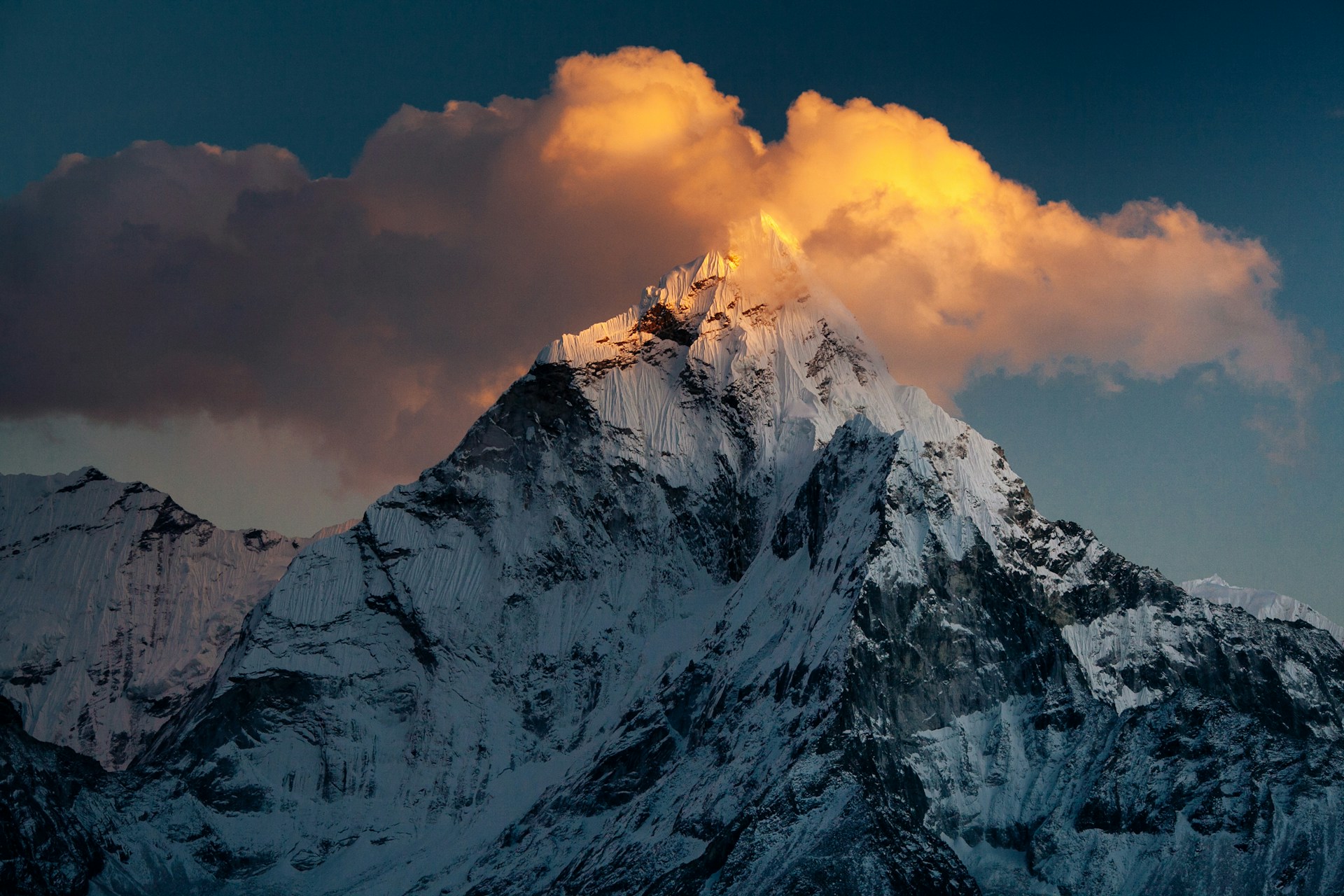
The trail today follows dramatic river valleys with steep cliffs and dense pine forests. As you ascend further, panoramic views of Annapurna II and surrounding peaks become increasingly visible. You arrive at Pisang, a scenic village divided into Upper and Lower settlements. The Himalayan Mantras team ensures proper acclimatization, as altitude begins to play a more significant role. The evening is spent exploring local monasteries or relaxing while enjoying Himalayan sunset views that illuminate the snow-covered peaks in golden light.
This is one of the most visually rewarding days of the trek, offering stunning views of the Annapurna range. The trail passes through high-altitude landscapes, traditional villages, and Buddhist heritage sites. You reach Manang, a culturally rich Himalayan settlement surrounded by dramatic peaks. Himalayan Mantras carefully manages the pace to reduce altitude strain while maximizing scenic enjoyment. Upon arrival, you will settle into a teahouse and begin preparing for acclimatization days ahead.
Today is an essential acclimatization day in Manang. Short hikes to nearby viewpoints or monasteries are recommended to help the body adapt to higher altitude. Optional visits include Gangapurna Lake or surrounding ridges for panoramic mountain views. Himalayan Mantras guides provide valuable briefings on altitude sickness prevention and upcoming trail conditions. This rest day is crucial for ensuring safety and strength for the challenging ascent ahead toward Thorong La Pass.
The trail gradually ascends through alpine meadows and sparse vegetation as you move toward Yak Kharka. The air becomes thinner, and the landscape more rugged, with increasing views of snow-covered peaks. Himalayan Mantras maintains a slow and steady pace to support acclimatization. You may spot grazing yaks along the route, adding to the authentic Himalayan experience. The evening is spent resting in a quiet teahouse surrounded by vast mountain silence.
Today’s short but important trek leads you closer to the high mountain pass. The path becomes steeper and more challenging as you approach Thorong Phedi, the base camp for Thorong La Pass. Himalayan Mantras ensures careful monitoring of trekkers for altitude response and fatigue. The environment is stark and dramatic, with rocky terrain and limited vegetation. Early rest is recommended to prepare for the demanding pass crossing the next day.
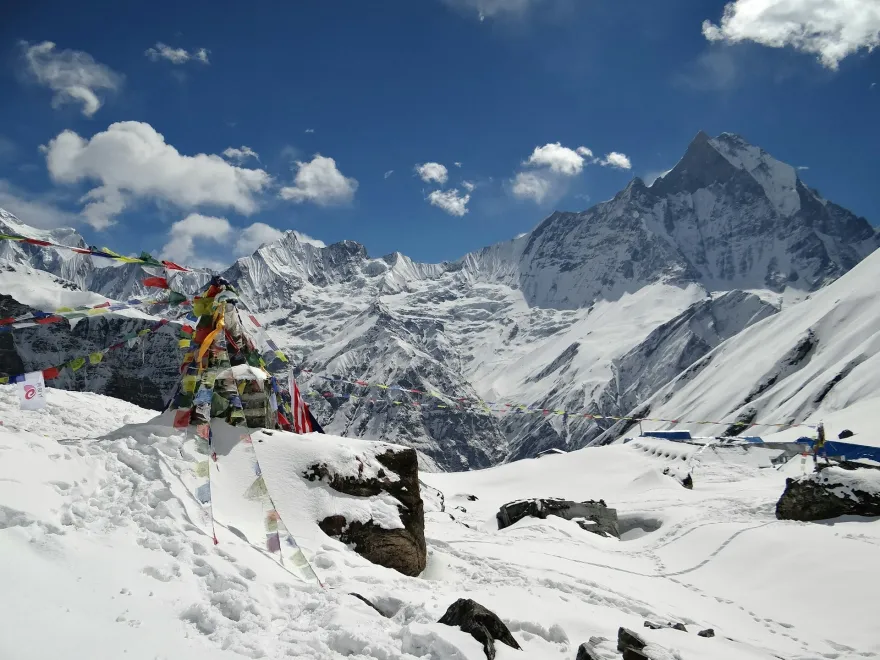
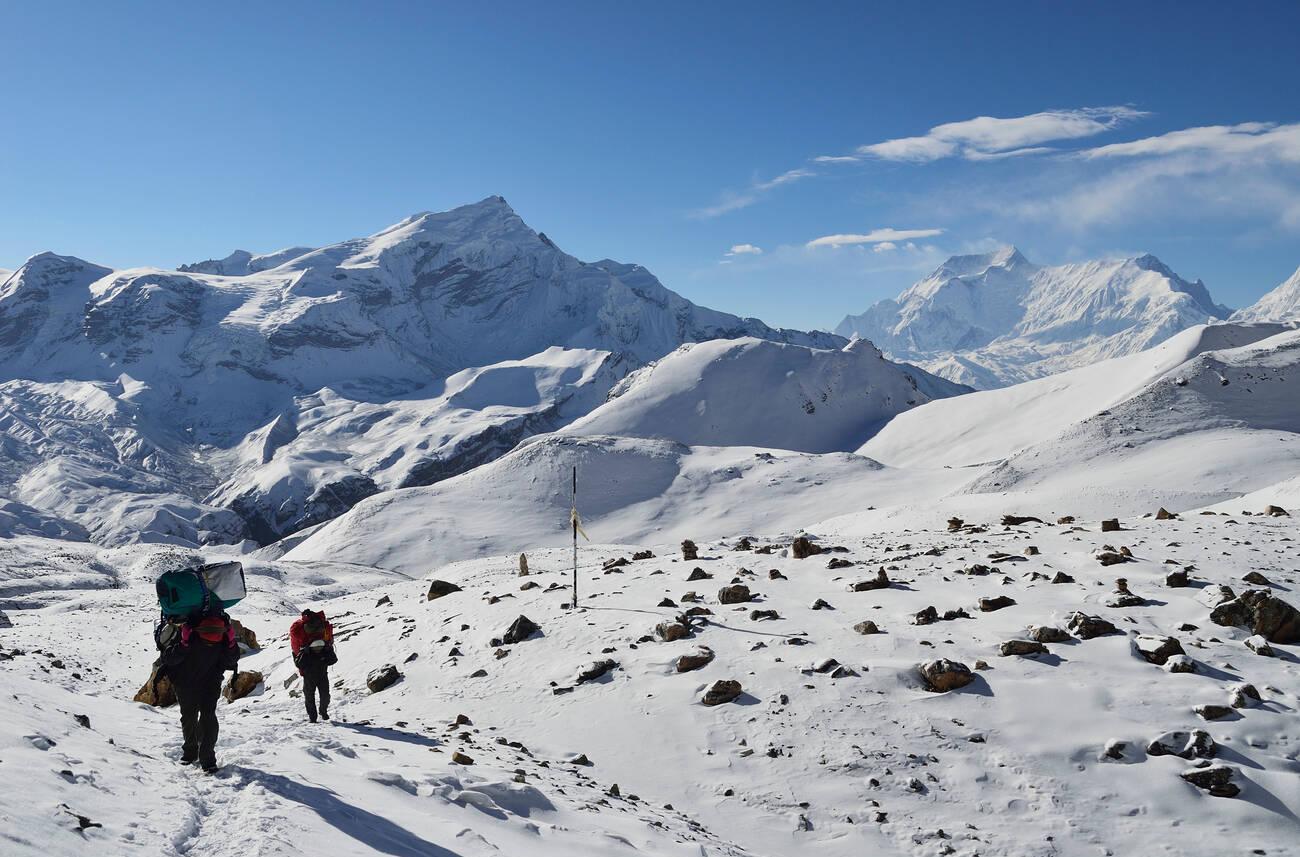
This is the most challenging yet rewarding day of the trek as you cross Thorong La Pass before descending toward Muktinath. The ascent is steep and physically demanding, but the panoramic views from the pass are breathtaking. After reaching the top, a long descent follows into the sacred valley. Himalayan Mantras provides full support throughout this demanding section. Muktinath offers spiritual significance with its famous temple and serene mountain atmosphere.
A scenic off-road drive takes you from high Himalayan terrain to warmer valleys as you reach Tatopani, famous for its natural hot springs. The dramatic change in altitude brings a noticeable shift in climate and vegetation. Himalayan Mantras arranges comfortable transport and ensures smooth transition after the strenuous pass crossing. In the evening, you may relax in the hot springs, easing trekking fatigue.
The trail ascends steeply through terraced fields, villages, and rhododendron forests toward Ghorepani. This section is physically demanding but highly scenic. Himalayan Mantras guides ensure steady pacing and rest breaks. The region is known for its vibrant natural beauty and panoramic mountain viewpoints, offering a refreshing change after the deep valleys.
Today’s trek passes through lush forests filled with rhododendron and oak trees as you head toward Tadapani. The trail offers occasional mountain glimpses and peaceful forest walking. Himalayan Mantras ensures a relaxed pace, allowing trekkers to enjoy nature and recover from previous days’ effort. The atmosphere is serene and ideal for reflection.
The final trekking day descends through traditional villages and terraced landscapes toward Ghandruk and onward to Nayapul. From there, a short drive takes you to Pokhara, a beautiful lakeside city. Himalayan Mantras organizes transportation and ensures a smooth transition from trekking to relaxation. The evening can be enjoyed at Lakeside Pokhara.
You travel back to Kathmandu by scenic highway, retracing rivers, hills, and rural landscapes. Himalayan Mantras manages transport and ensures comfort throughout the journey. Upon arrival, you check into your hotel and enjoy a farewell evening in the capital, reflecting on the incredible Annapurna Circuit adventure.
After breakfast, a representative from Himalayan Mantras transfers you to the airport for your departure from Kathmandu. This marks the conclusion of your Annapurna Circuit Trek. You leave Nepal with unforgettable memories of mountains, culture, and adventure, along with a deep connection to the Himalayas experienced through a carefully guided journey by Himalayan Mantras.
Your Start Date is the day you land in Nepal, and your End Date is when you fly home.
If the set Annapurna Circuit Trek group dates don’t suit your schedule, we can offer alternative dates upon request.
The Annapurna Circuit Trek is one of Nepal’s most iconic long-distance trekking routes, circling the Annapurna massif and crossing the high Thorong La Pass. It offers an incredible variety of landscapes, from subtropical forests to high alpine deserts, along with rich cultural experiences in Gurung, Thakali, and Tibetan-influenced villages. With Himalayan Mantras, the trek is organized in a structured and safe manner, ensuring proper acclimatization, experienced guides, and full logistical support throughout the journey.
The standard Annapurna Circuit Trek usually takes around 15 to 18 days depending on the itinerary and side trips. The duration includes acclimatization days, trekking hours, and travel time to and from the trailhead. Himalayan Mantras designs flexible itineraries that can be adjusted based on fitness levels and preferences, ensuring a balanced experience that combines adventure, safety, and cultural exploration across the Himalayan region.
Internet and mobile connectivity are available in most lower and mid-altitude villages along the Annapurna Circuit Trek, but the connection may be slow or unreliable in higher regions. Some teahouses offer Wi-Fi for a small fee, though performance varies. Himalayan Mantras advises trekkers to remain flexible and enjoy the digital break while in the mountains. Local SIM cards can also provide limited coverage in certain areas along the route.
Trekking with Himalayan Mantras offers a well-organized, safe, and culturally immersive experience in the Annapurna region. The company focuses on responsible tourism, experienced guides, personalized support, and detailed planning for every trekker. From airport pickup to final departure, every aspect is handled professionally. Himalayan Mantras ensures that trekkers not only reach their destination but also deeply experience the culture, landscapes, and spirit of the Himalayas in a meaningful and memorable way.
The Annapurna Circuit Trek is considered moderate to challenging depending on fitness level and acclimatization. The main difficulty comes from long walking hours and high altitude, especially the crossing of Thorong La Pass at 5,416 meters. Himalayan Mantras ensures trekkers are well-prepared with gradual ascent schedules, rest days, and professional guidance. With proper preparation, even first-time high-altitude trekkers can complete the journey successfully and safely under expert supervision.
Physical preparation is essential for the Annapurna Circuit Trek due to long walking days and high altitude. Regular cardio exercises such as hiking, running, cycling, and stair climbing are highly recommended before the trek. Strength training for legs and core also helps improve endurance. Himalayan Mantras provides pre-trek guidance and fitness recommendations to ensure trekkers are physically ready for the demands of the Himalayan terrain and altitude challenges.
Yes, altitude sickness is a serious consideration on the Annapurna Circuit Trek, especially when crossing Thorong La Pass. Symptoms may include headache, nausea, or dizziness. Proper acclimatization, hydration, and a gradual ascent are crucial for prevention. Himalayan Mantras prioritizes safety by including rest days, monitoring health conditions, and training guides to recognize early symptoms. Emergency protocols are also in place to ensure trekkers’ well-being at all times.
The best seasons for the Annapurna Circuit Trek are spring (March to May) and autumn (September to November). During these periods, the weather is generally stable, skies are clear, and mountain views are at their best. Spring offers blooming rhododendrons, while autumn provides crisp air and excellent visibility. Himalayan Mantras recommends avoiding the monsoon season due to landslides and winter due to heavy snowfall at high passes, which may affect accessibility.
While independent trekking is possible in some parts of Nepal, hiring a guide is highly recommended for safety and convenience, especially in high-altitude regions. With Himalayan Mantras, experienced licensed guides ensure proper navigation, cultural interpretation, and altitude management. Guides also assist in emergencies and provide valuable insight into local traditions and landscapes, making the trek more meaningful, secure, and well-organized throughout the journey.
To complete the Annapurna Circuit Trek, trekkers need the Annapurna Conservation Area Permit (ACAP) and a TIMS card. These permits help regulate tourism and support conservation efforts in the region. Himalayan Mantras handles all necessary paperwork and permit arrangements on behalf of trekkers, ensuring a smooth and hassle-free experience. This allows travelers to focus entirely on enjoying the trek without worrying about administrative procedures.
Accommodation during the Annapurna Circuit Trek mainly consists of teahouses or mountain lodges run by local families. These provide basic but comfortable facilities such as beds, blankets, and meals. As altitude increases, amenities become simpler but still adequate for resting. Himalayan Mantras carefully selects clean and reliable teahouses to ensure trekkers have a safe and comfortable stay while experiencing authentic Himalayan hospitality along the route.
Packing for the trek should include layered clothing, a warm jacket, trekking boots, gloves, thermal wear, and a good-quality backpack. Other essentials include sunscreen, water purification tablets, a first-aid kit, and personal hygiene items. Himalayan Mantras provides a detailed packing checklist before departure to ensure trekkers are fully prepared. Proper packing is essential for comfort and safety due to changing weather conditions and altitude variations along the route.