Nepal is home to some of the most remarkable cultural and natural heritage locations in the world, recognized by UNESCO for their outstanding universal value. These sites reflect a unique blend of ancient civilizations, spiritual traditions, architectural brilliance, and breathtaking natural landscapes. From sacred Buddhist birthplaces to medieval city squares and Himalayan national parks, Nepal offers an extraordinary journey through history and nature.
For travelers exploring with Himalayan Mantras, these UNESCO destinations are not just sightseeing spots but immersive cultural experiences. Each site tells a story of devotion, resilience, and harmony between humans and nature, making Nepal one of the most enriching heritage travel destinations in Asia.
Key highlights include:
Introduction: Why Nepal Is a UNESCO Treasure Trove
Nepal stands as a UNESCO treasure trove because it preserves centuries-old traditions alongside untouched natural beauty. The country’s geographical diversity—from the world’s highest peaks to lowland jungles—has helped protect rare ecosystems and ancient civilizations. This combination makes Nepal unique among global heritage destinations.
Many of Nepal’s UNESCO sites are still active centers of worship and community life. Pilgrims, monks, and residents continue to maintain rituals that have been practiced for hundreds or even thousands of years. With guidance from Himalayan Mantras, travelers can experience these sacred places in a meaningful and respectful way, gaining deeper insight into Nepal’s spiritual identity.
Key reasons Nepal stands out:
Nepal has a total of several UNESCO World Heritage Sites, broadly divided into cultural and natural categories. The cultural sites are mainly concentrated in the Kathmandu Valley and Lumbini, while the natural sites include iconic national parks known for wildlife and Himalayan landscapes. Together, they represent Nepal’s identity as a bridge between nature and spirituality.
Travelers with Himalayan Mantras often explore these sites through curated heritage routes that combine history, architecture, and nature. Each destination offers a different perspective, whether it is the peaceful birthplace of Buddha or the wild beauty of the Himalayan conservation areas.
Major UNESCO sites in Nepal include:
Short highlights:
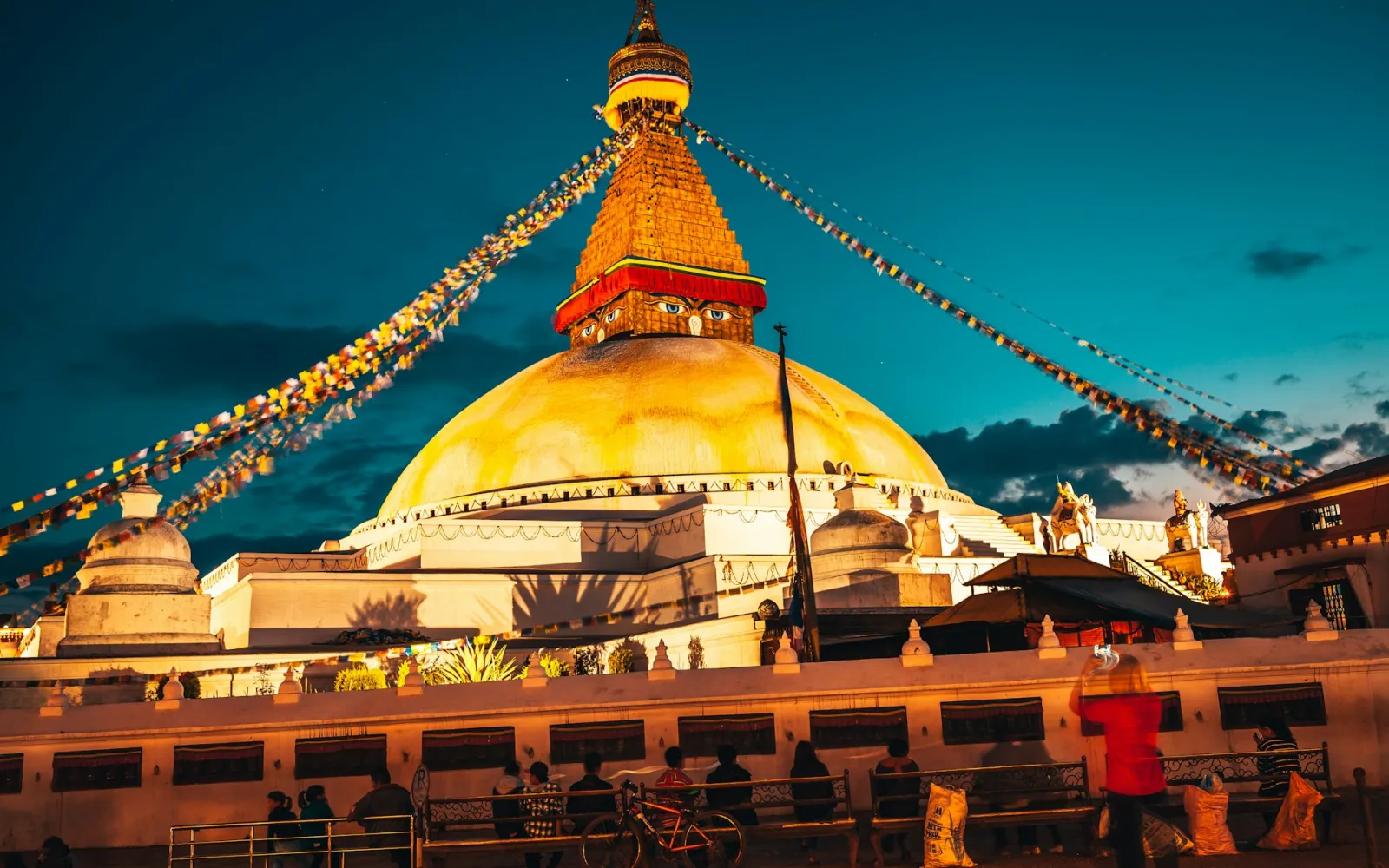
The Kathmandu Valley is often described as an open-air museum where centuries of art, architecture, and culture come alive in everyday life. This valley preserves the legacy of ancient kingdoms, intricate wood carvings, and vibrant traditions that continue to thrive in modern Nepal. Walking through its historic towns feels like stepping into a living history book shaped by devotion and craftsmanship.
For travelers with Himalayan Mantras, the Kathmandu Valley offers an immersive cultural experience that blends spirituality and artistry. Every street, courtyard, and temple reflects centuries of heritage influenced by both Hindu and Buddhist traditions. Festivals, rituals, and daily worship practices make the valley a living cultural ecosystem.
Key highlights:
Durbar Squares: Where Royal History Comes Alive
The Durbar Squares of Kathmandu Valley—Kathmandu, Patan, and Bhaktapur—represent the royal heart of Nepal’s medieval history. These squares once served as palace complexes for Malla and Shah kings and are now UNESCO-protected cultural landmarks filled with temples, courtyards, and artistic masterpieces.
With Himalayan Mantras, visitors explore these squares as open-air museums of royal heritage. Each square reveals unique architectural brilliance—from intricately carved wooden windows to towering pagoda temples—showcasing Nepal’s golden age of craftsmanship and devotion.
Kathmandu Durbar Square (Basantapur)
Located in central Kathmandu, this complex includes royal palaces and major temples. Key landmarks include:
Patan Durbar Square (Lalitpur)
Famous for fine metalwork and artistic heritage:
Bhaktapur Durbar Square (Khwopa)
A preserved medieval city atmosphere:
Key highlights:
Sacred Temples and Stupas You Can’t Miss
Kathmandu Valley is home to some of the most sacred temples and stupas in South Asia, attracting pilgrims and spiritual seekers from around the world. These sites reflect the deep coexistence of Hinduism and Buddhism, creating a unique spiritual landscape where devotion is part of daily life.
With Himalayan Mantras, visitors gain a deeper cultural understanding while exploring these sacred landmarks. Each site is not only architecturally significant but also spiritually active, with rituals, prayers, and ceremonies performed every day.
Major Buddhist Stupas
Major Hindu Temples
Key highlights:
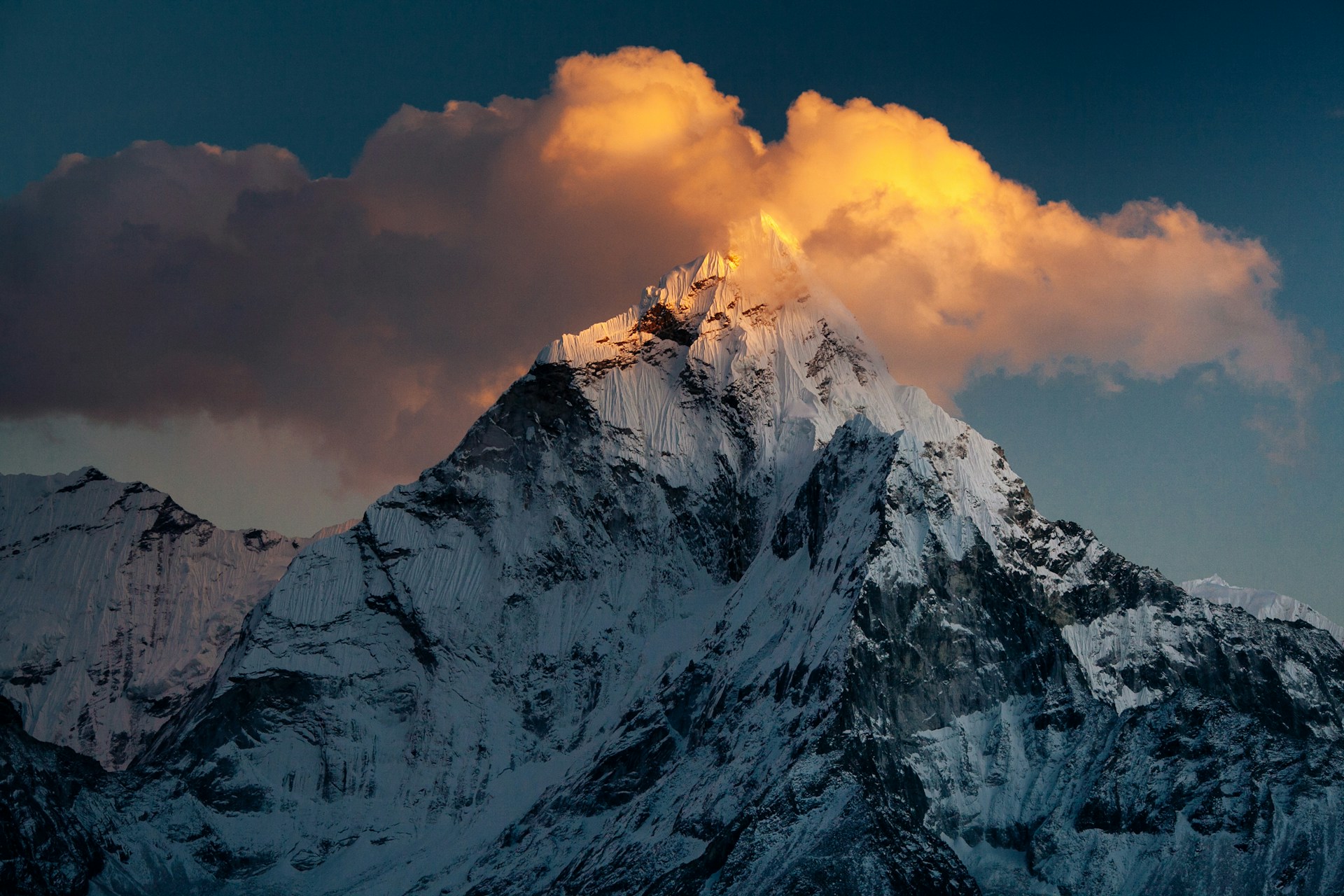
The Sagarmatha National Park is a breathtaking UNESCO World Heritage Site that includes dramatic Himalayan landscapes and the world’s tallest mountain. It is a region of extreme natural beauty where glaciers, valleys, and towering peaks create a truly unforgettable environment. The park is also home to rare wildlife adapted to high-altitude conditions.
Traveling here with Himalayan Mantras offers a once-in-a-lifetime experience of the Himalayas. Visitors can witness the grandeur of the mountains while learning about the delicate ecosystem that sustains life at extreme altitudes.
Key highlights:
Mount Everest and Himalayan Landscapes
The legendary Mount Everest dominates the landscape of Sagarmatha National Park, standing as the highest point on Earth. Its towering presence has inspired explorers, climbers, and travelers for generations. The surrounding Himalayan landscape features dramatic ridges, icy glaciers, and deep valleys that create one of the most stunning natural environments on the planet.
With Himalayan Mantras, visitors can explore viewpoints, trekking routes, and cultural villages that offer panoramic views of Everest and its surrounding peaks. The experience is both adventurous and deeply humbling.
Key highlights:
Sherpa Culture and Mountain Life
The Sherpa communities living in the Everest region are known for their resilience, hospitality, and deep connection to the mountains. Their culture is shaped by Tibetan Buddhism and a lifestyle adapted to high-altitude living. Monasteries, prayer flags, and traditional villages add spiritual richness to the Himalayan landscape.
Through Himalayan Mantras, travelers can engage respectfully with Sherpa culture, learning about their traditions, mountaineering heritage, and daily life. This cultural interaction adds depth to the natural beauty of the Everest region.
Key highlights:
Lumbini is one of the most sacred spiritual destinations in the world, recognized as the birthplace of Lord Buddha. This UNESCO World Heritage Site holds immense importance for Buddhists and peace seekers globally. The serene environment, ancient ruins, and sacred monuments create a deeply spiritual atmosphere that reflects the origins of Buddhism.
For travelers with Himalayan Mantras, Lumbini offers a meaningful journey into peace, mindfulness, and spiritual reflection. It is not just a historical site but a living pilgrimage center where monks, devotees, and visitors from different countries come together in harmony.
Key highlights:
Sacred Garden and Maya Devi Temple
The Sacred Garden of Lumbini is the heart of this holy site, believed to be where Queen Maya Devi gave birth to Siddhartha Gautama. The peaceful garden is filled with ancient ruins, prayer flags, and sacred ponds that reflect centuries of devotion and reverence. It is a place where history and spirituality merge beautifully.
The Maya Devi Temple stands at the exact birthplace of Buddha and is one of the most important pilgrimage sites in Buddhism. With Himalayan Mantras, visitors can experience the temple’s spiritual energy while learning about its archaeological and religious significance.
Key highlights:
Monastic Zones: A Global Buddhist Pilgrimage Hub
Lumbini’s monastic zones are divided into East and West areas, each representing different Buddhist traditions from around the world. Countries like Thailand, Japan, China, and Germany have built monasteries showcasing their unique architectural styles and spiritual practices. This creates a global Buddhist village within Nepal.
With Himalayan Mantras, travelers can explore these diverse monasteries and experience the unity of Buddhist cultures. The peaceful environment encourages meditation, learning, and cultural exchange among visitors from all over the world.
Key highlights:
The Chitwan National Park is Nepal’s most famous wildlife sanctuary and a UNESCO World Heritage Site known for its rich biodiversity. Located in the lowland Terai region, the park offers dense jungles, grasslands, and river ecosystems that support a wide variety of wildlife species.
Traveling with Himalayan Mantras, visitors can enjoy thrilling jungle experiences while learning about conservation efforts. The park is ideal for nature lovers, photographers, and adventure seekers looking to explore Nepal’s wild side.
Key highlights:
One-Horned Rhino and Bengal Tiger Habitat
Chitwan National Park is globally recognized for being home to the endangered one-horned rhinoceros and the elusive Bengal tiger. These iconic species attract wildlife enthusiasts from around the world. The park also supports elephants, deer, crocodiles, and hundreds of bird species.
With Himalayan Mantras, guided safaris increase the chances of spotting rare wildlife while ensuring responsible and eco-friendly tourism. The experience highlights Nepal’s successful conservation efforts.
Key highlights:
Jungle Safari, Canoeing, and Tharu Culture
Chitwan offers exciting jungle safaris by jeep or elephant, allowing visitors to explore deep into the wilderness. Canoeing along the Rapti River provides a peaceful way to observe crocodiles and river birds in their natural habitat. These activities make Chitwan a perfect blend of adventure and nature.
The indigenous Tharu community adds cultural richness to the region with their unique traditions, dance, and lifestyle. With Himalayan Mantras, visitors can engage with Tharu culture through village tours and cultural performances.
Key highlights:
Nepal is one of the rare countries where both cultural and natural UNESCO World Heritage Sites exist side by side within a relatively small geographical area. The cultural heritage sites reflect centuries of civilization, religion, art, and architecture, especially concentrated in places like the Kathmandu Valley and Lumbini. Meanwhile, the natural heritage sites showcase Nepal’s dramatic landscapes, from the Himalayan peaks to lush lowland jungles.
This dual identity makes Nepal exceptionally unique on the UNESCO map. With Himalayan Mantras, travelers can experience both spiritual heritage and natural wonders in a single journey, creating a balanced and deeply enriching travel experience.
Key highlights:
The best time to explore Nepal’s UNESCO World Heritage Sites depends on the type of experience travelers seek. Generally, spring (March–May) and autumn (September–November) are considered ideal due to clear skies, pleasant weather, and excellent visibility of mountains and heritage landmarks. These seasons are perfect for both cultural tours and nature exploration.
With Himalayan Mantras, travelers can plan curated heritage tours during these peak seasons to enjoy comfortable travel conditions and vibrant cultural festivals. Winter is also suitable for cultural sightseeing in cities, while summer brings lush greenery but occasional rainfall.
Key highlights:
Exploring Nepal’s UNESCO sites becomes more meaningful with proper planning and cultural awareness. Many heritage sites are active religious spaces, so respectful behavior and modest clothing are important. Travelers should also be prepared for walking tours, as many sites involve cobbled streets and temple complexes.
With Himalayan Mantras, visitors receive guided insights that enhance understanding of each site’s historical and spiritual importance. Local guides also help ensure respectful interaction with communities and help travelers navigate cultural norms.
Key highlights:
A 7–10 day UNESCO heritage tour in Nepal offers a perfect balance between cultural exploration and natural adventure. The journey typically begins in the Kathmandu Valley, followed by spiritual visits to Lumbini and wildlife exploration in Chitwan National Park. For longer itineraries, travelers may also include Himalayan experiences.
With Himalayan Mantras, itineraries are carefully designed to ensure smooth travel, meaningful cultural encounters, and unforgettable experiences across Nepal’s most iconic UNESCO destinations.
Key highlights:
Responsible tourism plays a vital role in preserving Nepal’s UNESCO World Heritage Sites. Increased tourism can put pressure on fragile monuments, ecosystems, and local communities. Therefore, sustainable practices such as reducing waste, respecting cultural norms, and supporting local businesses are essential.
With Himalayan Mantras, responsible tourism is a core value. Travelers are encouraged to engage in eco-friendly practices and contribute positively to local communities while exploring Nepal’s heritage.
Key highlights:
Nepal’s UNESCO World Heritage Sites offer a journey through time, culture, spirituality, and nature. From ancient temples and royal squares to sacred pilgrimage sites and Himalayan landscapes, every destination reveals a different layer of Nepal’s identity. It is a country where heritage is not just preserved but actively lived.
With Himalayan Mantras, travelers can experience this timeless heritage in a deeper and more meaningful way. Each journey becomes more than sightseeing—it becomes a connection with history, culture, and nature.
Key highlights: