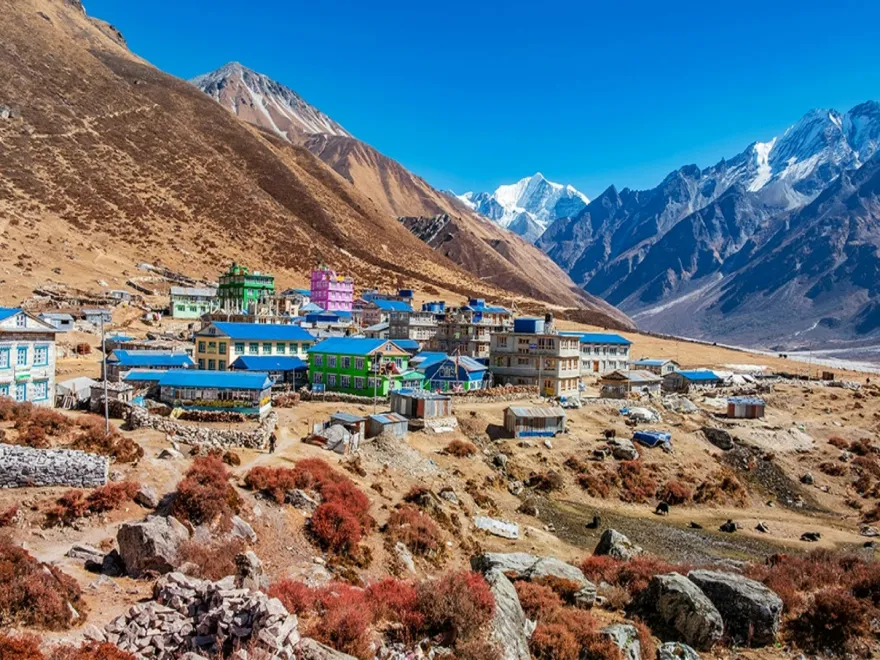
Hotel in Kathmandu and Lodge / Tea House during trek
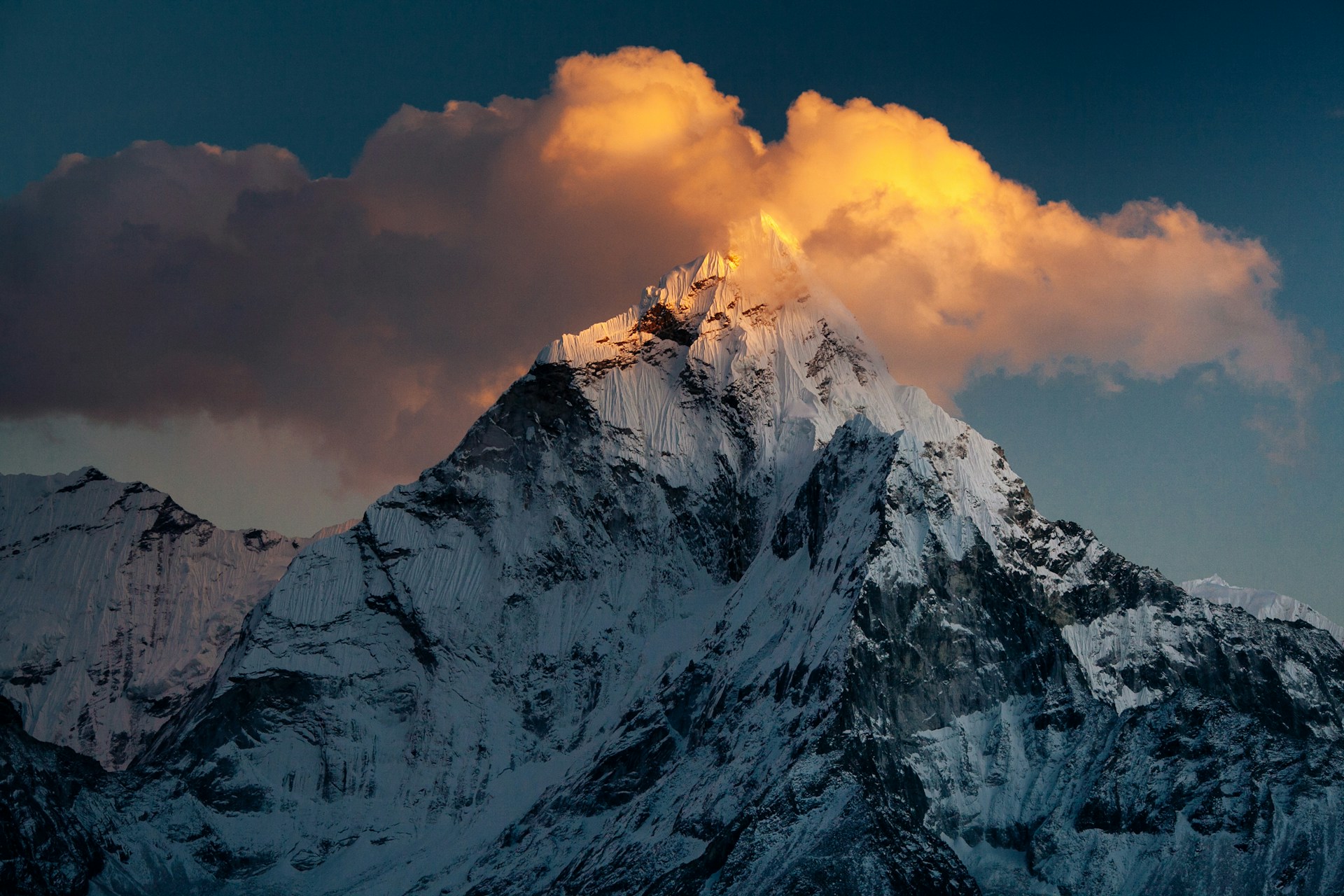
The Langtang Gosaikunda Trek is one of Nepal’s most rewarding trekking adventures, combining the cultural richness of the Langtang Valley with the sacred alpine lakes of Gosaikunda. This 14-day journey takes trekkers through beautiful rhododendron forests, traditional Tamang settlements, high mountain landscapes, glacial valleys, and holy pilgrimage sites. Located north of Kathmandu within the Langtang National Park, the trek offers stunning views of Langtang Lirung, Ganesh Himal, Dorje Lakpa, and several other snow-capped peaks.
Beginning with a scenic drive from Kathmandu to Syabrubesi, the trail gradually ascends through lush forests and charming villages to Langtang Village and Kyanjin Gompa. A memorable highlight is the hike to Tserko Ri (5,000m), one of the finest viewpoints in the Langtang region. After exploring Kyanjin Gompa, the trek continues toward the sacred Gosaikunda Lake, a revered pilgrimage destination for both Hindus and Buddhists. The combination of breathtaking scenery, spiritual significance, and authentic Himalayan culture makes this trek an unforgettable experience.
The best seasons for the Langtang Gosaikunda Trek are spring (March to May) and autumn (September to November). During spring, the hills and forests burst into color with blooming rhododendrons, magnolias, and other alpine flowers. The weather remains pleasant with moderate temperatures, making trekking comfortable and enjoyable. Mountain views are generally clear, allowing trekkers to enjoy panoramic vistas throughout the journey.
Autumn is equally popular due to its stable weather conditions and crystal-clear skies. Following the monsoon season, the landscapes become lush and vibrant while visibility reaches its peak. Trekkers can enjoy stunning views of the Langtang Himalayas and the sacred lakes around Gosaikunda. Winter trekking is possible for experienced trekkers, although heavy snowfall may affect higher sections of the trail. The monsoon season brings rain and slippery trails, making it a less favorable period for trekking.
Recommended Seasons:
The Langtang Gosaikunda Trek is considered a moderate to challenging trekking route. The trek involves daily walking of approximately 5 to 7 hours across varied terrain, including steep ascents and descents. The highest elevation reached during the trek is Tserko Ri at 5,000 meters, where proper acclimatization is essential. Trekkers should possess a reasonable level of physical fitness and be prepared for high-altitude conditions.
Transportation for the trek is relatively straightforward. The journey begins with a scenic drive from Kathmandu to Syabrubesi, which takes approximately 7 to 8 hours depending on road conditions. After completing the trek in Dhunche, travelers return to Kathmandu by road. Himalayan Mantras arranges comfortable transportation, experienced guides, and necessary logistical support to ensure a smooth trekking experience from arrival to departure.
Difficulty Factors:
Transportation:
Throughout the Langtang Gosaikunda Trek, trekkers stay in traditional teahouses and mountain lodges operated by local families. These accommodations provide simple yet comfortable rooms, generally featuring twin-sharing beds, blankets, and communal dining areas. While facilities become more basic at higher elevations, the warm hospitality of local hosts creates a welcoming atmosphere for trekkers.
Food options along the trail are surprisingly diverse. Teahouses serve nutritious meals designed to provide energy for trekking. Popular dishes include Dal Bhat, fried rice, noodles, Tibetan bread, soups, momos, pancakes, eggs, and seasonal vegetables. Hot beverages such as tea, coffee, and ginger honey lemon are readily available. Himalayan Mantras ensures that trekkers receive proper guidance regarding food choices and hydration throughout the journey.
Accommodation Features:
Food Options:
Trekkers undertaking the Langtang Gosaikunda Trek are required to obtain specific permits before entering the trekking region. These permits help support conservation efforts and ensure proper management of the trekking trails within Langtang National Park. The necessary permits include the Langtang National Park Entry Permit and the TIMS (Trekkers’ Information Management System) Card, depending on current government regulations.
Himalayan Mantras assists trekkers with all permit arrangements, ensuring a hassle-free process before the trek begins. Travelers simply need to provide passport copies and passport-sized photographs. Carrying permits throughout the trek is mandatory, as checkpoints are located at various points along the route.
Required Permits:
The Langtang Gosaikunda Trek offers an exceptional combination of natural beauty, cultural immersion, and spiritual significance. Unlike some of Nepal’s busier trekking routes, this trail provides a more peaceful and authentic Himalayan experience. Trekkers can witness traditional Tamang culture, explore remote mountain settlements, and visit the sacred Gosaikunda Lake while enjoying magnificent Himalayan panoramas.
Choosing Himalayan Mantras for your Langtang Gosaikunda Trek ensures professional service, experienced local guides, personalized attention, and a commitment to responsible tourism. The company focuses on safety, customer satisfaction, and authentic travel experiences. From airport transfers and permit arrangements to accommodation and trekking support, Himalayan Mantras handles every detail, allowing trekkers to fully enjoy their Himalayan adventure.
Why Trek with Himalayan Mantras?
Upon arrival at Tribhuvan International Airport, a representative from Himalayan Mantras will welcome you and transfer you to your hotel in Kathmandu. After check-in, there is time to rest, refresh, and recover from your journey before an evening briefing with the trekking team. During the briefing, guides review the Langtang Gosaikunda route, permits, safety considerations, weather expectations, and gear requirements. Depending on arrival time, you may stroll through nearby neighborhoods such as Thamel, exchange currency, or purchase any last-minute trekking supplies. The first day is intentionally relaxed to help you acclimatize to Nepal’s rhythm before heading into the mountains.
After breakfast, Himalayan Mantras begins the overland journey to Syabrubesi, the gateway to the Langtang Valley. The drive usually takes several hours, winding north through foothill towns, terraced farmland, and river valleys. As the road climbs and descends through the Trishuli region, mountain views occasionally open up, offering early glimpses of the Himalayan landscape. There will be stops for tea, meals, and rest breaks along the way. The final section becomes narrower and more rugged as you approach Syabrubesi. Upon arrival, you settle into a local lodge, enjoy dinner, and prepare for the trek that begins the following morning.
The first trekking day follows the Langtang Khola through lush subtropical forest. The trail alternates between gentle sections, suspension bridges, stone staircases, and steady climbs as it enters a denser woodland environment. Rhododendron, oak, and bamboo forests dominate the landscape, and the area is known for wildlife such as langur monkeys and numerous bird species. Himalayan Mantras guides maintain a measured pace to conserve energy and help gradual acclimatization. After passing small settlements and riverside tea houses, the route climbs more consistently before reaching Lama Hotel, a cluster of lodges tucked within the forested valley.
Today the trek transitions from dense forest into the broader alpine landscape of the upper Langtang Valley. The path climbs steadily through stands of rhododendron and pine before the valley opens and snow peaks begin to dominate the skyline. You pass through Ghodatabela, where there are tea houses and excellent mountain views, then continue through yak-grazing country and scattered settlements. The trail gradually reveals the cultural character of the region, influenced by Tibetan traditions and high-Himalayan pastoral life. Himalayan Mantras schedules regular hydration and rest breaks, helping trekkers adjust comfortably to the increased altitude before arriving at Langtang Village.
This shorter but important acclimatization-oriented day follows the valley eastward toward Kyanjin Gompa. The trail traverses open yak pastures, glacial terrain, and broad alpine meadows beneath dramatic Himalayan walls. As you approach Kyanjin, the scenery becomes increasingly spectacular, with surrounding peaks and glaciers dominating the horizon. The village is named after its historic monastery, which remains an important spiritual and cultural landmark. After lunch, many trekkers visit the monastery, the local cheese factory, or nearby viewpoints for gentle acclimatization walks. Himalayan Mantras encourages a relaxed afternoon, emphasizing hydration, nutrition, and altitude awareness before the higher excursion planned for the next day.
An early start is essential for the ascent to Tserko Ri, one of the finest viewpoints in the Langtang region. The trail climbs steeply across alpine slopes and rocky ridges, demanding slow, steady effort due to the altitude. As you gain height, the panorama expands to include Langtang Lirung, Langshisa Ri, Dorje Lakpa, and a vast array of surrounding snow peaks and glaciers. The summit offers a remarkable 360-degree Himalayan perspective and is often considered a highlight of the entire trek. After time for photographs and rest, you descend carefully to Kyanjin Gompa for a second night. Himalayan Mantras guides monitor pacing, weather conditions, and acclimatization throughout the day.
After breakfast, the route retraces the valley westward, passing through Langtang Village and descending gradually toward the forest zone. Because you are losing significant altitude, many trekkers feel stronger and move more comfortably than during the ascent. The changing scenery is striking: open alpine terrain gives way to yak pastures, then mixed woodland and moss-covered forest. The descent allows time to appreciate details that may have been overlooked while climbing earlier in the trek. Himalayan Mantras usually arranges lunch en route before continuing to Lama Hotel, where you spend the night surrounded once again by the quieter forested environment.
Today the itinerary leaves the main Langtang Valley route and heads toward the Gosaikunda trail network. The path descends through forest before crossing the river and climbing toward Thulo Syabru, a traditional hillside village with strong Tamang cultural influence. Stone houses, terraced fields, prayer flags, and local monasteries create a distinctly different atmosphere from the upper alpine valley. The climb to the village can feel sustained, but the reward is excellent mountain scenery and a more intimate settlement experience. Himalayan Mantras often encourages trekkers to explore the village in the evening, interact respectfully with residents, and enjoy the changing perspective on the Langtang and Ganesh Himal ranges.
The trail climbs steadily through rhododendron and oak forest toward the high ridge leading to Gosaikunda. During spring, these forests can be exceptionally colorful with blooming rhododendrons. The route gains altitude consistently, so Himalayan Mantras maintains a conservative pace with regular breaks. As the trees thin, views improve toward the Langtang and Ganesh Himal ranges. Sing Gompa, also known as Chandanbari, is a small settlement famous for its monastery and local cheese production. The higher elevation makes this an important acclimatization stop, and trekkers are encouraged to hydrate well, eat adequately, and rest early before moving above 4,000 meters on the following day.
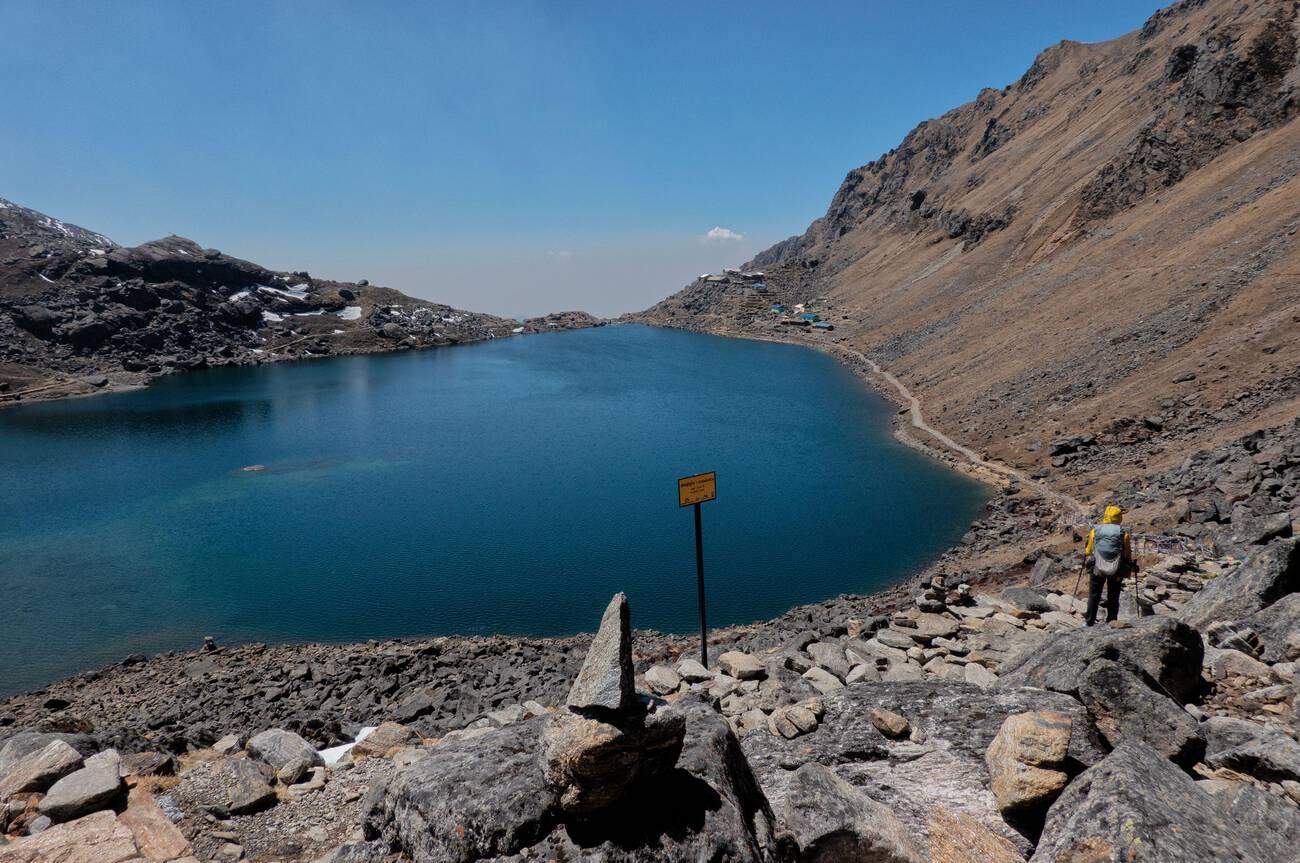
This is one of the most dramatic days of the trek. The trail climbs above the tree line into open alpine terrain, crossing rocky slopes, high meadows, and increasingly barren landscapes shaped by snow and wind. As you approach the lake basin, the sacred waters of Gosaikunda appear beneath surrounding ridges and peaks. The lake is revered in Hindu and Buddhist traditions and attracts pilgrims during major festivals. Due to the altitude, the final ascent requires patience and careful pacing. Upon reaching the lakeside lodges, Himalayan Mantras allows ample time for rest, acclimatization, and quiet exploration of the shoreline and nearby prayer sites before an early dinner and overnight stay at high elevation.
After a leisurely morning around Gosaikunda, there is time to appreciate the spiritual atmosphere, photograph the lake under changing light, and visit nearby sacred spots. The water, surrounding ridges, and prayer flags create one of the most memorable settings in the Nepal Himalaya. Once exploration is complete, the trek begins its descent toward Chandanbari. Losing altitude generally makes the afternoon more comfortable, though care is still needed on rocky and uneven sections. The trail gradually re-enters alpine meadows and then forested terrain. Himalayan Mantras guides keep the group together on the descent and usually schedule tea breaks before reaching the familiar lodges of Sing Gompa for the night.
The route continues downhill through forests of rhododendron, oak, and pine, passing small clearings and occasional villages as you descend toward Dhunche. Compared with the high alpine days, the air becomes warmer and denser, and the vegetation grows noticeably richer. The trail includes a mix of gradual sections, stone steps, and steeper descents that can be tiring on the knees despite the lower altitude. Dhunche is the administrative center of the district and offers more facilities than the mountain villages encountered earlier. Upon arrival, Himalayan Mantras usually holds a relaxed evening meal and informal celebration of completing the trekking portion of the journey.
After breakfast, you board the vehicle for the return drive to Kathmandu. The road follows river valleys, mountain foothills, and rural settlements, gradually transitioning from Himalayan landscapes back to the bustle of the capital. Depending on road conditions and traffic, the journey can be long, so Himalayan Mantras schedules comfort stops for meals and refreshments. Many trekkers spend the drive reflecting on the dramatic contrast between the forested Langtang Valley, the alpine basin of Gosaikunda, and the cultural villages encountered along the route. Once in Kathmandu, you check into the hotel and have free time for shopping, sightseeing, or simply enjoying a hot shower and comfortable evening in the city.
Your Langtang Gosaikunda adventure with Himalayan Mantras concludes today. After breakfast, the company team assists with airport transfer according to your international flight schedule. Depending on departure time, there may be an opportunity for a final walk through Kathmandu, last-minute souvenir shopping, or a visit to a nearby café before heading to the airport. The journey combines the deep forests and Tamang culture of the Langtang region with the high alpine landscapes and sacred lakes of Gosaikunda, creating a varied trekking experience that is both scenic and culturally rewarding. Himalayan Mantras remains available for future Nepal trekking plans and onward travel assistance.
Your Start Date is the day you land in Nepal, and your End Date is when you fly home.
If the set Langtang Gosaikunda Trek group dates don’t suit your schedule, we can offer alternative dates upon request.
Previous trekking experience is helpful but not mandatory for joining the Langtang Gosaikunda Trek. Many first-time trekkers successfully complete this journey each year with proper preparation, determination, and guidance. The itinerary is designed to allow gradual acclimatization and includes experienced guides who provide support throughout the trek. However, participants should be comfortable walking several hours per day over consecutive days. Himalayan Mantras advises beginners to undertake some practice hikes and basic fitness training before arriving in Nepal to ensure they are physically prepared for the demands of high-altitude trekking.
Altitude sickness can affect anyone regardless of age, fitness level, or previous trekking experience. Since the trek reaches elevations above 4,000 meters and includes a hike to Tserko Ri at approximately 5,000 meters, proper acclimatization is essential. Symptoms may include headaches, nausea, dizziness, fatigue, and difficulty sleeping. Himalayan Mantras follows carefully planned itineraries that help reduce altitude-related risks through gradual ascent, proper hydration, and regular monitoring. Guides are trained to recognize symptoms of altitude sickness and take appropriate action if needed. Trekkers are encouraged to communicate openly about their physical condition throughout the journey.
Many teahouses along the Langtang Gosaikunda Trek provide charging facilities and limited internet services, although availability becomes less reliable at higher elevations. Charging devices often requires a small additional fee, and internet connections may be slower than what travelers are accustomed to in urban areas. Weather conditions and local infrastructure can also affect service quality. Himalayan Mantras recommends bringing a power bank or spare batteries for cameras, phones, and other electronics. While connectivity is available in many locations, trekkers should also embrace the opportunity to disconnect and fully enjoy the Himalayan environment.
Himalayan Mantras is committed to providing safe, memorable, and professionally organized trekking experiences throughout Nepal. The company works with experienced local guides, knowledgeable trekking staff, and carefully planned itineraries that prioritize both enjoyment and safety. From airport transfers and permit arrangements to accommodation, transportation, and on-trail support, Himalayan Mantras manages every aspect of the journey. Trekkers also benefit from local expertise, cultural insights, and personalized service throughout the adventure. Whether you are an experienced hiker or a first-time visitor to Nepal, Himalayan Mantras strives to deliver an authentic and rewarding Langtang Gosaikunda Trek experience.
The best seasons for the Langtang Gosaikunda Trek are spring (March to May) and autumn (September to November). During spring, the hills and forests are decorated with blooming rhododendrons, while temperatures are generally mild and pleasant. Autumn offers stable weather, clear skies, and spectacular mountain views, making it the most popular trekking season in Nepal. Winter trekking is possible but can be challenging due to snow around Gosaikunda, while the monsoon season brings rain, muddy trails, and reduced visibility. Himalayan Mantras operates this trek throughout the year but recommends spring and autumn for the best overall experience.
The Langtang Gosaikunda Trek is considered a moderate to challenging Himalayan trek that combines the beautiful Langtang Valley with the sacred alpine lakes of Gosaikunda. Trekkers should be prepared for daily walks of 5 to 8 hours on varied terrain, including forest trails, stone staircases, rocky paths, and high-altitude routes. The trek reaches an elevation of approximately 5,000 meters at Tserko Ri and 4,380 meters at Gosaikunda Lake, making altitude a significant factor. Himalayan Mantras recommends that participants have a reasonable level of fitness and engage in regular walking, hiking, or cardiovascular exercise before the trek to maximize enjoyment and comfort.
Trekkers need specific permits to enter the Langtang region and complete the Langtang Gosaikunda Trek. These typically include the Langtang National Park Entry Permit and the TIMS (Trekkers' Information Management System) card or any updated permit requirements mandated by Nepalese authorities. Permit regulations can occasionally change, so it is important to obtain the latest information before traveling. When booking with Himalayan Mantras, all necessary permit arrangements and documentation assistance are handled on your behalf, allowing you to focus on enjoying your trekking experience without worrying about administrative procedures.
Accommodation during the Langtang Gosaikunda Trek is primarily provided in traditional mountain teahouses and lodges operated by local families. Rooms are generally simple, clean, and comfortable, usually featuring twin beds, blankets, and shared bathroom facilities. In lower villages, facilities may be more developed, while higher-altitude settlements offer more basic services due to their remote location. Staying in teahouses provides a wonderful opportunity to experience local hospitality and culture. Himalayan Mantras carefully selects reliable accommodations whenever possible to ensure trekkers enjoy a safe, comfortable, and authentic Himalayan experience throughout the journey.
The Langtang Gosaikunda Trek offers a surprisingly diverse selection of meals considering the remote mountain environment. Teahouses commonly serve traditional Nepali dishes such as Dal Bhat, as well as noodles, fried rice, soups, potatoes, pasta, eggs, pancakes, bread, and seasonal vegetables. Hot drinks including tea, coffee, and hot lemon are widely available. Dal Bhat is particularly popular among trekkers because it provides excellent energy and often includes free refills. Himalayan Mantras encourages trekkers to eat nutritious meals and stay well hydrated during the trek, especially at higher elevations where maintaining energy levels becomes increasingly important.
Packing properly is essential for a successful trekking experience. Trekkers should bring layered clothing suitable for changing mountain weather, including thermal base layers, fleece jackets, waterproof outerwear, trekking pants, gloves, hats, and quality hiking boots. Additional items such as sunglasses, sunscreen, water bottles, personal medications, toiletries, and a sleeping bag are highly recommended. Weather conditions can vary significantly between Kathmandu, Langtang Valley, and Gosaikunda. Himalayan Mantras provides a comprehensive packing list before departure, helping trekkers prepare appropriately while avoiding unnecessary weight during the trek.