Hotel in Kathmandu and Lodge / Tea House during the trek
The Manaslu Tsum Valley Trek is one of Nepal’s most rewarding and culturally immersive trekking adventures. Organized by Himalayan Mantras, this remarkable journey combines the remote beauty of the Tsum Valley with the spectacular Manaslu Circuit, offering trekkers an unforgettable experience in the heart of the Himalayas. The trek begins with a scenic drive from Kathmandu to Machha Khola and gradually ascends through traditional villages, dense forests, deep river gorges, ancient monasteries, and breathtaking mountain landscapes.
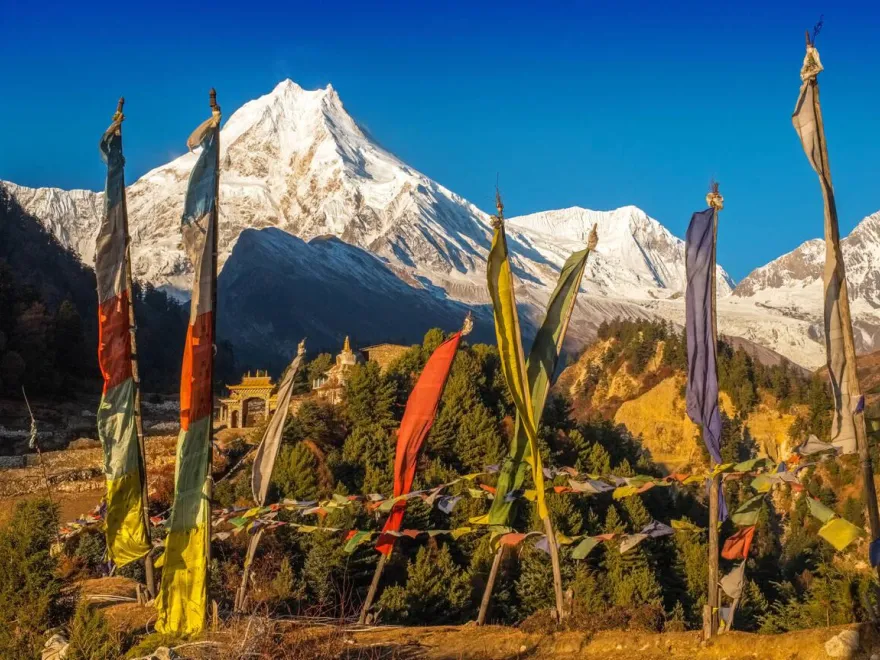
Tsum Valley, often called the “Hidden Valley of Happiness,” remained isolated from the outside world for centuries. The region is rich in Tibetan Buddhist culture, ancient traditions, and sacred monasteries such as Rachen Gompa and Mu Gompa. As the trek continues, adventurers join the classic Manaslu Circuit route, passing through Namrung, Lho, Samagaon, and Samdo before crossing the challenging Larkya La Pass (5,160m). The journey offers stunning views of Mount Manaslu (8,163m), the eighth-highest mountain in the world, along with numerous snow-capped Himalayan peaks.
The best seasons for the Manaslu Tsum Valley Trek are spring (March to May) and autumn (September to November). During these months, the weather is generally stable, the skies are clear, and trekkers can enjoy excellent mountain visibility. Spring brings colorful rhododendron blooms, lush forests, and moderate temperatures, creating ideal trekking conditions throughout the region.
Autumn is considered the most popular trekking season due to its crystal-clear views, dry trails, and pleasant daytime temperatures. The monsoon rains have already cleared the atmosphere, resulting in spectacular panoramas of the Himalayan range. Villages along the route are lively during this period, allowing trekkers to experience local festivals and cultural celebrations.
Seasonal advantages include:
The Manaslu Tsum Valley Trek is considered a moderately challenging to strenuous trek. The route involves long trekking days, continuous ascents and descents, high-altitude terrain, and crossing the demanding Larkya La Pass at 5,160 meters. Previous trekking experience is beneficial, although physically fit beginners with proper preparation can complete the trek.
Altitude is one of the primary challenges during this adventure. Himalayan Mantras carefully designs the itinerary with gradual elevation gain and an acclimatization day at Samagaon to help trekkers adjust safely. Good physical fitness, endurance, and mental determination are essential for completing the trek comfortably.
Transportation begins with a scenic drive from Kathmandu to Machha Khola and concludes with a drive back to Kathmandu from Dharapani. These overland journeys provide excellent opportunities to witness Nepal’s rural landscapes, river valleys, and hillside settlements before and after the trek.
Difficulty and transport facts:
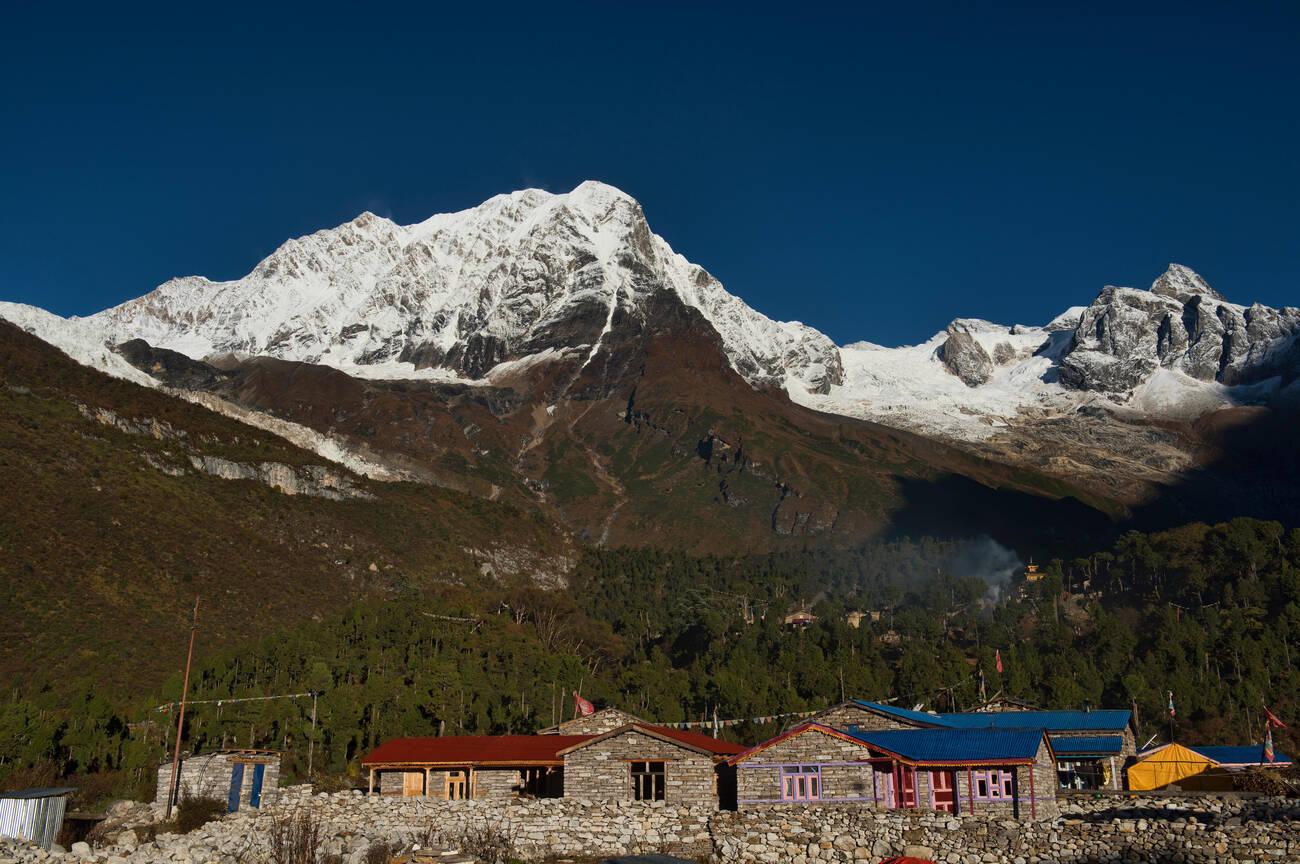
Throughout the trek, accommodation is provided in local teahouses and lodges that offer simple yet comfortable facilities. Rooms are generally twin-sharing and provide basic bedding. As the trail reaches higher elevations, facilities become more basic, reflecting the remoteness of the region. Despite this, the warm hospitality of local communities creates a welcoming atmosphere for trekkers.
Food options along the trail are nutritious and designed to support trekkers during long walking days. Popular meals include Dal Bhat, noodles, fried rice, soups, potatoes, Tibetan bread, pancakes, eggs, and seasonal vegetables. Tea houses also serve hot beverages such as tea, coffee, and hot lemon drinks that help trekkers stay warm in higher elevations.
Food and accommodation features:
Since the Manaslu and Tsum Valley regions are protected and restricted areas, trekkers must obtain several permits before starting the journey. These regulations help preserve the region’s natural environment, cultural heritage, and unique traditions. Himalayan Mantras assists trekkers with all necessary permit arrangements to ensure a smooth and hassle-free trekking experience.
The required permits typically include the Manaslu Restricted Area Permit (RAP), Tsum Valley Restricted Area Permit, Manaslu Conservation Area Permit (MCAP), and Annapurna Conservation Area Permit (ACAP). Trekking in this region also requires a registered guide and a minimum of two trekkers according to government regulations.
Required permits:
The Manaslu Tsum Valley Trek offers a perfect blend of adventure, culture, spirituality, and Himalayan scenery. Unlike more crowded trekking routes in Nepal, this trek provides a peaceful and authentic mountain experience. Trekkers can explore hidden valleys, ancient monasteries, traditional villages, and pristine landscapes while enjoying close interactions with local communities.
Choosing Himalayan Mantras for your Manaslu Tsum Valley Trek ensures professional service, experienced guides, personalized attention, and a strong commitment to safety. The company focuses on delivering memorable trekking experiences while promoting responsible tourism and supporting local communities. With carefully planned itineraries, knowledgeable staff, and exceptional customer care, Himalayan Mantras helps trekkers discover the true beauty of the Manaslu and Tsum Valley region.
Reasons to choose this trek:
Upon your arrival at Tribhuvan International Airport in Kathmandu, a representative from Himalayan Mantras will warmly welcome you and transfer you to your hotel. Kathmandu, the vibrant capital of Nepal, is a fascinating blend of ancient traditions, colorful culture, and modern development. After checking in, you can relax after your international flight or explore the bustling streets around Thamel, known for its trekking shops, cafes, and cultural atmosphere. In the evening, you will attend a trek briefing where your guide will explain the route, safety measures, and essential preparations for the upcoming adventure. Overnight stay at the hotel in Kathmandu.
Today begins with an early morning drive from Kathmandu toward the remote Manaslu region. The journey follows winding mountain highways alongside scenic rivers, terraced farmlands, and traditional villages. Passing through Arughat and Soti Khola, the road gradually becomes rougher as you enter the rugged hills of Gorkha District. Throughout the drive, spectacular views of green valleys, waterfalls, and distant mountain ridges accompany you. The route offers a glimpse into rural Nepalese life and the changing landscapes of the Himalayas. After approximately eight to ten hours of travel, you arrive at Machha Khola, a small riverside settlement where you will spend the night.
Your trekking adventure officially begins today. The trail follows the Budhi Gandaki River through lush forests, suspension bridges, and small settlements inhabited by local Gurung communities. Along the route, you pass Khorlabesi village and natural hot springs at Tatopani, where trekkers often stop for a short break. The path alternates between gentle ascents and descents while offering beautiful river views and dramatic cliffs. As you gain elevation, the landscape becomes increasingly mountainous. After crossing several suspension bridges and walking through charming villages, you arrive at Jagat, a traditional stone-paved settlement that serves as the gateway to the restricted Manaslu Conservation Area.
After completing permit checks in Jagat, the trail continues through picturesque villages and dense forests toward the entrance of the sacred Tsum Valley. The route climbs steadily through Philim, one of the largest villages in the area, known for its terraced fields and Buddhist culture. Leaving the main Manaslu Circuit trail behind, you enter a quieter and less-traveled route leading into Tsum Valley. The trail traverses pine forests, crosses suspension bridges, and follows scenic ridges with outstanding views of surrounding mountains. By late afternoon, you reach Lokpa, the first village of Tsum Valley, where traditional Tibetan-influenced culture becomes increasingly visible.
Today's trek takes you deeper into the hidden Tsum Valley. The route descends briefly through beautiful forests before crossing the Siyar Khola via suspension bridges. Along the way, magnificent views of Ganesh Himal and surrounding snow-capped peaks begin to emerge. The trail gradually ascends through tranquil forests of pine and rhododendron before reaching Chumling, a picturesque village characterized by traditional stone houses, prayer flags, and ancient Buddhist monasteries. Chumling provides excellent views of Shringi Himal and serves as an important cultural center within the valley. The peaceful atmosphere and rich Tibetan heritage offer trekkers a unique glimpse into one of Nepal’s most isolated Himalayan communities.
Leaving Chumling, the trail climbs steadily through fertile farmlands, mani walls, and traditional villages such as Chhokang Paro. The cultural richness of Tsum Valley becomes increasingly evident as prayer wheels, chortens, and monasteries line the route. Spectacular views of Ganesh Himal, Himalchuli, and other towering peaks accompany the journey. As you gain altitude, the valley widens and reveals a dramatic high-Himalayan landscape. Continuing through Lamagaon and several small settlements, you eventually arrive at Rachen Gompa, one of the most significant nunneries in the region. Surrounded by mountains and spiritual serenity, the monastery provides a memorable overnight stay.
Today is one of the most culturally rewarding days of the trek. The route continues northward through Tibetan-style villages, expansive yak pastures, and ancient Buddhist landmarks. Passing villages such as Chhule and Nile, you encounter strong Tibetan influences in architecture, language, and lifestyle. From Nile, a side excursion leads to the sacred Mu Gumpa, the largest and highest monastery in Tsum Valley. This centuries-old monastery sits in a spectacular location near the Tibetan border and offers breathtaking views of the surrounding Himalayan landscape. After exploring the monastery and learning about local Buddhist traditions, you return to Nile for an overnight stay.
After experiencing the upper reaches of Tsum Valley, you begin your return journey. The descent follows familiar trails through Chhule, Rachen Gompa, and Chhokang Paro. Walking downhill allows you to appreciate the valley from a different perspective, with panoramic mountain views and traditional villages appearing even more striking. Along the route, you can observe local farmers, yak herders, and monks going about their daily lives. The journey combines cultural encounters with beautiful Himalayan scenery. By late afternoon, you reach Chumling, where you can relax and reflect on the remarkable experiences gained in the sacred and isolated Tsum Valley.
Today you leave the Tsum Valley and reconnect with the main Manaslu Circuit route. The trail descends through forests and crosses several suspension bridges before rejoining the Budhi Gandaki Valley. Along the way, you pass through Lokpa and continue toward Philim, where agricultural terraces and traditional settlements dominate the landscape. The route offers a mixture of ascents and descents through beautiful forests and narrow gorges. As you proceed, the scenery transitions from the secluded atmosphere of Tsum Valley back to the bustling trekking route of Manaslu. The day concludes in Deng, a charming village with strong Tibetan cultural influences.
The trail gradually ascends through dense forests of pine and fir while crossing several suspension bridges over the Budhi Gandaki River. Small settlements and beautifully carved mani stones highlight the growing Tibetan Buddhist influence throughout the region. As you gain altitude, the air becomes cooler and the mountain scenery more dramatic. Villages such as Bihi Phedi and Ghap provide opportunities to observe traditional Himalayan lifestyles. The route eventually reaches Namrung, a culturally rich village known for its impressive stone houses and stunning views of Himalchuli, Ganesh Himal, and other snow-capped peaks.
Today’s trek offers some of the first truly magnificent views of Manaslu. The trail passes through forests, alpine meadows, and traditional villages including Lihi and Sho. Along the way, you encounter beautifully decorated chortens, mani walls, and prayer flags reflecting the region’s deep Buddhist traditions. As the trail climbs higher, the towering presence of Mount Manaslu becomes increasingly visible. Arriving in Lho, you are rewarded with one of the finest panoramic viewpoints of the trek. The village is home to Ribung Monastery, where trekkers can enjoy unforgettable sunset views over the majestic Himalayan peaks.
The journey continues through alpine landscapes as you move closer to Mount Manaslu. The trail passes through Shyala village, where spectacular views of Manaslu, Himalchuli, Ngadi Chuli, and other surrounding peaks dominate the horizon. The route is relatively gentle, allowing trekkers to gradually acclimatize to the increasing altitude. After traversing yak pastures and glacial valleys, you arrive at Samagaon, one of the largest and most important villages in the region. This traditional settlement provides stunning mountain scenery, rich cultural experiences, and serves as a key acclimatization stop before venturing toward higher elevations.
A crucial acclimatization day is spent in Samagaon to help your body adjust to the altitude. Rather than remaining inactive, you will undertake a rewarding day hike. Popular options include the turquoise waters of Birendra Lake, the peaceful Pungen Monastery, or the more challenging trek toward Manaslu Base Camp. Each destination offers breathtaking views of glaciers, towering peaks, and dramatic alpine landscapes. The hike allows for gradual altitude exposure while minimizing the risk of altitude sickness. Returning to Samagaon in the afternoon, you can rest, explore the village, and prepare for the higher sections of the trek.
The trail today is relatively short but important for continued acclimatization. Following the Budhi Gandaki River through a wide alpine valley, the route offers spectacular views of Manaslu and surrounding glaciers. Yak caravans are commonly seen transporting goods between remote settlements. As you approach Samdo, the landscape becomes increasingly barren and rugged, reflecting the harsh conditions of the high Himalayas. Samdo is a traditional Tibetan refugee village located near the Tibetan border. The settlement provides unique cultural insights and stunning panoramic views, making it an ideal place to rest before heading toward the challenging Larkya La Pass.
Today involves a gradual ascent toward the base of Larkya La Pass. The trail traverses high alpine terrain, crossing streams and glacial moraines while offering magnificent mountain vistas. The surrounding landscape feels remote and dramatic, with snow-covered peaks rising on all sides. As you gain elevation, the air becomes thinner and trekking pace slows accordingly. The route eventually reaches Larkya Phedi, also known as Dharamsala, a small seasonal settlement that serves as the final stop before crossing the pass. The remainder of the day is spent resting, hydrating, and preparing for tomorrow’s challenging high-altitude adventure.
This is the most demanding and rewarding day of the entire trek. Starting before dawn, you gradually ascend toward Larkya La Pass, one of Nepal’s most spectacular mountain passes. The climb rewards trekkers with breathtaking views of Himlung Himal, Cheo Himal, Kang Guru, Annapurna II, and Mount Manaslu. Reaching the prayer-flag-covered summit of the pass at 5,160 meters is a memorable achievement. After spending time enjoying the panoramic scenery, you descend carefully across glacial terrain and alpine meadows toward Bimthang. Surrounded by magnificent peaks and glaciers, Bimthang provides a stunning location for a well-deserved overnight rest.
After crossing the highest point of the trek, today's route involves a long descent through diverse landscapes. The trail passes through rhododendron forests, pine woodlands, and fertile agricultural fields. As you descend, temperatures become warmer and vegetation becomes increasingly lush. Along the way, beautiful views of Manaslu and surrounding peaks continue to accompany your journey. The route passes through villages such as Tilije before joining the Annapurna Circuit trail near Dharapani. Arriving in Dharapani marks the successful completion of the trekking portion of your Manaslu Tsum Valley adventure and provides an opportunity to celebrate your achievement.
Following breakfast, you begin the scenic drive back to Kathmandu. The journey follows mountain roads through the Marsyangdi Valley before connecting with the main highway. Along the route, you pass charming villages, terraced hillsides, rivers, and bustling market towns that showcase the diversity of Nepal’s countryside. The drive offers time to reflect on the extraordinary experiences of the past weeks, including remote Himalayan villages, sacred monasteries, dramatic mountain passes, and unforgettable cultural encounters. Upon arrival in Kathmandu, you will be transferred to your hotel where you can enjoy a hot shower, comfortable accommodation, and a relaxing evening.
Your incredible Manaslu Tsum Valley Trek with Himalayan Mantras comes to an end today. Depending on your flight schedule, you may have time for some last-minute shopping, sightseeing, or relaxation in Kathmandu. A representative from Himalayan Mantras will transfer you to Tribhuvan International Airport for your onward journey. As you depart Nepal, you take with you unforgettable memories of remote Himalayan landscapes, ancient Buddhist culture, welcoming mountain communities, and the achievement of completing one of Nepal’s most rewarding trekking adventures. Himalayan Mantras thanks you for traveling with us and looks forward to welcoming you back for future Himalayan journeys.
Your Start Date is the day you land in Nepal, and your End Date is when you fly home.
If the set Manaslu Tsum Valley Trek group dates don’t suit your schedule, we can offer alternative dates upon request.
The Manaslu Tsum Valley Trek is one of Nepal’s most remarkable trekking adventures, combining the classic Manaslu Circuit with the culturally rich and sacred Tsum Valley. This trek takes travelers through remote Himalayan villages, ancient Buddhist monasteries, dramatic mountain landscapes, and traditional Tibetan-influenced communities. The route offers a unique blend of natural beauty and cultural heritage while remaining less crowded than popular trekking regions such as Everest and Annapurna. With Himalayan Mantras, trekkers can experience authentic Himalayan culture, breathtaking mountain scenery, and an unforgettable journey through one of Nepal’s most isolated regions.
Yes, altitude sickness can be a concern because the trek reaches elevations above 5,000 meters, particularly while crossing Larkya La Pass. Symptoms may include headaches, dizziness, nausea, fatigue, and difficulty sleeping. However, the risk can be significantly reduced through proper acclimatization, adequate hydration, gradual ascent, and maintaining a comfortable walking pace. Himalayan Mantras follows carefully designed itineraries that include acclimatization days, especially at Samagaon, to help trekkers adjust safely to higher elevations. Experienced guides continuously monitor participants and provide support throughout the journey.
Himalayan Mantras is dedicated to providing safe, authentic, and memorable Himalayan trekking experiences. The company works with experienced local guides who possess extensive knowledge of the Manaslu and Tsum Valley regions. From permit arrangements and logistics to accommodation and safety management, every aspect of the trek is carefully organized. Himalayan Mantras focuses on responsible tourism, cultural respect, and personalized service to ensure every traveler enjoys a rewarding adventure. Whether you are an experienced trekker or a first-time visitor to Nepal, the company strives to deliver an exceptional trekking experience.
Yes, motivated beginners with a good level of physical fitness can successfully complete the Manaslu Tsum Valley Trek. Although the trek is more demanding than many shorter routes in Nepal, proper preparation and a well-planned itinerary make it achievable for first-time trekkers. Regular cardiovascular exercise, hiking practice, and mental preparedness are beneficial before the trip. Himalayan Mantras ensures that trekkers maintain a manageable pace and receive guidance throughout the journey. With determination and adequate preparation, even novice trekkers can enjoy the incredible landscapes and cultural experiences offered by this trek.
Tsum Valley is often referred to as the "Hidden Valley of Happiness" because of its unique culture, spiritual significance, and remote location. The valley remained isolated from the outside world for centuries, allowing its Tibetan Buddhist traditions to remain remarkably well preserved. Ancient monasteries, sacred pilgrimage sites, traditional stone villages, and warm local communities create a deeply authentic cultural experience. Unlike more commercialized trekking destinations, Tsum Valley offers tranquility, cultural immersion, and pristine Himalayan scenery. Himalayan Mantras considers Tsum Valley one of Nepal’s most rewarding destinations for travelers seeking both adventure and cultural discovery.
The Manaslu Tsum Valley Trek is considered a moderately challenging to strenuous trek suitable for trekkers with good physical fitness and a positive attitude. The trek involves long walking days, significant altitude gain, steep ascents and descents, and crossing the high Larkya La Pass at 5,160 meters. Previous trekking experience is helpful but not mandatory. Proper preparation, regular exercise, and gradual acclimatization greatly improve the trekking experience. Himalayan Mantras designs the itinerary carefully to ensure sufficient acclimatization and maximize safety while allowing trekkers to fully enjoy the journey.
Yes, several permits are required because both the Manaslu region and Tsum Valley are restricted areas regulated by the Nepal Government. Trekkers generally need a Manaslu Restricted Area Permit, a Tsum Valley Restricted Area Permit, a Manaslu Conservation Area Permit (MCAP), and an Annapurna Conservation Area Permit (ACAP). These permits help preserve the natural environment and cultural heritage of the region. Himalayan Mantras handles all permit arrangements on behalf of clients, ensuring a smooth and hassle-free trekking experience while complying with all local regulations.
The best seasons for the Manaslu Tsum Valley Trek are spring (March to May) and autumn (September to November). During these months, the weather is generally stable, mountain views are exceptionally clear, and temperatures are comfortable for trekking. Spring offers blooming rhododendron forests and vibrant landscapes, while autumn provides crystal-clear skies and ideal trekking conditions. Winter trekking is possible but can be challenging due to snow at higher elevations. The monsoon season brings heavy rainfall and slippery trails. Himalayan Mantras recommends spring and autumn for the best overall trekking experience.
Accommodation during the Manaslu Tsum Valley Trek is primarily provided in local teahouses and mountain lodges. These teahouses offer simple but comfortable rooms with twin beds, blankets, and shared facilities. As the trek reaches higher elevations, accommodation becomes more basic due to the remoteness of the region. Staying in teahouses provides a wonderful opportunity to interact with local families and experience authentic mountain hospitality. Himalayan Mantras carefully selects reliable lodges whenever possible to ensure trekkers enjoy safe, clean, and comfortable overnight stays throughout the adventure.
Trekkers can enjoy a surprisingly varied menu throughout the Manaslu Tsum Valley Trek. Common meals include dal bhat (rice, lentils, and vegetables), noodles, soups, fried rice, potatoes, pancakes, eggs, Tibetan bread, and seasonal vegetables. In larger villages, additional options such as pasta and simple international dishes may also be available. The food is freshly prepared and designed to provide sufficient energy for long trekking days. Himalayan Mantras encourages trekkers to choose nutritious meals, stay hydrated, and maintain a balanced diet to support overall health and performance.
Yes, comprehensive travel insurance is strongly recommended and often considered essential for this trek. Since the route reaches remote and high-altitude areas, insurance should cover emergency medical treatment, helicopter evacuation, trip cancellation, and personal accidents. Weather conditions and altitude-related issues can occasionally require emergency assistance. Having proper insurance provides peace of mind and financial protection during your adventure. Himalayan Mantras advises all participants to obtain suitable travel insurance before arriving in Nepal and to carry a copy of their insurance details throughout the trek.
Packing appropriately is crucial for a comfortable trekking experience. Essential items include sturdy trekking boots, warm clothing layers, waterproof jackets, thermal wear, gloves, hats, sunglasses, a sleeping bag, trekking poles, and personal toiletries. Temperatures can vary significantly between lower valleys and high mountain passes, making layered clothing extremely important. Additional items such as water purification tablets, sunscreen, and a basic first-aid kit are also recommended. Himalayan Mantras provides a detailed packing checklist before departure to help trekkers prepare efficiently for varying weather and trail conditions.