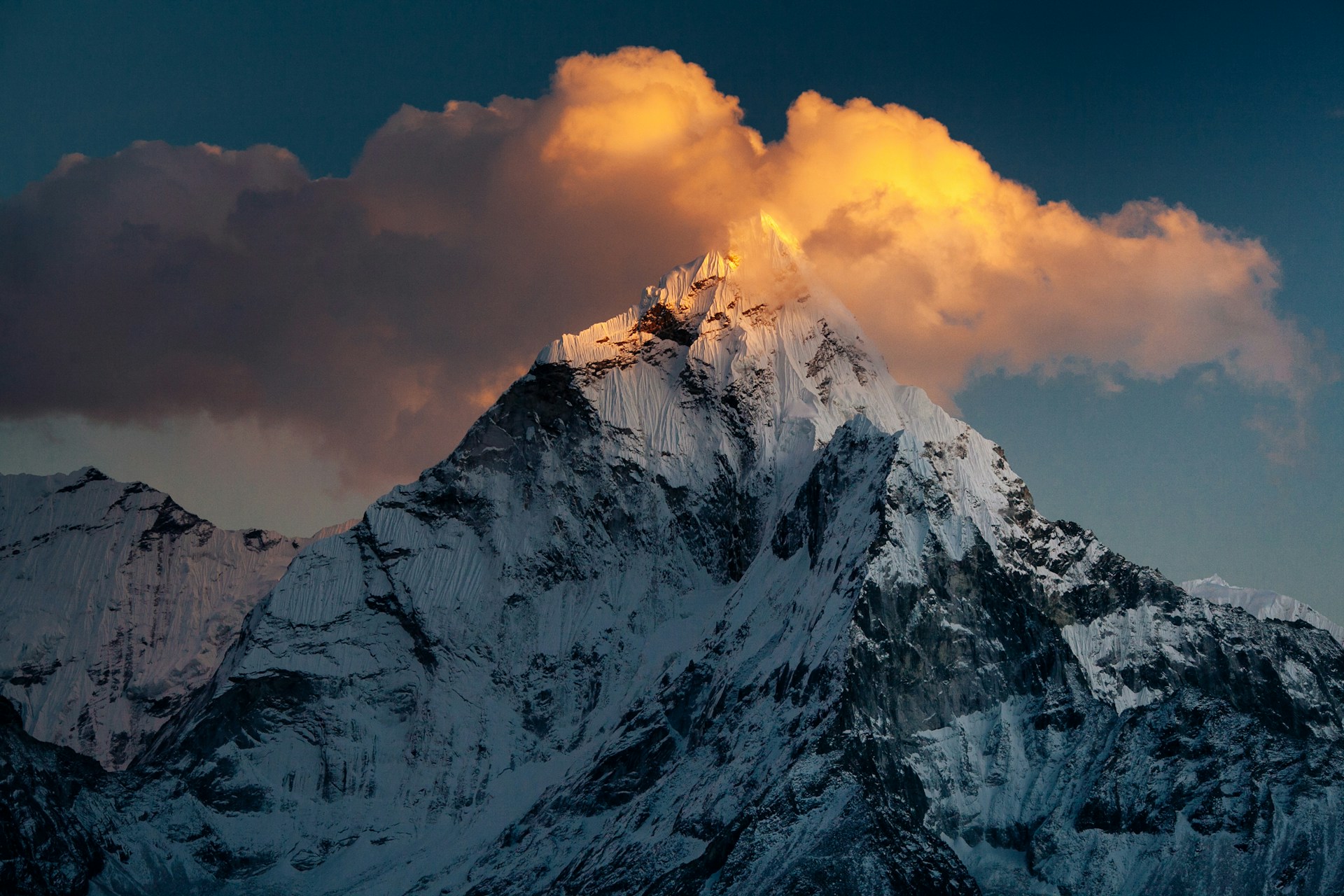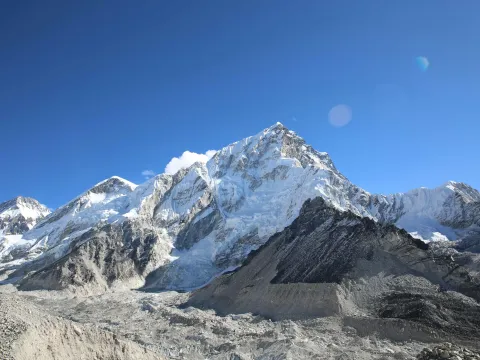
The Everest Base Camp Trek is one of the most iconic trekking adventures in the world, leading you deep into the heart of the Khumbu region of Nepal. Organized by Himalayan Mantras, this journey takes you through dramatic Himalayan landscapes, traditional Sherpa villages, ancient monasteries, and finally to the base of the world’s highest peak, Mount Everest (8,848.86 m). The trek follows a well-established route passing through key destinations such as Lukla, Namche Bazaar, Tengboche, Dingboche, Lobuche, and Gorak Shep before reaching the legendary Everest Base Camp.This 15-day itinerary is carefully designed to ensure proper acclimatization, safety, and maximum scenic enjoyment. Himalayan Mantras focuses on guided support, cultural immersion, and responsible trekking practices, ensuring travelers experience both natural beauty and Himalayan hospitality.The trek is not only about reaching Everest Base Camp but also about experiencing the spiritual and cultural richness of the Khumbu region. From monasteries like Tengboche Monastery to panoramic viewpoints such as Kala Patthar, every day brings a new perspective of the Himalayas.Trek to Everest Base Camp (5,364 m)Sunrise view from Kala PattharSherpa culture and monasteriesScenic flights to/from LuklaAcclimatization days in Namche & DingbocheGuided support by Himalayan MantrasBest Season for Everest Base Camp TrekThe best seasons for the Everest Base Camp Trek are spring (March–May) and autumn (September–November). During these periods, weather conditions are stable, skies are clear, and mountain visibility is at its best. Spring offers blooming rhododendrons and slightly warmer temperatures, while autumn provides crisp air and excellent visibility of peaks like Everest, Lhotse, and Ama Dablam.Winter (December–February) is also possible but extremely cold, especially at higher elevations like Gorak Shep and Lobuche. Monsoon season (June–August) is generally avoided due to heavy rainfall, flight delays to Lukla, and slippery trails.Himalayan Mantras carefully schedules departures in peak seasons to ensure optimal trekking conditions, safety, and maximum enjoyment of Himalayan scenery.Season breakdown:Spring (Mar–May): Best for flowers & moderate weatherAutumn (Sep–Nov): Best visibility & stable climateWinter (Dec–Feb): Cold but less crowdedMonsoon (Jun–Aug): Not recommended due to rain & flightsEverest Base Camp Trek Difficulty and TransportationThe Everest Base Camp Trek is considered moderate to challenging, mainly due to high altitude rather than technical climbing difficulty. The trail involves long walking days (5–7 hours on average), steep ascents, rocky paths, and thin air above 3,500 meters. However, no technical mountaineering skills are required, making it achievable for fit trekkers with proper preparation.Transportation begins with a scenic yet adventurous flight from Kathmandu to Lukla, landing at the famous Tenzing-Hillary Airport. From there, the trek proceeds on foot through villages like Phakding and Namche Bazaar. Return transportation follows the same route, with a flight back to Kathmandu at the end of the journey.Altitude sickness is the main challenge, especially beyond Dingboche and Lobuche. Himalayan Mantras includes acclimatization days and experienced guides to ensure safety.Difficulty & transport highlights:Moderate–challenging trekking grade5–7 hours walking dailyScenic but weather-dependent flights to LuklaHigh-altitude risk management includedNo technical climbing requiredFood and Accommodation for Everest Base Camp TrekAccommodation along the Everest Base Camp route consists mainly of teahouses, which are simple mountain lodges run by local families. Rooms are basic, typically twin-sharing with shared bathrooms at lower elevations like Phakding and Namche Bazaar. As altitude increases toward Gorak Shep, facilities become more basic due to remote conditions.Food is hearty and designed to provide energy for trekking. Common meals include dal bhat (rice and lentils), noodles, pasta, soups, potatoes, and Tibetan bread. Himalayan Mantras ensures hygienic food arrangements and recommends high-calorie diets for altitude adaptation.At higher elevations like Lobuche, food variety reduces but remains sufficient for trekking needs. Hot drinks such as tea, coffee, and ginger lemon honey are widely available and help with hydration and warmth.Accommodation & food highlights:Teahouse lodging throughout trekBasic rooms, shared bathrooms at higher altitudeNutritious local meals (dal bhat recommended)Limited menu at higher elevationsSafe, hygienic arrangements by Himalayan MantrasEverest Base Camp Trek PermitsTo undertake the Everest Base Camp Trek, trekkers must obtain several official permits. These are required to enter the Khumbu region and ensure environmental conservation and local regulation compliance. Himalayan Mantras handles all permit arrangements for a smooth trekking experience.The main permits include the Khumbu Pasang Lhamu Rural Municipality Permit and the Sagarmatha National Park Entry Permit. These permits are checked at various points along the trail, especially near Monjo before entering protected areas.All permits are typically arranged in Kathmandu before flying to Lukla. Proper documentation ensures hassle-free trekking and supports local infrastructure and conservation efforts.Required permits:Sagarmatha National Park PermitKhumbu Pasang Lhamu Rural Municipality PermitTIMS card (in some cases, depending on regulations)Arranged by Himalayan Mantras before departureWhy Choose Everest Base Camp Trek with Himalayan MantrasChoosing the Everest Base Camp Trek with Himalayan Mantras ensures a professionally organized, safe, and culturally immersive Himalayan experience. The company focuses on responsible tourism, experienced guides, and personalized service, making the journey both comfortable and meaningful.From arrival in Kathmandu to the final farewell dinner, every step is carefully planned. Himalayan Mantras provides expert trekking guides, porter support, emergency assistance, and acclimatization-focused itineraries. The journey through places like Namche Bazaar, Tengboche, and Dingboche is enriched with cultural insights and local interaction.This trek is not just about reaching Everest Base Camp, but about experiencing the Himalayas deeply and safely.Why choose Himalayan Mantras:Experienced and certified trekking guidesSafety-focused acclimatization itineraryFull logistics (permits, flights, accommodation)Cultural immersion with local communitiesEmergency support and first aid readinessEthical and responsible trekking practices
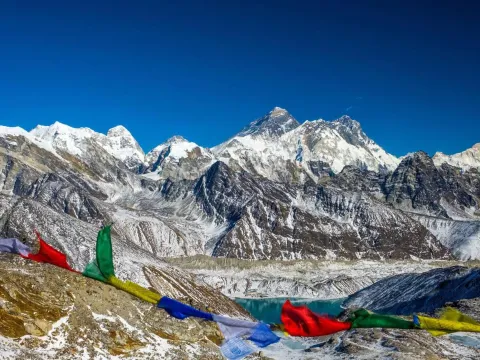
The Everest Three Pass Trek is one of the most challenging and rewarding trekking circuits in the Everest region, designed for experienced trekkers seeking high-altitude adventure beyond the standard Everest Base Camp route. This trek crosses three major Himalayan passes—Kongma La (5,535 m), Cho La (5,420 m), and Renjo La (5,360 m)—while also covering iconic destinations such as Kathmandu, Lukla, Namche Bazaar, Tengboche, Dingboche, and the turquoise lakes of Gokyo.The itinerary begins with arrival in Kathmandu and a scenic mountain flight to Lukla, followed by gradual trekking through the Dudh Koshi valley. The route ascends toward Namche Bazaar, the vibrant Sherpa capital, before continuing through Tengboche monastery and into the high-altitude settlement of Dingboche. From here, trekkers tackle three high passes, each offering dramatic glacier crossings, panoramic Himalayan views, and remote alpine landscapes.This trek also includes major highlights such as Everest Base Camp (5,364 m), Kala Patthar viewpoint, and the Gokyo Lakes system, making it a complete Everest circuit adventure. It is physically demanding but extremely rewarding, offering unmatched diversity in terrain, culture, and Himalayan scenery.Cross 3 high Himalayan passes above 5,300 mVisit Everest Base Camp & Kala PattharExplore Gokyo Lakes and glacial valleysExperience Sherpa culture in Namche & TengbocheScenic flight between Kathmandu and LuklaBest Season for Everest Three Pass TrekThe best seasons for the Everest Three Pass Trek are spring (March–May) and autumn (September–November). These periods provide stable weather conditions, clear skies, and excellent mountain visibility, which are crucial for high passes such as Kongma La, Cho La, and Renjo La. During these seasons, trekkers enjoy moderate temperatures in lower elevations like Namche Bazaar and crisp, cold but manageable conditions at higher altitudes.Spring is especially beautiful due to blooming rhododendrons and active wildlife in the lower Everest region. The trails become colorful and lively, making the journey more scenic. Autumn, on the other hand, is considered the most stable season, with minimal precipitation and crystal-clear Himalayan views, ideal for photography and safe pass crossings.Winter (December–February) is possible but extremely cold, especially above 4,500 m, with heavy snow blocking passes. Monsoon season (June–August) brings rain, landslides, and poor visibility, making trekking unsafe and less enjoyable.Choosing the right season significantly improves safety, acclimatisation success, and overall trekking experience.Best season summary:Spring: Best for flowers & moderate weatherAutumn: Best for clarity & stable conditionsWinter: Very cold, high risk above 5,000 mMonsoon: Not recommended due to rain & landslidesEverest Three Pass Trek Difficulty and TransportationThe Everest Three Pass Trek is classified as strenuous to extremely challenging, primarily due to high altitude, long trekking days, and technical pass crossings. Trekkers must be prepared to walk 6–8 hours daily on rugged terrain, often above 4,000 m. The high passes—especially Kongma La and Cho La—require stamina, mental endurance, and basic alpine trekking experience.Altitude is one of the biggest challenges. The route reaches over 5,500 m at points like Chhukung Ri and the passes, increasing the risk of altitude sickness. Proper acclimatisation days in places such as Dingboche and Gokyo are essential.Transportation begins with a domestic flight from Kathmandu to Lukla, one of the world’s most thrilling mountain airports. From Lukla onward, there are no roads—only trekking routes, yak trails, and suspension bridges.Weather conditions can also impact flights to Lukla, often causing delays or cancellations, so buffer days are strongly recommended. Within the trek, movement is entirely on foot with porter and guide support provided by companies like Himalayan Mantras.Difficulty & transport summary:Strenuous high-altitude trekking route3 major passes above 5,300 mDomestic flight Kathmandu–Lukla requiredNo road access beyond LuklaWeather-dependent flight schedulesRequires strong fitness & acclimatisationFood and Accommodation for Everest Three Pass TrekAccommodation along the Everest Three Pass Trek is primarily in teahouses, which are locally run mountain lodges offering basic but comfortable lodging and meals. In lower regions such as Namche Bazaar and Tengboche, teahouses are more developed with better facilities, while higher regions like Lobuche and Gokyo have simpler accommodations due to limited resources.Rooms typically include twin beds, blankets, and shared bathrooms. As altitude increases, amenities become more basic, and heating is usually only available in dining areas. Despite simplicity, teahouses provide warm hospitality and a strong sense of Himalayan culture.Food options include dal bhat (rice, lentils, vegetables), noodles, pasta, soups, potatoes, and Tibetan bread. At higher elevations, food becomes more expensive due to transportation difficulty. Hydration and high-calorie meals are essential for maintaining energy levels during long trekking days.Companies like Himalayan Mantras ensure hygienic food arrangements and reliable accommodation bookings throughout the route, especially during peak trekking seasons.Food & accommodation summary:Teahouse lodging throughout the routeBetter facilities in lower villagesBasic but functional rooms at high altitudeTraditional Nepalese & international mealsDal Bhat as main energy mealHigher prices with altitude increaseEverest Three Pass Trek PermitsTo complete the Everest Three Pass Trek, trekkers must obtain several permits required by the Nepalese authorities. The most important include the Sagarmatha National Park Entry Permit and the Khumbu Pasang Lhamu Rural Municipality Permit. These permits help regulate tourism and preserve the fragile Himalayan environment.The Sagarmatha National Park permit is required from the entry point near the Everest region and covers protected areas including Namche Bazaar, Tengboche, and Everest Base Camp zones. The local municipality permit is issued in Lukla or Monjo and supports local development initiatives.Trekkers do not require a TIMS card for the Khumbu region in many updated regulations, but rules may change depending on government policy. A registered trekking agency such as Himalayan Mantras typically handles all permit arrangements to ensure compliance and smooth entry.Permits are checked at multiple checkpoints along the trail, so carrying printed copies is essential.Permit summary:Sagarmatha National Park Entry PermitKhumbu Pasang Lhamu Rural Municipality PermitIssued in Kathmandu or Lukla regionChecked at multiple trekking checkpointsAgency-assisted processing recommendedRequired for legal trekking in Everest regionWhy Choose Everest Three Pass Trek with Himalayan MantrasChoosing the Everest Three Pass Trek with Himalayan Mantras ensures a professionally guided, safe, and well-organized Himalayan expedition. This trek is not only physically demanding but also logistically complex, requiring careful planning for altitude, weather, and remote pass crossings.A professional trekking company provides experienced guides who are trained in high-altitude safety, emergency response, and cultural interpretation. This significantly enhances both safety and the overall trekking experience. Porter support also ensures trekkers can focus on the journey without carrying heavy loads.Additionally, Himalayan Mantras offers well-planned acclimatisation schedules, quality teahouse accommodations, permit management, and real-time weather monitoring. This reduces risks and increases success rates for completing all three passes.Beyond logistics, the company emphasises cultural immersion—allowing trekkers to experience Sherpa traditions, Buddhist monasteries, and Himalayan village life in places like Namche Bazaar and Tengboche.Why choose this trek with Himalayan Mantras:Experienced high-altitude certified guidesFull permit and logistics managementSafe acclimatisation-focused itineraryPorter-supported trekking systemCultural immersion opportunitiesHigher safety and success rate
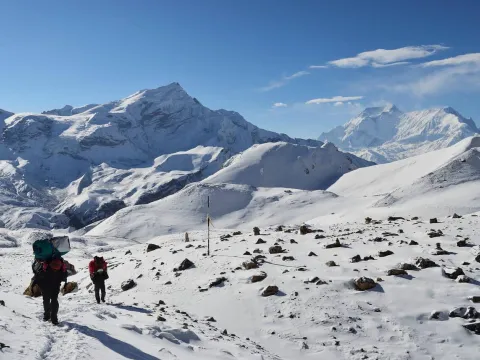
The Annapurna Circuit Trek is one of Nepal’s most iconic trekking adventures, offering a complete journey around the Annapurna Massif. This route passes through diverse landscapes—from subtropical forests and terraced fields to alpine meadows and high mountain deserts. The trek follows your itinerary starting from Kathmandu, gradually ascending through Syange, Dharapani, Chame, Pisang, Manang, and crossing the challenging Thorong La Pass before descending to Muktinath and further into the lower Mustang and Pokhara region.Organized by Himalayan Mantras, this trek is carefully designed to balance adventure, acclimatization, and cultural immersion. Trekkers experience Tibetan-influenced villages, ancient monasteries, and dramatic Himalayan scenery while circling Annapurna I (8,091m), one of the world’s highest peaks.Cross the famous Thorong La Pass (5,416m)Explore Manang Valley and Mustang landscapesVisit sacred Muktinath TempleExperience diverse ethnic cultures (Gurung, Thakali, Tibetan-influenced communities)Scenic drive and trekking combinationThis trek is not just a hike but a complete Himalayan expedition combining nature, spirituality, and cultural depth.Best Season for Annapurna Circuit TrekThe best time to complete the Annapurna Circuit Trek is during spring (March to May) and autumn (September to November). These seasons provide stable weather, clear mountain views, and safe trekking conditions. Spring brings blooming rhododendrons and warmer temperatures, while autumn offers crystal-clear skies after the monsoon season.Winter trekking is possible but challenging due to heavy snowfall at Thorong La Pass, while monsoon season (June to August) brings landslides and slippery trails in lower regions. Himalayan Mantras always recommends choosing peak trekking seasons for safety and optimal experience.Season Breakdown:Spring (Mar–May): Best for flowers and mild temperaturesAutumn (Sep–Nov): Best visibility and stable weatherWinter (Dec–Feb): Very cold, high pass may closeMonsoon (Jun–Aug): Wet, landslide risk, limited visibilityChoosing the right season ensures better acclimatization, safer crossing of high passes, and unforgettable Himalayan views.Annapurna Circuit Trek Difficulty and TransportationThe Annapurna Circuit Trek is considered a moderate to challenging trek due to its long duration, high altitude, and varied terrain. The most demanding section is crossing Thorong La Pass (5,416m), where the risk of altitude sickness is significant. Proper acclimatization days, such as in Manang, are essential for safety.Transportation plays a key role in this itinerary. The journey begins with sightseeing in Kathmandu, followed by an 8–10 hour drive to Syange/Jagat. After completing the trek, travelers descend to Tatopani, continue to Ghorepani and Ghandruk, and finally drive from Pokhara back to Kathmandu.Himalayan Mantras ensures well-managed logistics, including experienced guides, private/shared transport, and emergency support if required.Difficulty & Travel Points:Moderate to strenuous trek overallHigh altitude challenge above 4,000mThorong La Pass is physically demandingDaily walking: 5–8 hours averageMix of driving and trekking sectionsProper fitness preparation and pacing are essential for a successful trek.Food and Accommodation for Annapurna Circuit TrekFood and accommodation along the Annapurna Circuit are mainly provided by teahouses, which are simple mountain lodges run by local families. These teahouses offer basic but comfortable lodging with twin-sharing rooms, warm blankets, and shared bathrooms in most areas.Meals include a mix of Nepali and international dishes such as dal bhat (lentils and rice), noodles, pasta, soups, pancakes, and eggs. As altitude increases, food variety becomes more limited due to transportation challenges.Himalayan Mantras ensures trekkers are guided to hygienic and reliable teahouses, prioritizing safety and comfort throughout the journey.Food & Stay Highlights:Teahouse accommodation along the routeTraditional Nepali meals (dal bhat)Basic Western food options availableHot drinks (tea, coffee, soups) widely availableLimited luxury at higher elevationsWhile facilities are basic in remote areas like Yak Kharka or Thorong Phedi, the warm hospitality of local communities makes the experience memorable.Annapurna Circuit Trek PermitsTo complete the Annapurna Circuit Trek, trekkers must obtain two essential permits: the Annapurna Conservation Area Permit (ACAP) and the Trekkers’ Information Management System (TIMS) card. These permits are mandatory for all foreign trekkers and help regulate tourism and support conservation efforts.ACAP ensures environmental protection of the Annapurna region, while TIMS helps track trekkers for safety purposes. Both permits are easily arranged in Kathmandu or Pokhara, and trekking agencies like Himalayan Mantras usually handle the entire process for convenience.Required Permits:Annapurna Conservation Area Permit (ACAP)TIMS Card (Trekkers’ Information Management System)Passport copies and passport-size photos requiredFees vary depending on nationalityHaving the correct permits ensures smooth passage through checkpoints and contributes to sustainable trekking in Nepal’s protected regions.Why Choose Annapurna Circuit TrekThe Annapurna Circuit Trek is one of the most rewarding trekking experiences in the world because it combines natural beauty, cultural diversity, and high-altitude adventure in a single journey. Unlike shorter treks, it offers a full circuit experience around the Annapurna range, making it more immersive and varied.With professional organization by Himalayan Mantras, trekkers benefit from expert guides, safe itinerary planning, and personalized support throughout the journey. From lush valleys to icy mountain passes, every day brings a new landscape and cultural encounter.Why Choose This Trek:Complete Himalayan circuit experienceDiverse landscapes in one itineraryCultural immersion in mountain villagesCross one of the world’s highest passesWell-supported guided trekking experience
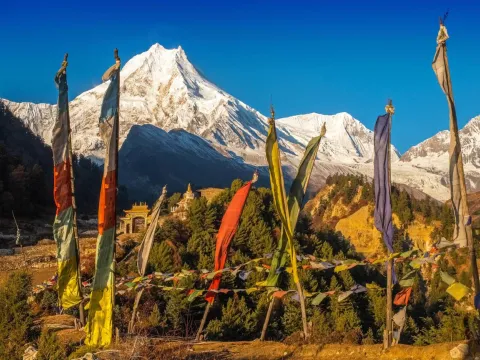
The Manaslu Circuit Trek is one of Nepal’s most spectacular and less-crowded trekking adventures, circling the majestic Mount Manaslu, the world's eighth-highest mountain at 8,163 meters. This remarkable journey takes trekkers through remote Himalayan landscapes, ancient Buddhist villages, deep river gorges, lush forests, and high mountain passes. Unlike the more commercial trekking routes in Nepal, the Manaslu region offers an authentic cultural experience where visitors can explore traditional lifestyles influenced by Tibetan Buddhism.The 16-day itinerary carefully combines cultural exploration, scenic trekking, and proper acclimatization. Starting from Kathmandu and progressing through Machha Khola, Jagat, Deng, Namrung, Sama Gaon, and Samdo, trekkers gradually gain altitude before crossing the challenging Larkya La Pass at 5,106 meters. The trek rewards adventurers with breathtaking mountain panoramas, including views of Manaslu, Himalchuli, Ngadi Chuli, and Ganesh Himal. Himalayan Mantras ensures a well-organized experience with professional guides, comfortable accommodations, and a focus on safety throughout the journey.Trek around Mount Manaslu (8,163m)Cross Larkya La Pass (5,106m)Explore authentic Tibetan-influenced villagesExperience diverse landscapes and ecosystemsLess crowded than Everest and Annapurna routesGuided adventure with Himalayan MantrasBest Season for Manaslu Circuit TrekThe best time to undertake the Manaslu Circuit Trek is during the spring (March to May) and autumn (September to November) seasons. During spring, the trails are decorated with blooming rhododendrons, colorful alpine flowers, and pleasant temperatures. The weather remains relatively stable, allowing trekkers to enjoy clear mountain views and comfortable trekking conditions. Wildlife activity is also more visible during this season, adding another dimension to the trekking experience.Autumn is considered the most popular trekking season because of its crystal-clear skies, dry weather, and outstanding visibility. Following the monsoon rains, the landscapes appear lush and vibrant, making the mountain scenery even more impressive. Winter trekking is possible but can be challenging due to snow accumulation around Larkya La Pass, while the monsoon season often brings heavy rainfall, slippery trails, and potential landslides.Best Seasons:Spring: March, April, MayAutumn: September, October, NovemberClear mountain viewsStable weather conditionsExcellent photography opportunitiesComfortable trekking temperaturesManaslu Circuit Trek Difficulty and TransportationThe Manaslu Circuit Trek is considered a moderately challenging to strenuous trek. Trekkers walk approximately 5 to 8 hours daily over varied terrain, including stone staircases, suspension bridges, forest trails, and high-altitude mountain paths. The highest point, Larkya La Pass at 5,106 meters, requires good physical fitness, mental determination, and proper acclimatization. Prior trekking experience is beneficial but not mandatory for individuals who maintain a good level of fitness and prepare adequately before the trip.Transportation for the trek begins with a scenic drive from Kathmandu to Machha Khola. The journey passes through beautiful countryside landscapes, terraced farmlands, and traditional settlements. At the end of the trek, travelers descend to Dharapani and drive to Besisahar before returning to Kathmandu. Himalayan Mantras arranges reliable private or shared transportation, ensuring a smooth and comfortable travel experience throughout the expedition.Difficulty & Transport:Moderate to challenging trekking routeMaximum altitude: 5,106mDaily walking: 5–8 hoursDrive from Kathmandu to Machha KholaReturn drive via BesisaharProfessional guides and logistical supportFood and Accommodation for Manaslu Circuit TrekFood and accommodation along the Manaslu Circuit are primarily provided through traditional teahouses operated by local families. These lodges offer simple yet comfortable rooms, usually with twin beds, blankets, and shared bathroom facilities. As the trek ascends to higher elevations, facilities become more basic, but the hospitality remains warm and welcoming. Staying in teahouses allows trekkers to connect with local communities and experience authentic Himalayan culture.Meals during the trek are nutritious and designed to provide energy for long trekking days. Popular menu items include Dal Bhat, noodles, fried rice, Tibetan bread, soups, pasta, momos, potatoes, and seasonal vegetables. Hot drinks such as tea, coffee, ginger tea, and lemon tea are widely available. Himalayan Mantras carefully selects quality lodges and dining facilities to ensure comfort and hygiene throughout the journey.Food & Accommodation:Traditional teahouse lodgingTwin-sharing roomsLocal and international mealsFreshly prepared foodVegetarian options availableAuthentic cultural experienceManaslu Circuit Trek PermitsThe Manaslu region is classified as a restricted area by the Government of Nepal, making permits mandatory for all trekkers. To enter the region, trekkers must obtain a Restricted Area Permit (RAP), a Manaslu Conservation Area Permit (MCAP), and an Annapurna Conservation Area Permit (ACAP). Additionally, a licensed guide is compulsory, and independent trekking is not permitted in the restricted section of the trail.Obtaining these permits can be a complex process for international visitors. Himalayan Mantras handles all permit arrangements, documentation, and government procedures on behalf of trekkers. This allows guests to focus entirely on their adventure while ensuring compliance with local regulations and conservation efforts.Required Permits:Restricted Area Permit (RAP)Manaslu Conservation Area Permit (MCAP)Annapurna Conservation Area Permit (ACAP)Licensed guide mandatoryPermit processing managed by Himalayan MantrasSupports regional conservation effortsWhy Choose Manaslu Circuit TrekThe Manaslu Circuit Trek is perfect for travelers seeking a genuine Himalayan adventure away from crowded trekking routes. The region combines stunning mountain scenery, rich cultural heritage, diverse ecosystems, and a challenging high-altitude crossing. From remote Buddhist monasteries and traditional villages to dramatic alpine landscapes, every day presents a unique and unforgettable experience.Choosing Himalayan Mantras for your Manaslu Circuit Trek ensures professional service, experienced guides, carefully planned itineraries, and dedicated customer support. The company prioritizes safety, responsible tourism, and personalized trekking experiences. With extensive local knowledge and a commitment to excellence, Himalayan Mantras helps trekkers create lasting memories while exploring one of Nepal’s most extraordinary trekking destinations.Why Trek with Himalayan Mantras:Experienced local trekking expertsLicensed and professional guidesWell-planned acclimatization scheduleReliable logistics and supportCommitment to safety and sustainabilityPersonalized customer serviceAuthentic Himalayan experiences
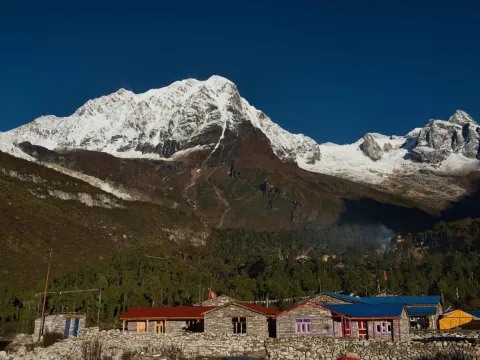
The Manaslu Tsum Valley Trek is one of Nepal’s most rewarding and culturally immersive trekking adventures. Organized by Himalayan Mantras, this remarkable journey combines the remote beauty of the Tsum Valley with the spectacular Manaslu Circuit, offering trekkers an unforgettable experience in the heart of the Himalayas. The trek begins with a scenic drive from Kathmandu to Machha Khola and gradually ascends through traditional villages, dense forests, deep river gorges, ancient monasteries, and breathtaking mountain landscapes.Tsum Valley, often called the “Hidden Valley of Happiness,” remained isolated from the outside world for centuries. The region is rich in Tibetan Buddhist culture, ancient traditions, and sacred monasteries such as Rachen Gompa and Mu Gompa. As the trek continues, adventurers join the classic Manaslu Circuit route, passing through Namrung, Lho, Samagaon, and Samdo before crossing the challenging Larkya La Pass (5,160m). The journey offers stunning views of Mount Manaslu (8,163m), the eighth-highest mountain in the world, along with numerous snow-capped Himalayan peaks.Exploring the secluded Tsum ValleyVisiting Rachen Gompa and Mu GompaExperiencing authentic Tibetan Buddhist cultureStunning views of Mount Manaslu and surrounding peaksCrossing the spectacular Larkya La Pass (5,160m)Diverse landscapes from subtropical forests to alpine terrainBest Season for Manaslu Tsum Valley TrekThe best seasons for the Manaslu Tsum Valley Trek are spring (March to May) and autumn (September to November). During these months, the weather is generally stable, the skies are clear, and trekkers can enjoy excellent mountain visibility. Spring brings colorful rhododendron blooms, lush forests, and moderate temperatures, creating ideal trekking conditions throughout the region.Autumn is considered the most popular trekking season due to its crystal-clear views, dry trails, and pleasant daytime temperatures. The monsoon rains have already cleared the atmosphere, resulting in spectacular panoramas of the Himalayan range. Villages along the route are lively during this period, allowing trekkers to experience local festivals and cultural celebrations.Seasonal advantages include:Clear mountain viewsStable weather conditionsComfortable trekking temperaturesExcellent photography opportunitiesBetter trail and pass conditionsRich cultural experiences during local festivalsManaslu Tsum Valley Trek Difficulty and TransportationThe Manaslu Tsum Valley Trek is considered a moderately challenging to strenuous trek. The route involves long trekking days, continuous ascents and descents, high-altitude terrain, and crossing the demanding Larkya La Pass at 5,160 meters. Previous trekking experience is beneficial, although physically fit beginners with proper preparation can complete the trek.Altitude is one of the primary challenges during this adventure. Himalayan Mantras carefully designs the itinerary with gradual elevation gain and an acclimatization day at Samagaon to help trekkers adjust safely. Good physical fitness, endurance, and mental determination are essential for completing the trek comfortably.Transportation begins with a scenic drive from Kathmandu to Machha Khola and concludes with a drive back to Kathmandu from Dharapani. These overland journeys provide excellent opportunities to witness Nepal’s rural landscapes, river valleys, and hillside settlements before and after the trek.Difficulty and transport facts:Moderate to strenuous trekking gradeMaximum altitude: Larkya La Pass (5,160m)Daily trekking: 5–8 hours on averageAcclimatization day includedRoad transfer Kathmandu–Machha KholaRoad transfer Dharapani–KathmanduFood and Accommodation for Manaslu Tsum Valley TrekThroughout the trek, accommodation is provided in local teahouses and lodges that offer simple yet comfortable facilities. Rooms are generally twin-sharing and provide basic bedding. As the trail reaches higher elevations, facilities become more basic, reflecting the remoteness of the region. Despite this, the warm hospitality of local communities creates a welcoming atmosphere for trekkers.Food options along the trail are nutritious and designed to support trekkers during long walking days. Popular meals include Dal Bhat, noodles, fried rice, soups, potatoes, Tibetan bread, pancakes, eggs, and seasonal vegetables. Tea houses also serve hot beverages such as tea, coffee, and hot lemon drinks that help trekkers stay warm in higher elevations.Food and accommodation features:Comfortable local teahousesTwin-sharing room arrangementsTraditional Nepali and Tibetan mealsFreshly prepared food along the routeVegetarian options widely availableWarm hospitality from local familiesManaslu Tsum Valley Trek PermitsSince the Manaslu and Tsum Valley regions are protected and restricted areas, trekkers must obtain several permits before starting the journey. These regulations help preserve the region’s natural environment, cultural heritage, and unique traditions. Himalayan Mantras assists trekkers with all necessary permit arrangements to ensure a smooth and hassle-free trekking experience.The required permits typically include the Manaslu Restricted Area Permit (RAP), Tsum Valley Restricted Area Permit, Manaslu Conservation Area Permit (MCAP), and Annapurna Conservation Area Permit (ACAP). Trekking in this region also requires a registered guide and a minimum of two trekkers according to government regulations.Required permits:Manaslu Restricted Area Permit (RAP)Tsum Valley Restricted Area PermitManaslu Conservation Area Permit (MCAP)Annapurna Conservation Area Permit (ACAP)Licensed guide requirementCompliance with restricted-area regulationsWhy Choose Manaslu Tsum Valley TrekThe Manaslu Tsum Valley Trek offers a perfect blend of adventure, culture, spirituality, and Himalayan scenery. Unlike more crowded trekking routes in Nepal, this trek provides a peaceful and authentic mountain experience. Trekkers can explore hidden valleys, ancient monasteries, traditional villages, and pristine landscapes while enjoying close interactions with local communities.Choosing Himalayan Mantras for your Manaslu Tsum Valley Trek ensures professional service, experienced guides, personalized attention, and a strong commitment to safety. The company focuses on delivering memorable trekking experiences while promoting responsible tourism and supporting local communities. With carefully planned itineraries, knowledgeable staff, and exceptional customer care, Himalayan Mantras helps trekkers discover the true beauty of the Manaslu and Tsum Valley region.Reasons to choose this trek:Remote and less crowded trekking routeUnique Tibetan Buddhist cultureSpectacular Himalayan mountain viewsRich spiritual and historical heritageExciting high-altitude adventureProfessional support from Himalayan MantrasSafe and well-planned itineraryAuthentic local experiences
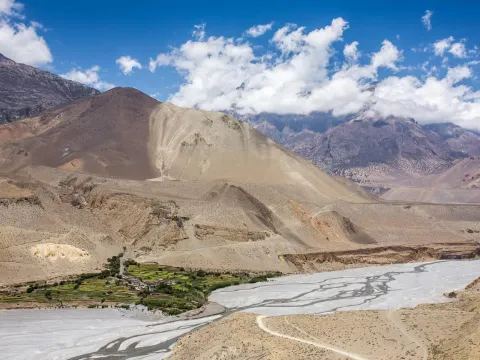
The Upper Mustang Trek is one of Nepal’s most fascinating and culturally rich trekking adventures, taking travelers into the hidden kingdom of Mustang. Located in the rain-shadow region of the Annapurna and Dhaulagiri ranges, Upper Mustang offers a unique landscape of barren cliffs, colorful rock formations, deep canyons, and ancient Tibetan-influenced settlements. Unlike many trekking destinations in Nepal, the region receives very little rainfall, making it an excellent destination even during the monsoon season.This remarkable 16-day journey begins in Kathmandu before traveling to Pokhara and flying to Jomsom, the gateway to Mustang. The trek follows an ancient salt-trading route through traditional villages such as Kagbeni, Chele, Syangmoche, Ghami, and Charang before reaching the walled city of Lo Manthang. The capital of the former Kingdom of Mustang preserves centuries-old monasteries, royal palaces, unique traditions, and a way of life deeply connected to Tibetan culture.One of the highlights of the trek is the exploration of the mysterious Chhoser Caves near Lo Manthang. These ancient cave systems carved into cliffs offer insight into the region’s rich history and archaeological significance. Throughout the journey, trekkers enjoy spectacular views of Nilgiri, Annapurna, Dhaulagiri, and other Himalayan peaks while experiencing the warm hospitality of local communities.Himalayan Mantras carefully designs this trek to provide a perfect balance of adventure, cultural immersion, and comfort. Whether you are interested in history, photography, nature, or cultural exploration, the Upper Mustang Trek delivers an unforgettable Himalayan experience unlike any other trekking route in Nepal.Explore the ancient Kingdom of MustangVisit the historic walled city of Lo ManthangDiscover the famous Chhoser CavesExperience authentic Tibetan culture and traditionsTrek through dramatic desert-like Himalayan landscapesEnjoy stunning mountain views throughout the journeyBest Season for Upper Mustang TrekOne of the major advantages of the Upper Mustang Trek is that it can be undertaken during a longer trekking season compared to many other regions of Nepal. Since Upper Mustang lies in a rain-shadow area beyond the Annapurna and Dhaulagiri mountain ranges, it remains relatively dry even when other trekking routes experience heavy monsoon rainfall. This unique geographical feature makes Upper Mustang a special destination for travelers seeking trekking opportunities during different times of the year.The best seasons for the Upper Mustang Trek are spring (March to May) and autumn (September to November). During spring, the weather remains stable with moderate temperatures and clear skies. Trekkers can enjoy colorful landscapes, blooming vegetation in lower regions, and excellent mountain views. The days are generally warm and comfortable for walking, while evenings are pleasantly cool.Autumn is equally popular due to its crystal-clear visibility, dry conditions, and stable weather patterns. Following the monsoon season, the air becomes exceptionally clean, creating breathtaking panoramic views of the surrounding Himalayan peaks. Cultural festivals celebrated in Mustang during autumn can also provide travelers with a deeper understanding of local traditions and customs.Interestingly, Upper Mustang is also one of Nepal’s best trekking destinations during the monsoon months of June, July, and August. While much of Nepal receives significant rainfall, Mustang remains relatively dry, attracting trekkers who want to avoid crowded trails and enjoy peaceful trekking conditions.Best Trekking SeasonsSpring (March–May): Pleasant temperatures and clear viewsSummer/Monsoon (June–August): Dry conditions due to rain-shadow locationAutumn (September–November): Best visibility and stable weatherWinter (December–February): Cold temperatures, fewer trekkersExcellent destination for photography throughout most of the yearSuitable for cultural exploration and sightseeingUpper Mustang Trek Difficulty and TransportationThe Upper Mustang Trek is considered a moderately challenging trek suitable for individuals with a reasonable level of fitness and a passion for adventure. Unlike some high-altitude trekking routes that involve technical climbing, the Upper Mustang Trek follows established trails through valleys, villages, and mountain passes. However, trekkers should be prepared for multiple days of walking, varying terrain, and gradual altitude gain throughout the journey.Daily trekking hours generally range from 4 to 7 hours, depending on the itinerary. The highest overnight elevation is around Lo Manthang and nearby areas, reaching approximately 3,800 meters. While the altitude is lower than many popular Himalayan trekking regions, proper acclimatization and a steady pace remain important. Trekkers should engage in light physical preparation before the trip, including walking, hiking, or cardiovascular exercises to improve endurance.Transportation is a significant part of the Upper Mustang adventure. The journey starts with a scenic drive from Kathmandu to Pokhara, followed by a spectacular mountain flight from Pokhara to Jomsom. This short flight offers incredible aerial views of the Annapurna and Dhaulagiri ranges. From Jomsom, the trekking portion begins and continues through the remote landscapes of Upper Mustang before returning to Jomsom for the flight back to Pokhara.Himalayan Mantras arranges all transportation logistics, including private transfers, domestic flights, and trekking support services. Our experienced guides ensure that travelers enjoy a safe, organized, and comfortable journey throughout the trek.Difficulty & Transportation FactsModerate trekking difficultyNo technical climbing requiredDaily walking: 4–7 hoursMaximum elevation around 3,800 metersScenic Kathmandu–Pokhara driveMountain flight between Pokhara and JomsomSuitable for trekkers with average fitness levelsFood and Accommodation for Upper Mustang TrekThe Upper Mustang Trek offers a rewarding cultural experience not only through its landscapes and traditions but also through its local food and accommodation facilities. Although the region is remote, trekkers can enjoy comfortable teahouses and lodges that provide essential services throughout the journey. Over the years, tourism development has improved accommodation standards while maintaining the authentic character of the Mustang region.Accommodation during the trek is generally provided in family-run teahouses and guesthouses. Rooms are simple, clean, and comfortable, usually featuring twin beds with blankets. In larger villages such as Kagbeni, Ghami, Charang, and Lo Manthang, facilities may include attached bathrooms, hot showers, and dining areas, depending on availability. Staying in local lodges allows trekkers to interact closely with residents and gain deeper insight into their culture and lifestyle.Food options are surprisingly diverse considering the remote location. Most teahouses offer a menu that includes traditional Nepali dishes as well as Tibetan and international cuisine. Dal Bhat, Nepal’s famous rice and lentil meal, is the most popular choice due to its nutritional value and unlimited refills in many lodges. Trekkers can also enjoy noodles, soups, fried rice, momos, Tibetan bread, pancakes, pasta, potatoes, tea, coffee, and seasonal vegetables.Himalayan Mantras carefully selects reliable accommodations and dining establishments to ensure guests receive hygienic meals and comfortable lodging throughout the trek. Maintaining proper hydration and balanced nutrition is essential at higher elevations, and our guides assist trekkers in making healthy food choices during the journey.Food & Accommodation HighlightsComfortable local teahouses and lodgesTraditional Nepali and Tibetan cuisinePopular meal: Dal BhatTea, coffee, soups, and snacks are availableWarm hospitality from local familiesHygienic meal arrangements by Himalayan MantrasAn authentic cultural experience in every villageUpper Mustang Trek PermitsUpper Mustang is a protected and restricted area of Nepal, making special trekking permits mandatory for all foreign visitors. These permit regulations help preserve the region’s unique culture, environment, and historical heritage while ensuring sustainable tourism practices. Trekkers are required to travel through a registered trekking company and be accompanied by a licensed guide.The primary permit required for the Upper Mustang Trek is the Restricted Area Permit (RAP). This permit is issued by the Government of Nepal and covers travel within the designated Upper Mustang region. In addition, trekkers must obtain the Annapurna Conservation Area Permit (ACAP), which supports conservation efforts and environmental management throughout the Annapurna region.Permit regulations can change periodically according to government policies. Therefore, it is essential to obtain updated information before planning your trek. Himalayan Mantras handles all permit arrangements on behalf of trekkers, ensuring a smooth and hassle-free process. Our team assists with documentation, application procedures, and coordination with relevant authorities.The permit system also contributes to preserving the unique cultural identity of Mustang. Because visitor numbers are controlled, trekkers enjoy a less crowded experience compared to other popular trekking routes in Nepal. This helps maintain the authenticity of local communities and protects centuries-old traditions that continue to thrive in the region.Required PermitsRestricted Area Permit (RAP)Annapurna Conservation Area Permit (ACAP)Licensed guide requiredTrekking through a registered company is mandatoryPassport and photographs requiredPermit assistance provided by Himalayan MantrasSupports conservation and cultural preservationWhy Choose Upper Mustang Trek with Himalayan MantrasChoosing the right trekking company can significantly enhance your experience in the Himalayas. Himalayan Mantras is committed to delivering professionally organized, safe, and memorable trekking adventures throughout Nepal. Our Upper Mustang Trek package is designed to provide travelers with an authentic cultural experience while maintaining high standards of safety, comfort, and service.Our experienced local guides possess extensive knowledge of the Mustang region, including its history, culture, traditions, and trekking routes. They ensure that trekkers not only reach their destinations safely but also gain meaningful insights into the unique heritage of the former Kingdom of Mustang. From ancient monasteries and traditional villages to hidden caves and spectacular viewpoints, our guides enrich every step of the journey.Himalayan Mantras handles all logistics, including permits, transportation, accommodation, domestic flights, and trekking support. This allows travelers to focus entirely on enjoying their adventure without worrying about complicated travel arrangements. We prioritize personalized service, responsible tourism, and environmental sustainability while supporting local communities throughout the region.With years of experience in Himalayan trekking and a strong commitment to customer satisfaction, Himalayan Mantras has earned the trust of travelers from around the world. Whether you are a solo traveler, couple, family, or group, we strive to create unforgettable experiences that showcase the very best of Nepal’s hidden Himalayan treasures.Why Himalayan Mantras?Experienced local trekking guidesComplete permit and logistics managementSafe and professionally organized itinerariesAuthentic cultural experiencesReliable accommodation and transportationPersonalized customer serviceCommitment to responsible tourismTrusted Himalayan trekking specialists