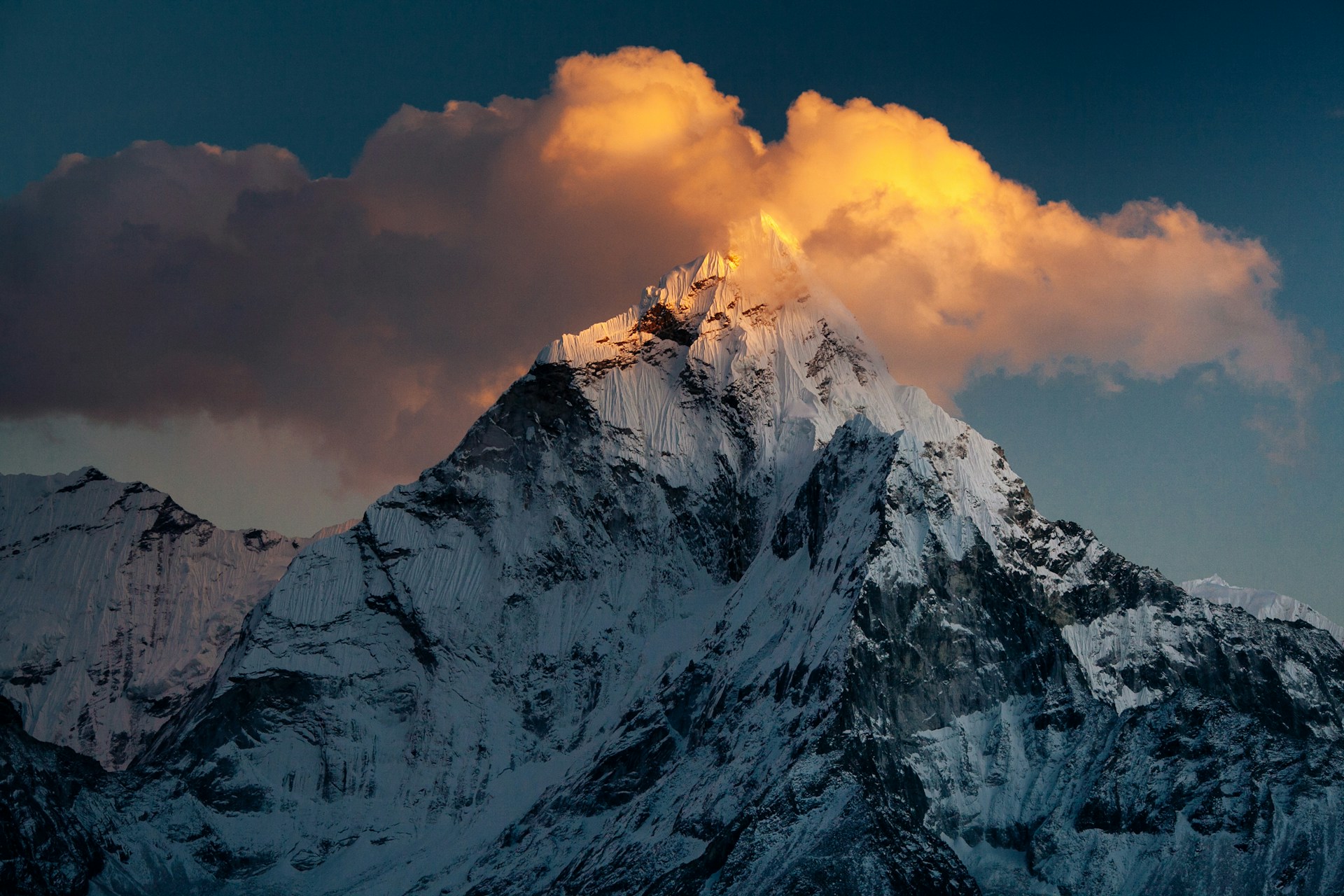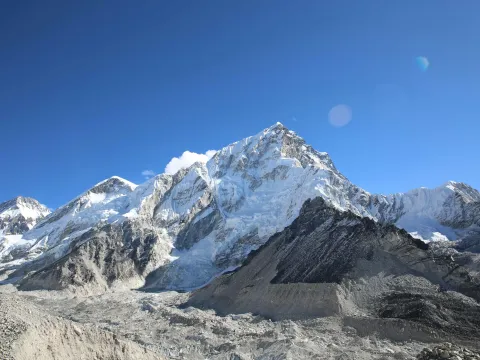
The Everest Base Camp Trek is one of the most iconic trekking adventures in the world, leading you deep into the heart of the Khumbu region of Nepal. Organized by Himalayan Mantras, this journey takes you through dramatic Himalayan landscapes, traditional Sherpa villages, ancient monasteries, and finally to the base of the world’s highest peak, Mount Everest (8,848.86 m). The trek follows a well-established route passing through key destinations such as Lukla, Namche Bazaar, Tengboche, Dingboche, Lobuche, and Gorak Shep before reaching the legendary Everest Base Camp.This 15-day itinerary is carefully designed to ensure proper acclimatization, safety, and maximum scenic enjoyment. Himalayan Mantras focuses on guided support, cultural immersion, and responsible trekking practices, ensuring travelers experience both natural beauty and Himalayan hospitality.The trek is not only about reaching Everest Base Camp but also about experiencing the spiritual and cultural richness of the Khumbu region. From monasteries like Tengboche Monastery to panoramic viewpoints such as Kala Patthar, every day brings a new perspective of the Himalayas.Trek to Everest Base Camp (5,364 m)Sunrise view from Kala PattharSherpa culture and monasteriesScenic flights to/from LuklaAcclimatization days in Namche & DingbocheGuided support by Himalayan MantrasBest Season for Everest Base Camp TrekThe best seasons for the Everest Base Camp Trek are spring (March–May) and autumn (September–November). During these periods, weather conditions are stable, skies are clear, and mountain visibility is at its best. Spring offers blooming rhododendrons and slightly warmer temperatures, while autumn provides crisp air and excellent visibility of peaks like Everest, Lhotse, and Ama Dablam.Winter (December–February) is also possible but extremely cold, especially at higher elevations like Gorak Shep and Lobuche. Monsoon season (June–August) is generally avoided due to heavy rainfall, flight delays to Lukla, and slippery trails.Himalayan Mantras carefully schedules departures in peak seasons to ensure optimal trekking conditions, safety, and maximum enjoyment of Himalayan scenery.Season breakdown:Spring (Mar–May): Best for flowers & moderate weatherAutumn (Sep–Nov): Best visibility & stable climateWinter (Dec–Feb): Cold but less crowdedMonsoon (Jun–Aug): Not recommended due to rain & flightsEverest Base Camp Trek Difficulty and TransportationThe Everest Base Camp Trek is considered moderate to challenging, mainly due to high altitude rather than technical climbing difficulty. The trail involves long walking days (5–7 hours on average), steep ascents, rocky paths, and thin air above 3,500 meters. However, no technical mountaineering skills are required, making it achievable for fit trekkers with proper preparation.Transportation begins with a scenic yet adventurous flight from Kathmandu to Lukla, landing at the famous Tenzing-Hillary Airport. From there, the trek proceeds on foot through villages like Phakding and Namche Bazaar. Return transportation follows the same route, with a flight back to Kathmandu at the end of the journey.Altitude sickness is the main challenge, especially beyond Dingboche and Lobuche. Himalayan Mantras includes acclimatization days and experienced guides to ensure safety.Difficulty & transport highlights:Moderate–challenging trekking grade5–7 hours walking dailyScenic but weather-dependent flights to LuklaHigh-altitude risk management includedNo technical climbing requiredFood and Accommodation for Everest Base Camp TrekAccommodation along the Everest Base Camp route consists mainly of teahouses, which are simple mountain lodges run by local families. Rooms are basic, typically twin-sharing with shared bathrooms at lower elevations like Phakding and Namche Bazaar. As altitude increases toward Gorak Shep, facilities become more basic due to remote conditions.Food is hearty and designed to provide energy for trekking. Common meals include dal bhat (rice and lentils), noodles, pasta, soups, potatoes, and Tibetan bread. Himalayan Mantras ensures hygienic food arrangements and recommends high-calorie diets for altitude adaptation.At higher elevations like Lobuche, food variety reduces but remains sufficient for trekking needs. Hot drinks such as tea, coffee, and ginger lemon honey are widely available and help with hydration and warmth.Accommodation & food highlights:Teahouse lodging throughout trekBasic rooms, shared bathrooms at higher altitudeNutritious local meals (dal bhat recommended)Limited menu at higher elevationsSafe, hygienic arrangements by Himalayan MantrasEverest Base Camp Trek PermitsTo undertake the Everest Base Camp Trek, trekkers must obtain several official permits. These are required to enter the Khumbu region and ensure environmental conservation and local regulation compliance. Himalayan Mantras handles all permit arrangements for a smooth trekking experience.The main permits include the Khumbu Pasang Lhamu Rural Municipality Permit and the Sagarmatha National Park Entry Permit. These permits are checked at various points along the trail, especially near Monjo before entering protected areas.All permits are typically arranged in Kathmandu before flying to Lukla. Proper documentation ensures hassle-free trekking and supports local infrastructure and conservation efforts.Required permits:Sagarmatha National Park PermitKhumbu Pasang Lhamu Rural Municipality PermitTIMS card (in some cases, depending on regulations)Arranged by Himalayan Mantras before departureWhy Choose Everest Base Camp Trek with Himalayan MantrasChoosing the Everest Base Camp Trek with Himalayan Mantras ensures a professionally organized, safe, and culturally immersive Himalayan experience. The company focuses on responsible tourism, experienced guides, and personalized service, making the journey both comfortable and meaningful.From arrival in Kathmandu to the final farewell dinner, every step is carefully planned. Himalayan Mantras provides expert trekking guides, porter support, emergency assistance, and acclimatization-focused itineraries. The journey through places like Namche Bazaar, Tengboche, and Dingboche is enriched with cultural insights and local interaction.This trek is not just about reaching Everest Base Camp, but about experiencing the Himalayas deeply and safely.Why choose Himalayan Mantras:Experienced and certified trekking guidesSafety-focused acclimatization itineraryFull logistics (permits, flights, accommodation)Cultural immersion with local communitiesEmergency support and first aid readinessEthical and responsible trekking practices
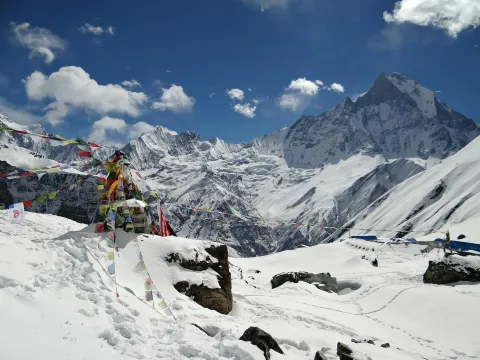
The Annapurna Base Camp Trek operated by Himalayan Mantras is one of Nepal’s most iconic Himalayan journeys, combining cultural immersion with dramatic alpine landscapes. The route gradually ascends from the bustling valleys of Kathmandu and the lakeside charm of Pokhara into the heart of the Annapurna Sanctuary. This natural amphitheater is surrounded by towering peaks such as Annapurna I, Machhapuchhre, and Hiunchuli, culminating at Annapurna Base Camp at 4,130 meters.The 13-day itinerary is designed to balance adventure and acclimatization. Trekkers pass through traditional Gurung villages, rhododendron forests, and river valleys while experiencing authentic Himalayan hospitality. Key stops such as Ghandruk, Chomrong, and Deurali provide gradual altitude gain and cultural depth.Scenic drive from Kathmandu to PokharaCultural village experience in GhandrukHimalayan sanctuary experience at ABCHot springs at Jhinu DandaDiverse terrain: forests, rivers, glaciersBest Season for Annapurna Base Camp TrekThe best seasons for the Annapurna Base Camp Trek with Himalayan Mantras are spring (March–May) and autumn (September–November). During these months, the weather is stable, skies are clear, and mountain views are at their most spectacular. Spring brings blooming rhododendrons across trails between Nayapul and Ghandruk, while autumn offers crisp air and excellent visibility of the Annapurna range.Winter (December–February) is also possible but colder, especially near higher camps like Annapurna Base Camp. Snow may block trails beyond Deurali. Monsoon season (June–August) is least recommended due to heavy rainfall, leeches, and slippery trails, particularly in forested sections near Chomrong and lower villages.Seasonal highlights:Spring: rhododendron forests bloomAutumn: clearest mountain viewsWinter: quiet trails, snow sceneryMonsoon: lush greenery but risky trailsEach season offers a different personality of the Himalayas, and Himalayan Mantras helps tailor the trek depending on your comfort and preference.Annapurna Base Camp Trek Difficulty and TransportationThe Annapurna Base Camp Trek is considered a moderate-level trek, suitable for beginners with good fitness as well as experienced hikers. The daily walking duration ranges from 5 to 7 hours, with gradual altitude gain as trekkers move from Chomrong to higher elevations like Dovan and Deurali before reaching Annapurna Base Camp. The main challenge is altitude and continuous uphill sections rather than technical climbing.Transportation is well-managed by Himalayan Mantras, ensuring smooth transfers throughout the journey. The trip begins with arrival in Kathmandu, followed by a tourist bus or private vehicle ride to Pokhara. From there, a scenic drive reaches Nayapul, the trek starting point. After completing the trek, the return journey follows the same route back to Kathmandu.Difficulty breakdown:Moderate fitness required5–7 hours of trekking dailyGradual altitude gainNo technical climbing skills neededThe weather can affect trail conditionsTransport highlights:Tourist bus Kathmandu–PokharaJeep/taxi Pokhara–NayapulReturn drive after trek completionFood and Accommodation for Annapurna Base Camp TrekAccommodation along the Annapurna Base Camp route is primarily in local teahouses, offering simple but comfortable lodging. Managed through Himalayan Mantras, trekkers stay in twin-sharing rooms with basic bedding facilities. In villages like Ghandruk, Chomrong, and Bamboo, teahouses provide warm hospitality and traditional Nepali service.Food is freshly prepared and includes a mix of Nepali and international dishes. The most common and recommended meal is Dal Bhat (rice, lentils, vegetables), which provides high energy for trekking days. Higher up near Deurali and Annapurna Base Camp, food options become simpler due to remoteness, but are still nutritious and filling.Food and accommodation features:Teahouse lodging throughout the trekTwin-sharing basic roomsHot meals (Dal Bhat, noodles, soups, pasta)Vegetarian options widely availableSafe drinking water available (boiled or filtered)Key comfort notes:Heating limited at higher altitudesCharging facilities available for small feesHot showers in the lower villagesCozy communal dining areasHimalayan Mantras ensures clean, safe, and pre-arranged accommodations throughout the trek.Annapurna Base Camp Trek PermitsTo complete the Annapurna Base Camp Trek, trekkers require official permits regulated under Nepal’s trekking system. Himalayan Mantras handles all documentation in advance to ensure a smooth journey without administrative delays.The two main permits required are the Annapurna Conservation Area Permit (ACAP) and the Trekkers’ Information Management System (TIMS) card. These permits are checked at multiple points, especially around entry routes such as Nayapul and village checkpoints like Chomrong.Permit details:ACAP (Annapurna Conservation Area Permit)TIMS Card (Trekkers’ safety registration)A passport copy is required for processingPassport-size photos neededWhy permits matter:Supports conservation efforts in the Annapurna regionFunds local community developmentEnsures trekker safety trackingRegulates trekking traffic in sensitive zonesHimalayan Mantras includes all permit arrangements in the package cost, ensuring trekkers can focus entirely on the journey from Pokhara to Annapurna Base Camp without logistical concerns.Why Choose Annapurna Base Camp Trek with Himalayan MantrasThe Annapurna Base Camp Trek is not just a hike—it is a full Himalayan experience, and Himalayan Mantras enhances this journey with professional guidance, safety, and personalized service. The route from Kathmandu to Annapurna Base Camp offers a perfect blend of nature, culture, and adventure, making it ideal for both first-time and experienced trekkers.One of the key advantages of choosing Himalayan Mantras is their attention to acclimatization, comfort, and cultural immersion. The itinerary includes important rest points in villages like Ghandruk and Jhinu Danda, where trekkers can enjoy natural hot springs and local hospitality. The experienced guides ensure safety in challenging sections near Deurali and above.Key reasons to choose this trek:Expert local guides and portersFully organized logistics and permitsBalanced itinerary with acclimatizationAuthentic cultural village experienceSafe and reliable support systemAdditional benefits:Small group experienceFlexible itinerary optionsEmergency support and communicationHigh success rate to ABC summitWith Himalayan Mantras, the Annapurna Base Camp Trek becomes more than a destination—it becomes a deeply personal Himalayan journey filled with memories, landscapes, and cultural connections.
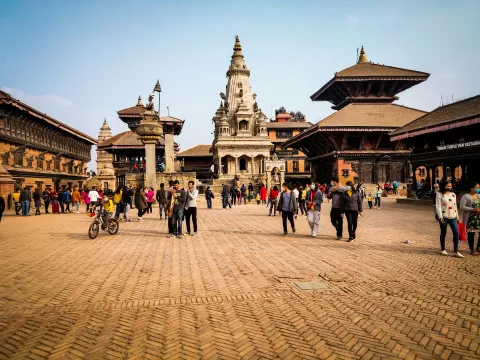
The Kathmandu Valley Cultural Tour by Himalayan Mantras is a carefully designed journey that introduces travelers to the rich cultural heritage, spiritual traditions, and historical treasures of Nepal. This immersive tour takes visitors through the heart of the Kathmandu Valley, where ancient temples, sacred stupas, medieval palaces, and vibrant local communities showcase centuries of artistic and religious excellence. Ideal for culture enthusiasts, history lovers, photographers, and first-time visitors to Nepal, this tour offers a perfect blend of sightseeing, cultural experiences, and relaxation.During this five-day adventure, guests explore some of Nepal’s most iconic UNESCO World Heritage Sites, including Pashupatinath Temple, Boudhanath Stupa, Patan Durbar Square, Bhaktapur Durbar Square, and Swayambhunath Stupa. Each destination reveals a unique aspect of Nepal’s diverse cultural identity, from Hindu spirituality and Buddhist traditions to Newari architecture and ancient craftsmanship. Visitors can witness sacred rituals, admire intricate wood carvings, explore historic courtyards, and gain valuable insights into the traditions that continue to shape Nepalese society today.The tour also includes a memorable visit to Nagarkot, one of the most popular hill stations near Kathmandu. Renowned for its spectacular Himalayan views, Nagarkot provides a refreshing escape from the city and offers stunning sunrise and sunset panoramas over snow-capped mountain peaks. Combined with authentic Nepali cuisine, cultural performances, local market exploration, and warm hospitality, this tour creates a truly enriching travel experience.Traditional Nepali welcome dinner with cultural showVisit UNESCO World Heritage SitesExplore Pashupatinath Temple and Boudhanath StupaDiscover Patan Durbar Square and Bhaktapur Durbar SquareScenic excursion to NagarkotPanoramic Himalayan mountain viewsShopping and cultural exploration in ThamelProfessional tour guidance and comfortable transportationAuthentic cultural experiences throughout the journeyBest Season for Kathmandu Valley Cultural TourThe Kathmandu Valley Cultural Tour can be enjoyed throughout the year; however, the most favorable seasons are spring (March to May) and autumn (September to November). During these months, visitors experience pleasant temperatures, clear skies, and excellent visibility for sightseeing and mountain views. Spring brings blooming flowers, colorful landscapes, and comfortable weather, making it ideal for exploring heritage sites and enjoying outdoor cultural activities. The valley comes alive with vibrant festivals and celebrations that offer travelers additional opportunities to experience local traditions.Autumn is considered the peak travel season in Nepal due to its stable weather conditions and crystal-clear mountain panoramas. Following the monsoon season, the atmosphere becomes exceptionally fresh and clean, allowing visitors to enjoy breathtaking views from Nagarkot and other viewpoints around the valley. Cultural festivals such as Dashain and Tihar often occur during this period, providing a deeper understanding of Nepalese customs, family traditions, and religious practices.Winter (December to February) is also suitable for cultural tours, particularly for travelers who prefer fewer crowds and cooler temperatures. Although mornings and evenings can be chilly, daytime sightseeing remains comfortable. The summer monsoon season (June to August) brings lush green scenery and fewer tourists, but occasional rainfall may affect outdoor activities and mountain visibility.Recommended Travel SeasonsSpring (March–May): Pleasant weather and blooming landscapesAutumn (September–November): Best mountain views and festival seasonWinter (December–February): Fewer tourists and comfortable sightseeingMonsoon (June–August): Green scenery and a peaceful travel experienceReasons Why Choose Kathmandu Valley Cultural TourChoosing the Kathmandu Valley Cultural Tour with Himalayan Mantras means experiencing Nepal beyond ordinary sightseeing. This tour has been thoughtfully designed to provide travelers with meaningful cultural encounters, historical exploration, spiritual discovery, and memorable local experiences. Whether you are visiting Nepal for the first time or returning to learn more about its heritage, this journey offers exceptional value and authentic experiences.The combination of UNESCO World Heritage Sites, traditional communities, religious landmarks, Himalayan viewpoints, and local cultural activities creates a well-rounded itinerary suitable for travelers of all ages. Every day introduces a new aspect of Nepal’s fascinating identity while maintaining a comfortable pace that allows guests to fully appreciate each destination.1. Explore UNESCO World Heritage SitesVisit Nepal’s most significant cultural landmarks, including ancient temples, stupas, palaces, and historical monuments recognized globally for their cultural importance.2. Experience Authentic Nepalese CultureEnjoy traditional cuisine, cultural performances, local festivals, artisan workshops, and daily life experiences that reveal Nepal’s rich cultural diversity.3. Discover Hindu and Buddhist HeritageExplore sacred sites that represent centuries of spiritual traditions and learn about the harmonious coexistence of Nepal’s major religions.4. Enjoy Spectacular Himalayan ViewsWitness unforgettable mountain panoramas from Nagarkot, one of the finest viewpoints near Kathmandu Valley.5. Travel with Expert Local SupportHimalayan Mantras provides experienced guides, reliable transportation, personalized service, and knowledgeable local assistance throughout the journey.6. Perfect Balance of Culture and ComfortThe tour combines historical exploration, spiritual experiences, scenic landscapes, leisure time, and comfortable accommodations, ensuring a rewarding and relaxing holiday experience.With Himalayan Mantras, the Kathmandu Valley Cultural Tour becomes more than just a vacation—it becomes a journey into the living heritage, spirituality, and timeless beauty of Nepal, leaving travelers with lasting memories and a deeper appreciation of this remarkable Himalayan nation.
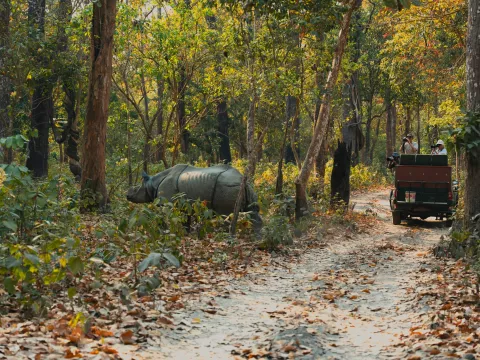
The Chitwan Wildlife Adventure Tour by Himalayan Mantras is a remarkable journey into the heart of Nepal’s most famous wildlife sanctuary, Chitwan National Park. This four-day adventure combines thrilling jungle activities, breathtaking natural scenery, and authentic cultural experiences, making it one of the most rewarding wildlife tours in Nepal. Located in the subtropical Terai region, Chitwan National Park is recognized as a UNESCO World Heritage Site and is renowned for its rich biodiversity, dense forests, grasslands, wetlands, and diverse wildlife habitats.The tour begins with a scenic drive from Kathmandu through beautiful hills, rivers, and traditional villages before reaching the wilderness of Chitwan. During the journey, travelers experience the transition from Nepal’s mountainous landscapes to the lush plains of southern Nepal. Upon arrival, guests are welcomed by the warm hospitality of the local community and introduced to the exciting activities planned for the following days.Throughout the tour, visitors enjoy a variety of wildlife experiences including canoe rides, jungle walks, birdwatching excursions, jeep safaris, and cultural interactions with the indigenous Tharu community. The park is home to endangered species such as the one-horned rhinoceros, Bengal tiger, gharial crocodile, sloth bear, wild elephant, and over 500 species of birds. Every activity is guided by experienced naturalists who provide valuable insights into the park’s ecosystem and conservation efforts.Scenic drive between Kathmandu and ChitwanCanoe ride on the Rapti RiverExciting jeep safari and jungle explorationBirdwatching opportunities with expert guidesWildlife encounters, including rhinos and crocodilesTraditional Tharu cultural dance performanceVisit to an authentic Tharu villageComfortable lodge accommodationProfessional guidance from Himalayan MantrasBest Season for Chitwan Wildlife Adventure TourThe best time to enjoy the Chitwan Wildlife Adventure Tour is from October to March, when the weather remains pleasant, dry, and ideal for wildlife viewing. During these months, temperatures are comfortable, visibility is excellent, and animals frequently gather around water sources, increasing the chances of sightings. The cool mornings and evenings are particularly enjoyable for jeep safaris, jungle walks, and birdwatching activities.Another favorable period is from March to May, when the grasslands become thinner due to the dry season, making wildlife easier to spot. Although temperatures are warmer, this season provides excellent opportunities to see rhinos, deer, crocodiles, and occasionally Bengal tigers. The monsoon season from June to September brings heavy rainfall, lush greenery, and fewer visitors, but some safari routes may become inaccessible due to weather conditions.Recommended Travel SeasonsOctober to December: Clear skies and excellent wildlife viewingJanuary to March: Pleasant temperatures and birdwatching seasonMarch to May: Increased wildlife visibilityJune to September: Green landscapes with fewer touristsFood and AccommodationHimalayan Mantras carefully selects quality lodges and jungle resorts that offer comfort, hospitality, and convenient access to park activities. Guests stay in well-maintained rooms equipped with modern amenities while enjoying peaceful surroundings close to nature. The accommodations provide a perfect balance between comfort and an authentic jungle experience.Food during the tour includes a variety of Nepali, Asian, and international dishes prepared using fresh ingredients. Guests can enjoy traditional Nepali meals, local Tharu specialties, seasonal vegetables, rice, lentils, curries, grilled items, and continental options. Vegetarian and special dietary requirements can also be arranged upon request.Food and Accommodation FeaturesComfortable jungle lodge or resort stayPrivate rooms with modern facilitiesDaily breakfast, lunch, and dinnerTraditional Nepali and Tharu cuisineVegetarian options availableFriendly and professional hospitality servicesPeaceful natural surroundingsReasons Why Choose Chitwan Wildlife Adventure TourThe Chitwan Wildlife Adventure Tour by Himalayan Mantras offers much more than a standard sightseeing experience. It combines adventure, nature, culture, and conservation into one unforgettable journey. Travelers not only witness Nepal’s incredible biodiversity but also gain a deeper understanding of local traditions and sustainable tourism practices.Whether you are a wildlife enthusiast, photographer, nature lover, family traveler, or adventure seeker, this tour provides a unique opportunity to explore one of South Asia’s most important protected areas. With expert guides, carefully planned activities, comfortable accommodations, and personalized service, Himalayan Mantras ensures a safe, enjoyable, and memorable experience for every traveler.1. Exceptional Wildlife EncountersExplore one of Asia’s finest wildlife destinations and increase your chances of spotting rhinos, crocodiles, deer, wild elephants, and exotic bird species.2. Diverse Jungle ActivitiesEnjoy canoe rides, jeep safaris, birdwatching, jungle walks, and cultural programs in a single comprehensive package.3. Authentic Tharu Cultural ExperienceInteract with the indigenous Tharu community and learn about their traditions, lifestyle, architecture, and heritage.4. Professional Local ExpertiseBenefit from experienced guides and naturalists who provide valuable information about wildlife behavior and conservation.5. Comfortable Travel ArrangementsTravel with confidence through carefully organized transportation, accommodation, meals, and activities arranged by Himalayan Mantras.6. Perfect Blend of Nature and AdventureExperience a balanced itinerary that combines relaxation, wildlife exploration, photography opportunities, cultural immersion, and unforgettable memories.Why Travelers Love This TourUNESCO World Heritage Site experienceHigh chances of wildlife sightingsRich birdwatching opportunitiesFamily-friendly adventureCultural interaction with local communitiesExpertly organized by Himalayan MantrasExcellent value for nature enthusiastsMemorable and authentic Nepal experience
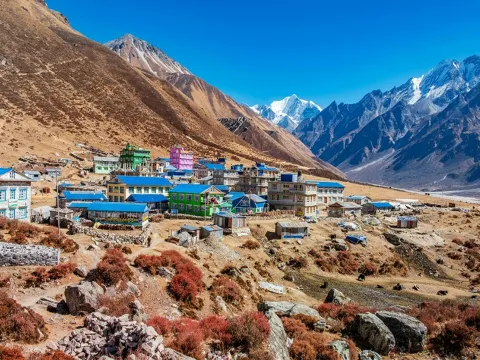
The Langtang Valley Trek is one of Nepal’s most rewarding trekking adventures, offering a perfect blend of mountain scenery, traditional culture, and natural beauty. Located north of Kathmandu near the Tibetan border, the Langtang region is known for its spectacular Himalayan landscapes, lush forests, glacial rivers, and welcoming Tamang communities. This 10-day itinerary provides trekkers with an unforgettable journey through the heart of Langtang National Park, leading to the beautiful settlement of Kyanjin Gompa and the breathtaking viewpoint of Tserko Ri (5,000m).Organized by Himalayan Mantras, this trek begins with a scenic drive from Kathmandu to Syabrubesi and follows a well-established trail through Lama Hotel, Langtang Village, and Kyanjin Gompa. Along the route, trekkers experience dramatic changes in landscapes, from subtropical forests to alpine meadows and snow-capped peaks. The highlight of the trek is the ascent to Tserko Ri, which rewards hikers with panoramic views of Langtang Lirung, Dorje Lakpa, and several other Himalayan giants.Scenic drive from Kathmandu to SyabrubesiTrek through Langtang National ParkExplore traditional Tamang villagesVisit Kyanjin Gompa monasteryHike to Tserko Ri (5,000m)Spectacular Himalayan mountain viewsBest Season for Langtang Valley TrekThe best seasons for the Langtang Valley Trek are spring (March to May) and autumn (September to November). During spring, the hillsides are covered with blooming rhododendron forests, colorful wildflowers, and lush greenery. Temperatures remain pleasant, making trekking comfortable while offering clear mountain views throughout the journey.Autumn is considered the most popular trekking season due to stable weather, dry trails, and exceptional visibility. Following the monsoon season, the atmosphere becomes crystal clear, revealing stunning Himalayan panoramas. Trekkers can enjoy comfortable daytime temperatures and breathtaking sunrise and sunset views over the snow-covered peaks.Winter trekking is possible for experienced trekkers seeking solitude, although temperatures can drop significantly at higher elevations. Monsoon season, from June to August, brings heavy rainfall, slippery trails, and reduced visibility, making it less favorable for trekking.Best Trekking Seasons:Spring: March to MayAutumn: September to NovemberWinter: December to February (for experienced trekkers)Monsoon: June to August (less recommended)Langtang Valley Trek Difficulty and TransportationThe Langtang Valley Trek is considered a moderate trekking adventure suitable for individuals with average physical fitness. Trekkers walk approximately 5 to 7 hours per day on most trekking days, with gradual altitude gains. The most challenging section is the hike to Tserko Ri at 5,000 meters, which requires good endurance and proper acclimatization. However, the gradual ascent of the itinerary helps reduce the risk of altitude-related issues.Transportation for the trek involves a scenic drive between Kathmandu and Syabrubesi. The journey typically takes 7 to 9 hours, depending on road conditions and traffic. The route passes through picturesque hills, rivers, terraced farmland, and traditional villages, providing a glimpse into rural Nepalese life before the trekking adventure begins.Difficulty & Transportation Facts:Trek Grade: ModerateDaily Walking: 5–7 hoursHighest Point: Tserko Ri (5,000m)Kathmandu to Syabrubesi Drive: 7–9 hoursSuitable for beginners with preparationFood and Accommodation for Langtang Valley TrekThroughout the Langtang Valley Trek, trekkers stay in comfortable local teahouses that provide basic yet cozy accommodation. Rooms generally include twin beds, blankets, and shared bathroom facilities. The hospitality of local families creates a warm and authentic mountain experience that many trekkers appreciate.Food options along the route are surprisingly diverse. Trekkers can enjoy traditional Nepali Dal Bhat, noodles, soups, fried rice, Tibetan bread, pancakes, eggs, potatoes, and seasonal vegetables. Hot tea, coffee, and other beverages are available at most teahouses. Himalayan Mantras carefully plans accommodations and meal arrangements to ensure comfort and convenience throughout the journey.Food & Accommodation Features:Traditional teahouse accommodationComfortable twin-sharing roomsNepali and international meal optionsFreshly prepared local dishesHot drinks available along the routeLangtang Valley Trek PermitsTo enter the Langtang region, trekkers must obtain the necessary permits required by the Nepalese government. These permits help support conservation efforts, maintain trekking trails, and promote sustainable tourism within Langtang National Park.Himalayan Mantras assists trekkers in arranging all required permits before the trek begins, ensuring a hassle-free travel experience. Carrying permits at all times is mandatory, as they are checked at various checkpoints along the trekking route.Required Permits:Langtang National Park Entry PermitTIMS (Trekkers' Information Management System) Card (if applicable according to current regulations)Passport copy and passport-sized photographsPermit verification at trekking checkpointsWhy Choose Langtang Valley TrekThe Langtang Valley Trek is an excellent choice for travelers seeking a rewarding Himalayan experience without committing to longer and more demanding trekking routes. The trek offers remarkable mountain scenery, rich cultural encounters, diverse landscapes, and peaceful trails, all within a relatively short timeframe. Its accessibility from Kathmandu makes it one of the most convenient trekking destinations in Nepal.Choosing Himalayan Mantras for your Langtang Valley Trek ensures professional service, experienced guides, personalized support, and a commitment to safety. The company's local expertise helps trekkers gain deeper insights into the culture, history, and natural beauty of the Langtang region while enjoying a well-organized trekking experience from arrival to departure.Why Trek with Himalayan Mantras?Experienced local trekking teamProfessional guides and support staffCarefully planned itineraryAuthentic cultural experiencesExcellent customer serviceFocus on safety and responsible tourismAffordable and reliable trekking packages
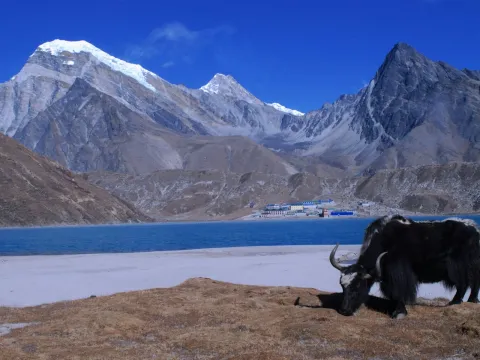
The Gokyo Lake Trek is one of the most rewarding trekking adventures in Nepal, offering a quieter and more scenic alternative to the traditional Everest Base Camp route. This spectacular journey takes trekkers through the heart of the Everest region, passing charming Sherpa villages, ancient monasteries, rhododendron forests, and breathtaking mountain landscapes. The trek reaches the stunning Gokyo Valley, home to a series of pristine turquoise lakes that are considered sacred by both Hindus and Buddhists.With Himalayan Mantras, trekkers can enjoy a carefully designed 12-day itinerary that combines natural beauty, cultural exploration, and high-altitude adventure. The highlight of the trek is the ascent to Gokyo Ri (5,357 m), one of the best viewpoints in the Himalayas. From the summit, trekkers can witness panoramic views of Mount Everest, Lhotse, Makalu, Cho Oyu, and numerous other snow-capped peaks. The trek also includes visits to the beautiful Gokyo Lakes and a hike toward the Fourth Gokyo Lake, providing unforgettable Himalayan scenery.Highlights of Gokyo Lake Trek:Scenic flight between Kathmandu and LuklaExplore the famous Sherpa town of Namche BazaarVisit the pristine Gokyo LakesSunrise view from Gokyo Ri (5,357 m)Spectacular views of Everest, Makalu, Lhotse, and Cho OyuRich Sherpa culture and traditionsBest Season for Gokyo Lake TrekThe best seasons for the Gokyo Lake Trek are spring (March to May) and autumn (September to November). During these months, the weather remains stable, skies are generally clear, and mountain views are at their finest. Spring brings blooming rhododendron forests and mild temperatures, making the trekking experience colorful and enjoyable.Autumn is equally popular due to its crystal-clear visibility and pleasant trekking conditions. After the monsoon season, the landscapes become fresh and vibrant, creating excellent photography opportunities. The temperatures are comfortable during the day, while nights remain cold but manageable with proper trekking gear.Although winter and monsoon treks are possible, they present additional challenges such as snow-covered trails, colder temperatures, and reduced visibility. Himalayan Mantras recommends spring and autumn for the safest and most enjoyable trekking experience.Best Trekking Seasons:Spring: March, April, MayAutumn: September, October, NovemberWinter: Suitable for experienced trekkersMonsoon: Less crowded but wetter conditionsGokyo Lake Trek Difficulty and TransportationThe Gokyo Lake Trek is considered a moderately challenging trek that requires a reasonable level of physical fitness. Trekkers walk for approximately 5 to 7 hours daily while gradually gaining altitude. The highest point of the trek is Gokyo Ri at 5,357 meters, making proper acclimatization essential. The itinerary includes an acclimatization day in Namche Bazaar to help reduce the risk of altitude-related issues.No technical climbing skills are required, making the trek suitable for beginners with good fitness levels and previous hiking experience. Himalayan Mantras provides experienced guides who monitor trekkers' health and ensure a safe trekking pace throughout the journey.Transportation begins with your arrival in Kathmandu, followed by a thrilling mountain flight to Lukla, the gateway to the Everest region. After completing the trek, trekkers return to Lukla and fly back to Kathmandu before final departure.Transportation Includes:Airport transfers in KathmanduKathmandu–Lukla flightLukla–Kathmandu return flightGuided trekking support throughout the journeyFood and Accommodation for Gokyo Lake TrekDuring the Gokyo Lake Trek, accommodation is provided in comfortable teahouses and mountain lodges operated by local families. These lodges offer basic yet cozy rooms, comfortable beds, blankets, and warm hospitality. In lower elevations, facilities are more developed, while higher-altitude lodges remain simpler but clean and welcoming.Food options along the trail are surprisingly diverse. Trekkers can enjoy traditional Nepali meals, Tibetan specialties, and various international dishes. Popular meals include Dal Bhat, noodles, soups, fried rice, potatoes, pasta, pancakes, and hot beverages. Eating nutritious meals and staying hydrated are important for maintaining energy and adapting to the altitude.Himalayan Mantras carefully selects quality teahouses to ensure comfort and hygiene throughout the trek.Food Highlights:Traditional Nepali Dal BhatTibetan bread and noodle soupFried rice and pasta dishesTea, coffee, and hot lemon drinksVegetarian meal options availableGokyo Lake Trek PermitsTo enter the Everest region and undertake the Gokyo Lake Trek, trekkers must obtain the required permits. These permits help support conservation efforts and local community development in the Khumbu region. Himalayan Mantras handles all permit arrangements, allowing trekkers to focus entirely on their adventure.The primary permits required are the Khumbu Pasang Lhamu Rural Municipality Permit and the Sagarmatha National Park Entry Permit. These permits are checked at various checkpoints along the trekking route. Trekkers should carry a valid passport and passport-sized photographs during the permit application process.Obtaining permits through a professional trekking company ensures a smooth and hassle-free experience.Required Permits:Sagarmatha National Park Entry PermitKhumbu Pasang Lhamu Rural Municipality PermitValid passport for registrationPermit processing assistance by Himalayan MantrasWhy Choose Gokyo Lake TrekThe Gokyo Lake Trek offers an extraordinary combination of natural beauty, cultural immersion, and breathtaking Himalayan panoramas. Unlike busier trekking routes, the Gokyo Valley provides a more peaceful environment where trekkers can fully appreciate the tranquility of the mountains. The turquoise lakes, dramatic glaciers, and panoramic viewpoints create an unforgettable trekking experience.Choosing Himalayan Mantras ensures professional service, experienced local guides, personalized support, and a commitment to safety. Our team focuses on delivering authentic Himalayan adventures while maintaining responsible and sustainable tourism practices. From airport arrival to final departure, every aspect of your journey is carefully managed to provide a seamless and memorable experience.Whether you are seeking spectacular mountain views, cultural encounters, or a unique trekking challenge, the Gokyo Lake Trek with Himalayan Mantras is an ideal choice for exploring one of Nepal's most beautiful trekking destinations.Why Trek with Himalayan Mantras?Experienced and licensed trekking guidesWell-planned itinerary and acclimatization scheduleQuality accommodation arrangementsReliable logistics and permit managementFocus on safety and customer satisfactionAuthentic local Himalayan experience
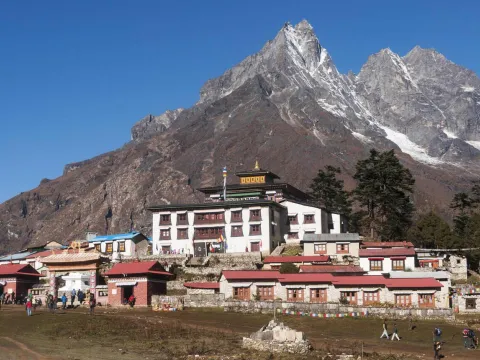
The Everest Panorama Trek is one of the most rewarding short trekking adventures in Nepal, offering breathtaking views of the world's highest peaks without the need to trek to Everest Base Camp. Organized by Himalayan Mantras, this carefully designed itinerary takes travelers through the heart of the Khumbu region, allowing them to experience Sherpa culture, ancient monasteries, and spectacular Himalayan landscapes. The trek begins with a scenic mountain flight to Lukla and follows the famous Everest trail through charming villages such as Phakding, Namche Bazaar, Tengboche, Khumjung, and Monjo.This trek is ideal for travelers who have limited time but still want to witness the grandeur of Mount Everest, Ama Dablam, Lhotse, Thamserku, and other snow-capped giants. Along the route, trekkers explore traditional Sherpa settlements, visit the renowned Tengboche Monastery, and enjoy stunning panoramic viewpoints. The journey combines natural beauty, cultural immersion, and moderate trekking challenges, making it suitable for families, beginners, and experienced trekkers alike.Trek HighlightsScenic mountain flight between Kathmandu and LuklaExplore vibrant Namche Bazaar, the Sherpa capitalVisit the famous Tengboche MonasteryExperience authentic Sherpa culture and hospitalityEnjoy panoramic views of Everest, Ama Dablam, Lhotse, and NuptseComfortable trekking itinerary with proper acclimatizationBest Season for Everest Panorama TrekThe Everest Panorama Trek can be enjoyed throughout much of the year, but spring and autumn are widely considered the best trekking seasons. During spring (March to May), the weather is stable, temperatures are comfortable, and colorful rhododendron forests bloom across the hillsides. The skies are generally clear, providing exceptional mountain visibility and ideal photography opportunities.Autumn (September to November) is another highly recommended season due to its crisp weather, dry trails, and crystal-clear mountain views. The post-monsoon atmosphere creates some of the most spectacular Himalayan panoramas. During this period, trekkers can also experience local festivals and cultural celebrations in the Everest region.Winter treks are possible for those seeking quieter trails, though temperatures can drop significantly at higher elevations. The monsoon season brings rainfall and occasional flight delays, making it less favorable for trekking.Recommended SeasonsSpring: March to MayAutumn: September to NovemberWinter: December to February (for quieter trails)Monsoon: June to August (less recommended)Everest Panorama Trek Difficulty and TransportationThe Everest Panorama Trek is considered a moderate-level trek, making it suitable for individuals with average fitness levels. Daily walking durations typically range from four to six hours, with gradual ascents and descents through mountain trails. The itinerary includes an acclimatization day in Namche Bazaar, which helps trekkers adjust to higher elevations and minimizes the risk of altitude-related issues.Unlike more demanding Everest region treks, this route remains below extreme altitudes while still offering incredible Himalayan scenery. Basic physical preparation, such as regular walking, hiking, or cardiovascular exercise before the trip, is sufficient for most participants.Transportation plays a major role in the adventure. The journey begins with sightseeing in Kathmandu before taking an exciting flight to Lukla, often regarded as one of the world's most scenic mountain flights. After completing the trek, travelers fly back to Kathmandu, where they can relax and explore Nepal's cultural heritage.Difficulty & Transport FactsModerate trekking difficultySuitable for beginners and familiesDaily trekking: 4–6 hoursMaximum elevation: 3,867m (Tengboche)Round-trip scenic flights to LuklaComfortable hotel stays in KathmanduFood and Accommodation for Everest Panorama TrekHimalayan Mantras ensures comfortable accommodation and quality meals throughout the Everest Panorama Trek. In Kathmandu, trekkers stay in well-appointed hotels with modern facilities. During the trek, accommodation is provided in traditional teahouses and lodges operated by local families, offering a warm and welcoming environment.Food options are surprisingly diverse along the trail. Trekkers can enjoy traditional Nepali dishes such as Dal Bhat, as well as international meals including noodles, pasta, fried rice, soups, pancakes, eggs, and baked goods. Freshly prepared meals provide the necessary energy for daily trekking activities.The teahouses also serve hot beverages such as tea, coffee, and hot chocolate, helping trekkers stay warm in the mountain environment. While accommodation becomes more basic at higher elevations, cleanliness, comfort, and hospitality remain excellent.Food & Accommodation FeaturesComfortable hotels in KathmanduTraditional mountain teahouses during the trekNutritious breakfast, lunch, and dinner optionsNepali and international cuisine availableWarm hospitality from local Sherpa familiesEverest Panorama Trek PermitsSeveral permits are required to enter and trek within the Everest region. Himalayan Mantras arranges all necessary permits and documentation on behalf of trekkers, ensuring a hassle-free experience. These permits support conservation efforts and help maintain trekking infrastructure within the Sagarmatha region.The primary permits include the Sagarmatha National Park Entry Permit and the Khumbu Pasang Lhamu Rural Municipality Permit. Trekkers should carry valid identification and passport-sized photographs during the permit application process.Obtaining permits through a professional trekking company ensures compliance with local regulations and allows trekkers to focus entirely on enjoying the journey.Required PermitsSagarmatha National Park Entry PermitKhumbu Pasang Lhamu Rural Municipality PermitValid passport copyPassport-sized photographsPermit assistance by Himalayan MantrasWhy Choose Everest Panorama TrekThe Everest Panorama Trek is the perfect choice for travelers seeking the beauty of the Everest region without committing to a longer and more strenuous expedition. The route offers a balanced combination of adventure, culture, comfort, and mountain scenery, making it one of Nepal's most popular short treks.Choosing Himalayan Mantras means traveling with an experienced local team dedicated to safety, personalized service, and authentic cultural experiences. From airport transfers and accommodation to permits, flights, and professional trekking guides, every aspect of the journey is carefully organized to provide a seamless trekking experience.Whether you are a first-time trekker or a returning visitor to Nepal, the Everest Panorama Trek delivers unforgettable memories of Himalayan landscapes, Sherpa heritage, and world-class trekking trails.Why Trek with Himalayan Mantras?Experienced local guides and staffCarefully planned itinerary with acclimatizationExcellent safety standardsPersonalized customer serviceAuthentic cultural experiencesCompetitive pricing and quality supportStunning Everest region mountain views
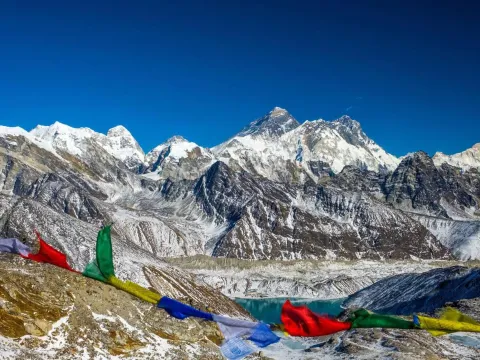
The Everest Three Pass Trek is one of the most challenging and rewarding trekking circuits in the Everest region, designed for experienced trekkers seeking high-altitude adventure beyond the standard Everest Base Camp route. This trek crosses three major Himalayan passes—Kongma La (5,535 m), Cho La (5,420 m), and Renjo La (5,360 m)—while also covering iconic destinations such as Kathmandu, Lukla, Namche Bazaar, Tengboche, Dingboche, and the turquoise lakes of Gokyo.The itinerary begins with arrival in Kathmandu and a scenic mountain flight to Lukla, followed by gradual trekking through the Dudh Koshi valley. The route ascends toward Namche Bazaar, the vibrant Sherpa capital, before continuing through Tengboche monastery and into the high-altitude settlement of Dingboche. From here, trekkers tackle three high passes, each offering dramatic glacier crossings, panoramic Himalayan views, and remote alpine landscapes.This trek also includes major highlights such as Everest Base Camp (5,364 m), Kala Patthar viewpoint, and the Gokyo Lakes system, making it a complete Everest circuit adventure. It is physically demanding but extremely rewarding, offering unmatched diversity in terrain, culture, and Himalayan scenery.Cross 3 high Himalayan passes above 5,300 mVisit Everest Base Camp & Kala PattharExplore Gokyo Lakes and glacial valleysExperience Sherpa culture in Namche & TengbocheScenic flight between Kathmandu and LuklaBest Season for Everest Three Pass TrekThe best seasons for the Everest Three Pass Trek are spring (March–May) and autumn (September–November). These periods provide stable weather conditions, clear skies, and excellent mountain visibility, which are crucial for high passes such as Kongma La, Cho La, and Renjo La. During these seasons, trekkers enjoy moderate temperatures in lower elevations like Namche Bazaar and crisp, cold but manageable conditions at higher altitudes.Spring is especially beautiful due to blooming rhododendrons and active wildlife in the lower Everest region. The trails become colorful and lively, making the journey more scenic. Autumn, on the other hand, is considered the most stable season, with minimal precipitation and crystal-clear Himalayan views, ideal for photography and safe pass crossings.Winter (December–February) is possible but extremely cold, especially above 4,500 m, with heavy snow blocking passes. Monsoon season (June–August) brings rain, landslides, and poor visibility, making trekking unsafe and less enjoyable.Choosing the right season significantly improves safety, acclimatisation success, and overall trekking experience.Best season summary:Spring: Best for flowers & moderate weatherAutumn: Best for clarity & stable conditionsWinter: Very cold, high risk above 5,000 mMonsoon: Not recommended due to rain & landslidesEverest Three Pass Trek Difficulty and TransportationThe Everest Three Pass Trek is classified as strenuous to extremely challenging, primarily due to high altitude, long trekking days, and technical pass crossings. Trekkers must be prepared to walk 6–8 hours daily on rugged terrain, often above 4,000 m. The high passes—especially Kongma La and Cho La—require stamina, mental endurance, and basic alpine trekking experience.Altitude is one of the biggest challenges. The route reaches over 5,500 m at points like Chhukung Ri and the passes, increasing the risk of altitude sickness. Proper acclimatisation days in places such as Dingboche and Gokyo are essential.Transportation begins with a domestic flight from Kathmandu to Lukla, one of the world’s most thrilling mountain airports. From Lukla onward, there are no roads—only trekking routes, yak trails, and suspension bridges.Weather conditions can also impact flights to Lukla, often causing delays or cancellations, so buffer days are strongly recommended. Within the trek, movement is entirely on foot with porter and guide support provided by companies like Himalayan Mantras.Difficulty & transport summary:Strenuous high-altitude trekking route3 major passes above 5,300 mDomestic flight Kathmandu–Lukla requiredNo road access beyond LuklaWeather-dependent flight schedulesRequires strong fitness & acclimatisationFood and Accommodation for Everest Three Pass TrekAccommodation along the Everest Three Pass Trek is primarily in teahouses, which are locally run mountain lodges offering basic but comfortable lodging and meals. In lower regions such as Namche Bazaar and Tengboche, teahouses are more developed with better facilities, while higher regions like Lobuche and Gokyo have simpler accommodations due to limited resources.Rooms typically include twin beds, blankets, and shared bathrooms. As altitude increases, amenities become more basic, and heating is usually only available in dining areas. Despite simplicity, teahouses provide warm hospitality and a strong sense of Himalayan culture.Food options include dal bhat (rice, lentils, vegetables), noodles, pasta, soups, potatoes, and Tibetan bread. At higher elevations, food becomes more expensive due to transportation difficulty. Hydration and high-calorie meals are essential for maintaining energy levels during long trekking days.Companies like Himalayan Mantras ensure hygienic food arrangements and reliable accommodation bookings throughout the route, especially during peak trekking seasons.Food & accommodation summary:Teahouse lodging throughout the routeBetter facilities in lower villagesBasic but functional rooms at high altitudeTraditional Nepalese & international mealsDal Bhat as main energy mealHigher prices with altitude increaseEverest Three Pass Trek PermitsTo complete the Everest Three Pass Trek, trekkers must obtain several permits required by the Nepalese authorities. The most important include the Sagarmatha National Park Entry Permit and the Khumbu Pasang Lhamu Rural Municipality Permit. These permits help regulate tourism and preserve the fragile Himalayan environment.The Sagarmatha National Park permit is required from the entry point near the Everest region and covers protected areas including Namche Bazaar, Tengboche, and Everest Base Camp zones. The local municipality permit is issued in Lukla or Monjo and supports local development initiatives.Trekkers do not require a TIMS card for the Khumbu region in many updated regulations, but rules may change depending on government policy. A registered trekking agency such as Himalayan Mantras typically handles all permit arrangements to ensure compliance and smooth entry.Permits are checked at multiple checkpoints along the trail, so carrying printed copies is essential.Permit summary:Sagarmatha National Park Entry PermitKhumbu Pasang Lhamu Rural Municipality PermitIssued in Kathmandu or Lukla regionChecked at multiple trekking checkpointsAgency-assisted processing recommendedRequired for legal trekking in Everest regionWhy Choose Everest Three Pass Trek with Himalayan MantrasChoosing the Everest Three Pass Trek with Himalayan Mantras ensures a professionally guided, safe, and well-organized Himalayan expedition. This trek is not only physically demanding but also logistically complex, requiring careful planning for altitude, weather, and remote pass crossings.A professional trekking company provides experienced guides who are trained in high-altitude safety, emergency response, and cultural interpretation. This significantly enhances both safety and the overall trekking experience. Porter support also ensures trekkers can focus on the journey without carrying heavy loads.Additionally, Himalayan Mantras offers well-planned acclimatisation schedules, quality teahouse accommodations, permit management, and real-time weather monitoring. This reduces risks and increases success rates for completing all three passes.Beyond logistics, the company emphasises cultural immersion—allowing trekkers to experience Sherpa traditions, Buddhist monasteries, and Himalayan village life in places like Namche Bazaar and Tengboche.Why choose this trek with Himalayan Mantras:Experienced high-altitude certified guidesFull permit and logistics managementSafe acclimatisation-focused itineraryPorter-supported trekking systemCultural immersion opportunitiesHigher safety and success rate
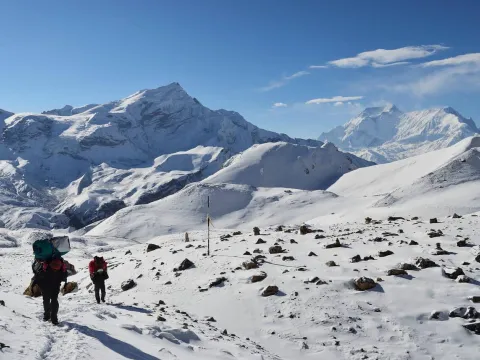
The Annapurna Circuit Trek is one of Nepal’s most iconic trekking adventures, offering a complete journey around the Annapurna Massif. This route passes through diverse landscapes—from subtropical forests and terraced fields to alpine meadows and high mountain deserts. The trek follows your itinerary starting from Kathmandu, gradually ascending through Syange, Dharapani, Chame, Pisang, Manang, and crossing the challenging Thorong La Pass before descending to Muktinath and further into the lower Mustang and Pokhara region.Organized by Himalayan Mantras, this trek is carefully designed to balance adventure, acclimatization, and cultural immersion. Trekkers experience Tibetan-influenced villages, ancient monasteries, and dramatic Himalayan scenery while circling Annapurna I (8,091m), one of the world’s highest peaks.Cross the famous Thorong La Pass (5,416m)Explore Manang Valley and Mustang landscapesVisit sacred Muktinath TempleExperience diverse ethnic cultures (Gurung, Thakali, Tibetan-influenced communities)Scenic drive and trekking combinationThis trek is not just a hike but a complete Himalayan expedition combining nature, spirituality, and cultural depth.Best Season for Annapurna Circuit TrekThe best time to complete the Annapurna Circuit Trek is during spring (March to May) and autumn (September to November). These seasons provide stable weather, clear mountain views, and safe trekking conditions. Spring brings blooming rhododendrons and warmer temperatures, while autumn offers crystal-clear skies after the monsoon season.Winter trekking is possible but challenging due to heavy snowfall at Thorong La Pass, while monsoon season (June to August) brings landslides and slippery trails in lower regions. Himalayan Mantras always recommends choosing peak trekking seasons for safety and optimal experience.Season Breakdown:Spring (Mar–May): Best for flowers and mild temperaturesAutumn (Sep–Nov): Best visibility and stable weatherWinter (Dec–Feb): Very cold, high pass may closeMonsoon (Jun–Aug): Wet, landslide risk, limited visibilityChoosing the right season ensures better acclimatization, safer crossing of high passes, and unforgettable Himalayan views.Annapurna Circuit Trek Difficulty and TransportationThe Annapurna Circuit Trek is considered a moderate to challenging trek due to its long duration, high altitude, and varied terrain. The most demanding section is crossing Thorong La Pass (5,416m), where the risk of altitude sickness is significant. Proper acclimatization days, such as in Manang, are essential for safety.Transportation plays a key role in this itinerary. The journey begins with sightseeing in Kathmandu, followed by an 8–10 hour drive to Syange/Jagat. After completing the trek, travelers descend to Tatopani, continue to Ghorepani and Ghandruk, and finally drive from Pokhara back to Kathmandu.Himalayan Mantras ensures well-managed logistics, including experienced guides, private/shared transport, and emergency support if required.Difficulty & Travel Points:Moderate to strenuous trek overallHigh altitude challenge above 4,000mThorong La Pass is physically demandingDaily walking: 5–8 hours averageMix of driving and trekking sectionsProper fitness preparation and pacing are essential for a successful trek.Food and Accommodation for Annapurna Circuit TrekFood and accommodation along the Annapurna Circuit are mainly provided by teahouses, which are simple mountain lodges run by local families. These teahouses offer basic but comfortable lodging with twin-sharing rooms, warm blankets, and shared bathrooms in most areas.Meals include a mix of Nepali and international dishes such as dal bhat (lentils and rice), noodles, pasta, soups, pancakes, and eggs. As altitude increases, food variety becomes more limited due to transportation challenges.Himalayan Mantras ensures trekkers are guided to hygienic and reliable teahouses, prioritizing safety and comfort throughout the journey.Food & Stay Highlights:Teahouse accommodation along the routeTraditional Nepali meals (dal bhat)Basic Western food options availableHot drinks (tea, coffee, soups) widely availableLimited luxury at higher elevationsWhile facilities are basic in remote areas like Yak Kharka or Thorong Phedi, the warm hospitality of local communities makes the experience memorable.Annapurna Circuit Trek PermitsTo complete the Annapurna Circuit Trek, trekkers must obtain two essential permits: the Annapurna Conservation Area Permit (ACAP) and the Trekkers’ Information Management System (TIMS) card. These permits are mandatory for all foreign trekkers and help regulate tourism and support conservation efforts.ACAP ensures environmental protection of the Annapurna region, while TIMS helps track trekkers for safety purposes. Both permits are easily arranged in Kathmandu or Pokhara, and trekking agencies like Himalayan Mantras usually handle the entire process for convenience.Required Permits:Annapurna Conservation Area Permit (ACAP)TIMS Card (Trekkers’ Information Management System)Passport copies and passport-size photos requiredFees vary depending on nationalityHaving the correct permits ensures smooth passage through checkpoints and contributes to sustainable trekking in Nepal’s protected regions.Why Choose Annapurna Circuit TrekThe Annapurna Circuit Trek is one of the most rewarding trekking experiences in the world because it combines natural beauty, cultural diversity, and high-altitude adventure in a single journey. Unlike shorter treks, it offers a full circuit experience around the Annapurna range, making it more immersive and varied.With professional organization by Himalayan Mantras, trekkers benefit from expert guides, safe itinerary planning, and personalized support throughout the journey. From lush valleys to icy mountain passes, every day brings a new landscape and cultural encounter.Why Choose This Trek:Complete Himalayan circuit experienceDiverse landscapes in one itineraryCultural immersion in mountain villagesCross one of the world’s highest passesWell-supported guided trekking experience
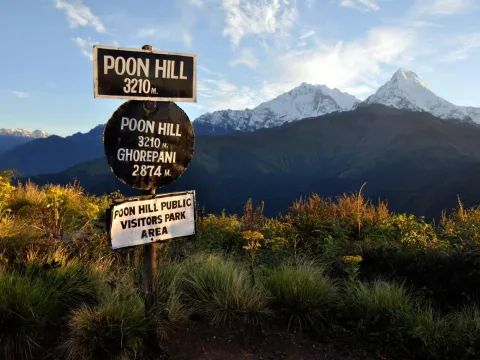
The Ghorepani Poon Hill Trekking, organised by Himalayan Mantras, is one of the most popular short trekking adventures in the Annapurna region of Nepal. This journey beautifully blends natural landscapes, traditional Gurung and Magar villages, and spectacular Himalayan sunrise views. The trek starts from the vibrant capital city Kathmandu and leads travellers through scenic drives and cultural hubs like Pokhara before entering the lush trails of the Annapurna foothills. The highlight of the trek is the sunrise view from Poon Hill, where trekkers witness panoramic views of the Annapurna and Dhaulagiri ranges glowing in golden light.This 8-day itinerary is carefully designed for both beginners and experienced trekkers who want a moderate adventure within a short timeframe. The route passes through charming settlements such as Nayapul, Ulleri, Ghorepani, and Ghandruk, each offering unique cultural experiences and mountain hospitality. The journey is not just about walking; it is about experiencing Nepal’s rural lifestyle, terraced farmlands, rhododendron forests, and the warm welcome of local communities.Scenic drive between Kathmandu and PokharaSunrise view from Poon Hill viewpointTraditional Gurung village experience in GhandrukRhododendron forests and Himalayan biodiversityShort and beginner-friendly trekking routeBest Season for Ghorepani Poon Hill TrekkingThe best time to experience the Ghorepani Poon Hill Trekking with Himalayan Mantras is during spring (March to May) and autumn (September to November). In spring, the trails around Ghorepani and Poon Hill are decorated with blooming rhododendron forests, creating vibrant red, pink, and white landscapes. The weather is generally stable, offering clear views of snow-capped peaks from the Annapurna and Dhaulagiri ranges.Autumn is another highly recommended season due to its crystal-clear skies, mild temperatures, and excellent visibility. After the monsoon, the air becomes fresh and dust-free, allowing trekkers to enjoy uninterrupted Himalayan panoramas. Even the cultural atmosphere in villages like Ghandruk becomes more lively due to harvest season activities and local festivals.Best Season Summary:Spring (March–May): Flowers, greenery, moderate temperatureAutumn (Sept–Nov): Best mountain views, stable weatherWinter (Dec–Feb): Cold but less crowded trailsMonsoon (June–Aug): Slippery trails, limited visibilityGhorepani Poon Hill Trekking Difficulty and TransportationThe Ghorepani Poon Hill Trek is considered a moderate-level trek, suitable for beginners with basic fitness. The trails include both stone staircases and forest paths, especially the steep ascent from Tikhedhunga to Ulleri, which is known for its long stone steps. However, with gradual pacing and proper rest, most trekkers complete it comfortably within 4–5 days of trekking.Transportation plays an important role in this itinerary designed by Himalayan Mantras. The journey begins with a drive from Kathmandu to Pokhara, followed by a shorter drive to Nayapul, the trekking starting point. After completing the trek, travellers return to Pokhara and then back to Kathmandu via scenic highway routes.Difficulty & Transport Points:Moderate trekking difficulty levelStone stair climbs (especially the Ulleri section)Daily walking: 4–7 hours averageJeep/bus drives between major citiesSuitable for beginners with basic fitnessFood and Accommodation for Ghorepani Poon Hill TrekkingDuring the Ghorepani Poon Hill Trekking organised by Himalayan Mantras, accommodation is mainly in local teahouses and mountain lodges. These lodges in places like Ghorepani and Ghandruk provide basic but comfortable rooms with twin beds, warm blankets, and shared bathrooms. The hospitality of local hosts makes the trekking experience warm and culturally enriching.Food along the route is simple, hygienic, and energising. Trekkers can enjoy traditional Nepali meals such as dal bhat (rice, lentils, and vegetables), as well as noodles, soups, pasta, and Tibetan bread. In higher villages near Poon Hill, food options may be limited but still freshly prepared to support trekking energy needs.Food & Accommodation Highlights:Teahouse accommodation throughout the routeHot meals: dal bhat, noodles, soups, pancakesVegetarian and non-vegetarian options availableHot showers available in some lodges (extra cost)Cosy communal dining areas for trekkersGhorepani Poon Hill Trekking PermitsTo undertake the Ghorepani Poon Hill Trek with Himalayan Mantras, trekkers are required to obtain two essential permits. These include the Annapurna Conservation Area Permit (ACAP) and the Trekkers’ Information Management System (TIMS) card. These permits help regulate tourism and ensure safety within the Annapurna region, including areas like Nayapul, Ghorepani, and Ghandruk.These permits are typically arranged in Kathmandu or Pokhara before starting the trek. When booking with Himalayan Mantras, the company assists in handling all necessary documentation, ensuring a hassle-free experience for travellers.Permit Essentials:ACAP (Annapurna Conservation Area Permit)TIMS Card (Trekkers’ Information System)Issued in Kathmandu or PokharaRequired for all foreign trekkersAssistance provided by Himalayan MantrasWhy Choose Ghorepani Poon Hill TrekkingChoosing the Ghorepani Poon Hill Trek with Himalayan Mantras is ideal for travellers seeking a short yet rewarding Himalayan experience. Unlike longer and more demanding treks, this journey offers stunning mountain views, rich cultural encounters, and accessible trails within just a week. The sunrise from Poon Hill remains one of the most unforgettable highlights, attracting trekkers from all over the world.The route through Ghorepani and Ghandruk provides a deep cultural immersion into Gurung traditions, while the scenic landscapes of the Annapurna foothills ensure constant visual delight. With expert guides from Himalayan Mantras, safety, comfort, and meaningful travel experiences are prioritised throughout the journey.Why Choose This Trek:Short duration (7–8 days total trip)Iconic sunrise view from Poon HillRich Gurung and Magar cultural experienceSuitable for beginners and familiesFully organised by Himalayan Mantras for smooth travel
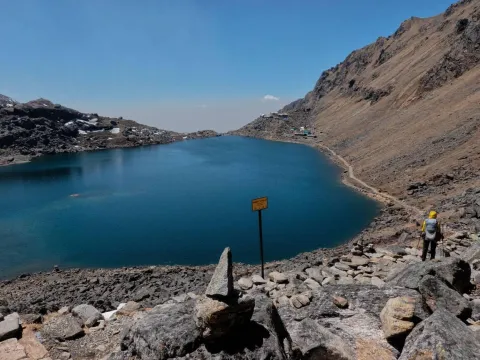
The Langtang Gosaikunda Trek is one of Nepal’s most rewarding trekking adventures, combining the cultural richness of the Langtang Valley with the sacred alpine lakes of Gosaikunda. This 14-day journey takes trekkers through beautiful rhododendron forests, traditional Tamang settlements, high mountain landscapes, glacial valleys, and holy pilgrimage sites. Located north of Kathmandu within the Langtang National Park, the trek offers stunning views of Langtang Lirung, Ganesh Himal, Dorje Lakpa, and several other snow-capped peaks.Beginning with a scenic drive from Kathmandu to Syabrubesi, the trail gradually ascends through lush forests and charming villages to Langtang Village and Kyanjin Gompa. A memorable highlight is the hike to Tserko Ri (5,000m), one of the finest viewpoints in the Langtang region. After exploring Kyanjin Gompa, the trek continues toward the sacred Gosaikunda Lake, a revered pilgrimage destination for both Hindus and Buddhists. The combination of breathtaking scenery, spiritual significance, and authentic Himalayan culture makes this trek an unforgettable experience.Scenic drive between Kathmandu and SyabrubesiExploration of Langtang National ParkVisit to traditional Tamang villagesHike to Tserko Ri (5,000m)Visit sacred Gosaikunda Lake (4,380m)Spectacular Himalayan mountain viewsRich cultural and spiritual experiencesComfortable teahouse trekking adventureBest Season for Langtang Gosaikunda TrekThe best seasons for the Langtang Gosaikunda Trek are spring (March to May) and autumn (September to November). During spring, the hills and forests burst into color with blooming rhododendrons, magnolias, and other alpine flowers. The weather remains pleasant with moderate temperatures, making trekking comfortable and enjoyable. Mountain views are generally clear, allowing trekkers to enjoy panoramic vistas throughout the journey.Autumn is equally popular due to its stable weather conditions and crystal-clear skies. Following the monsoon season, the landscapes become lush and vibrant while visibility reaches its peak. Trekkers can enjoy stunning views of the Langtang Himalayas and the sacred lakes around Gosaikunda. Winter trekking is possible for experienced trekkers, although heavy snowfall may affect higher sections of the trail. The monsoon season brings rain and slippery trails, making it a less favorable period for trekking.Recommended Seasons:Spring: March, April, MayAutumn: September, October, NovemberWinter: Suitable for experienced trekkersMonsoon: Less recommended due to rainfallLangtang Gosaikunda Trek Difficulty and TransportationThe Langtang Gosaikunda Trek is considered a moderate to challenging trekking route. The trek involves daily walking of approximately 5 to 7 hours across varied terrain, including steep ascents and descents. The highest elevation reached during the trek is Tserko Ri at 5,000 meters, where proper acclimatization is essential. Trekkers should possess a reasonable level of physical fitness and be prepared for high-altitude conditions.Transportation for the trek is relatively straightforward. The journey begins with a scenic drive from Kathmandu to Syabrubesi, which takes approximately 7 to 8 hours depending on road conditions. After completing the trek in Dhunche, travelers return to Kathmandu by road. Himalayan Mantras arranges comfortable transportation, experienced guides, and necessary logistical support to ensure a smooth trekking experience from arrival to departure.Difficulty Factors:Moderate to challenging trekking routeDaily walks of 5–7 hoursMaximum elevation: 5,000mHigh-altitude trekking experience beneficialSuitable for physically fit trekkersTransportation:Kathmandu to Syabrubesi by roadDhunche to Kathmandu by roadPrivate or shared vehicle optionsFully managed logistics by Himalayan MantrasFood and Accommodation for Langtang Gosaikunda TrekThroughout the Langtang Gosaikunda Trek, trekkers stay in traditional teahouses and mountain lodges operated by local families. These accommodations provide simple yet comfortable rooms, generally featuring twin-sharing beds, blankets, and communal dining areas. While facilities become more basic at higher elevations, the warm hospitality of local hosts creates a welcoming atmosphere for trekkers.Food options along the trail are surprisingly diverse. Teahouses serve nutritious meals designed to provide energy for trekking. Popular dishes include Dal Bhat, fried rice, noodles, Tibetan bread, soups, momos, pancakes, eggs, and seasonal vegetables. Hot beverages such as tea, coffee, and ginger honey lemon are readily available. Himalayan Mantras ensures that trekkers receive proper guidance regarding food choices and hydration throughout the journey.Accommodation Features:Local teahouses and lodgesTwin-sharing roomsCozy dining hallsFriendly local hospitalityFood Options:Traditional Dal BhatFried rice and noodlesTibetan bread and pancakesSoups and hot drinksVegetarian and non-vegetarian choicesLangtang Gosaikunda Trek PermitsTrekkers undertaking the Langtang Gosaikunda Trek are required to obtain specific permits before entering the trekking region. These permits help support conservation efforts and ensure proper management of the trekking trails within Langtang National Park. The necessary permits include the Langtang National Park Entry Permit and the TIMS (Trekkers’ Information Management System) Card, depending on current government regulations.Himalayan Mantras assists trekkers with all permit arrangements, ensuring a hassle-free process before the trek begins. Travelers simply need to provide passport copies and passport-sized photographs. Carrying permits throughout the trek is mandatory, as checkpoints are located at various points along the route.Required Permits:Langtang National Park Entry PermitTIMS Card (subject to regulations)Valid passport copyPassport-sized photographsWhy Choose Langtang Gosaikunda TrekThe Langtang Gosaikunda Trek offers an exceptional combination of natural beauty, cultural immersion, and spiritual significance. Unlike some of Nepal’s busier trekking routes, this trail provides a more peaceful and authentic Himalayan experience. Trekkers can witness traditional Tamang culture, explore remote mountain settlements, and visit the sacred Gosaikunda Lake while enjoying magnificent Himalayan panoramas.Choosing Himalayan Mantras for your Langtang Gosaikunda Trek ensures professional service, experienced local guides, personalized attention, and a commitment to responsible tourism. The company focuses on safety, customer satisfaction, and authentic travel experiences. From airport transfers and permit arrangements to accommodation and trekking support, Himalayan Mantras handles every detail, allowing trekkers to fully enjoy their Himalayan adventure.Why Trek with Himalayan Mantras?Experienced local trekking guidesReliable transportation arrangementsHassle-free permit managementCarefully planned itinerariesStrong focus on safetyAuthentic cultural experiencesCompetitive pricingExcellent customer support
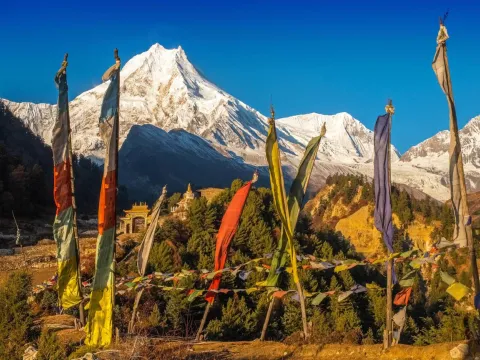
The Manaslu Circuit Trek is one of Nepal’s most spectacular and less-crowded trekking adventures, circling the majestic Mount Manaslu, the world's eighth-highest mountain at 8,163 meters. This remarkable journey takes trekkers through remote Himalayan landscapes, ancient Buddhist villages, deep river gorges, lush forests, and high mountain passes. Unlike the more commercial trekking routes in Nepal, the Manaslu region offers an authentic cultural experience where visitors can explore traditional lifestyles influenced by Tibetan Buddhism.The 16-day itinerary carefully combines cultural exploration, scenic trekking, and proper acclimatization. Starting from Kathmandu and progressing through Machha Khola, Jagat, Deng, Namrung, Sama Gaon, and Samdo, trekkers gradually gain altitude before crossing the challenging Larkya La Pass at 5,106 meters. The trek rewards adventurers with breathtaking mountain panoramas, including views of Manaslu, Himalchuli, Ngadi Chuli, and Ganesh Himal. Himalayan Mantras ensures a well-organized experience with professional guides, comfortable accommodations, and a focus on safety throughout the journey.Trek around Mount Manaslu (8,163m)Cross Larkya La Pass (5,106m)Explore authentic Tibetan-influenced villagesExperience diverse landscapes and ecosystemsLess crowded than Everest and Annapurna routesGuided adventure with Himalayan MantrasBest Season for Manaslu Circuit TrekThe best time to undertake the Manaslu Circuit Trek is during the spring (March to May) and autumn (September to November) seasons. During spring, the trails are decorated with blooming rhododendrons, colorful alpine flowers, and pleasant temperatures. The weather remains relatively stable, allowing trekkers to enjoy clear mountain views and comfortable trekking conditions. Wildlife activity is also more visible during this season, adding another dimension to the trekking experience.Autumn is considered the most popular trekking season because of its crystal-clear skies, dry weather, and outstanding visibility. Following the monsoon rains, the landscapes appear lush and vibrant, making the mountain scenery even more impressive. Winter trekking is possible but can be challenging due to snow accumulation around Larkya La Pass, while the monsoon season often brings heavy rainfall, slippery trails, and potential landslides.Best Seasons:Spring: March, April, MayAutumn: September, October, NovemberClear mountain viewsStable weather conditionsExcellent photography opportunitiesComfortable trekking temperaturesManaslu Circuit Trek Difficulty and TransportationThe Manaslu Circuit Trek is considered a moderately challenging to strenuous trek. Trekkers walk approximately 5 to 8 hours daily over varied terrain, including stone staircases, suspension bridges, forest trails, and high-altitude mountain paths. The highest point, Larkya La Pass at 5,106 meters, requires good physical fitness, mental determination, and proper acclimatization. Prior trekking experience is beneficial but not mandatory for individuals who maintain a good level of fitness and prepare adequately before the trip.Transportation for the trek begins with a scenic drive from Kathmandu to Machha Khola. The journey passes through beautiful countryside landscapes, terraced farmlands, and traditional settlements. At the end of the trek, travelers descend to Dharapani and drive to Besisahar before returning to Kathmandu. Himalayan Mantras arranges reliable private or shared transportation, ensuring a smooth and comfortable travel experience throughout the expedition.Difficulty & Transport:Moderate to challenging trekking routeMaximum altitude: 5,106mDaily walking: 5–8 hoursDrive from Kathmandu to Machha KholaReturn drive via BesisaharProfessional guides and logistical supportFood and Accommodation for Manaslu Circuit TrekFood and accommodation along the Manaslu Circuit are primarily provided through traditional teahouses operated by local families. These lodges offer simple yet comfortable rooms, usually with twin beds, blankets, and shared bathroom facilities. As the trek ascends to higher elevations, facilities become more basic, but the hospitality remains warm and welcoming. Staying in teahouses allows trekkers to connect with local communities and experience authentic Himalayan culture.Meals during the trek are nutritious and designed to provide energy for long trekking days. Popular menu items include Dal Bhat, noodles, fried rice, Tibetan bread, soups, pasta, momos, potatoes, and seasonal vegetables. Hot drinks such as tea, coffee, ginger tea, and lemon tea are widely available. Himalayan Mantras carefully selects quality lodges and dining facilities to ensure comfort and hygiene throughout the journey.Food & Accommodation:Traditional teahouse lodgingTwin-sharing roomsLocal and international mealsFreshly prepared foodVegetarian options availableAuthentic cultural experienceManaslu Circuit Trek PermitsThe Manaslu region is classified as a restricted area by the Government of Nepal, making permits mandatory for all trekkers. To enter the region, trekkers must obtain a Restricted Area Permit (RAP), a Manaslu Conservation Area Permit (MCAP), and an Annapurna Conservation Area Permit (ACAP). Additionally, a licensed guide is compulsory, and independent trekking is not permitted in the restricted section of the trail.Obtaining these permits can be a complex process for international visitors. Himalayan Mantras handles all permit arrangements, documentation, and government procedures on behalf of trekkers. This allows guests to focus entirely on their adventure while ensuring compliance with local regulations and conservation efforts.Required Permits:Restricted Area Permit (RAP)Manaslu Conservation Area Permit (MCAP)Annapurna Conservation Area Permit (ACAP)Licensed guide mandatoryPermit processing managed by Himalayan MantrasSupports regional conservation effortsWhy Choose Manaslu Circuit TrekThe Manaslu Circuit Trek is perfect for travelers seeking a genuine Himalayan adventure away from crowded trekking routes. The region combines stunning mountain scenery, rich cultural heritage, diverse ecosystems, and a challenging high-altitude crossing. From remote Buddhist monasteries and traditional villages to dramatic alpine landscapes, every day presents a unique and unforgettable experience.Choosing Himalayan Mantras for your Manaslu Circuit Trek ensures professional service, experienced guides, carefully planned itineraries, and dedicated customer support. The company prioritizes safety, responsible tourism, and personalized trekking experiences. With extensive local knowledge and a commitment to excellence, Himalayan Mantras helps trekkers create lasting memories while exploring one of Nepal’s most extraordinary trekking destinations.Why Trek with Himalayan Mantras:Experienced local trekking expertsLicensed and professional guidesWell-planned acclimatization scheduleReliable logistics and supportCommitment to safety and sustainabilityPersonalized customer serviceAuthentic Himalayan experiences
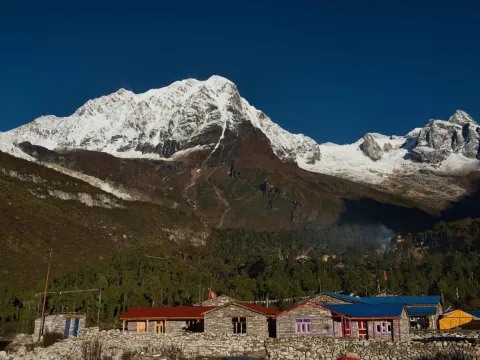
The Manaslu Tsum Valley Trek is one of Nepal’s most rewarding and culturally immersive trekking adventures. Organized by Himalayan Mantras, this remarkable journey combines the remote beauty of the Tsum Valley with the spectacular Manaslu Circuit, offering trekkers an unforgettable experience in the heart of the Himalayas. The trek begins with a scenic drive from Kathmandu to Machha Khola and gradually ascends through traditional villages, dense forests, deep river gorges, ancient monasteries, and breathtaking mountain landscapes.Tsum Valley, often called the “Hidden Valley of Happiness,” remained isolated from the outside world for centuries. The region is rich in Tibetan Buddhist culture, ancient traditions, and sacred monasteries such as Rachen Gompa and Mu Gompa. As the trek continues, adventurers join the classic Manaslu Circuit route, passing through Namrung, Lho, Samagaon, and Samdo before crossing the challenging Larkya La Pass (5,160m). The journey offers stunning views of Mount Manaslu (8,163m), the eighth-highest mountain in the world, along with numerous snow-capped Himalayan peaks.Exploring the secluded Tsum ValleyVisiting Rachen Gompa and Mu GompaExperiencing authentic Tibetan Buddhist cultureStunning views of Mount Manaslu and surrounding peaksCrossing the spectacular Larkya La Pass (5,160m)Diverse landscapes from subtropical forests to alpine terrainBest Season for Manaslu Tsum Valley TrekThe best seasons for the Manaslu Tsum Valley Trek are spring (March to May) and autumn (September to November). During these months, the weather is generally stable, the skies are clear, and trekkers can enjoy excellent mountain visibility. Spring brings colorful rhododendron blooms, lush forests, and moderate temperatures, creating ideal trekking conditions throughout the region.Autumn is considered the most popular trekking season due to its crystal-clear views, dry trails, and pleasant daytime temperatures. The monsoon rains have already cleared the atmosphere, resulting in spectacular panoramas of the Himalayan range. Villages along the route are lively during this period, allowing trekkers to experience local festivals and cultural celebrations.Seasonal advantages include:Clear mountain viewsStable weather conditionsComfortable trekking temperaturesExcellent photography opportunitiesBetter trail and pass conditionsRich cultural experiences during local festivalsManaslu Tsum Valley Trek Difficulty and TransportationThe Manaslu Tsum Valley Trek is considered a moderately challenging to strenuous trek. The route involves long trekking days, continuous ascents and descents, high-altitude terrain, and crossing the demanding Larkya La Pass at 5,160 meters. Previous trekking experience is beneficial, although physically fit beginners with proper preparation can complete the trek.Altitude is one of the primary challenges during this adventure. Himalayan Mantras carefully designs the itinerary with gradual elevation gain and an acclimatization day at Samagaon to help trekkers adjust safely. Good physical fitness, endurance, and mental determination are essential for completing the trek comfortably.Transportation begins with a scenic drive from Kathmandu to Machha Khola and concludes with a drive back to Kathmandu from Dharapani. These overland journeys provide excellent opportunities to witness Nepal’s rural landscapes, river valleys, and hillside settlements before and after the trek.Difficulty and transport facts:Moderate to strenuous trekking gradeMaximum altitude: Larkya La Pass (5,160m)Daily trekking: 5–8 hours on averageAcclimatization day includedRoad transfer Kathmandu–Machha KholaRoad transfer Dharapani–KathmanduFood and Accommodation for Manaslu Tsum Valley TrekThroughout the trek, accommodation is provided in local teahouses and lodges that offer simple yet comfortable facilities. Rooms are generally twin-sharing and provide basic bedding. As the trail reaches higher elevations, facilities become more basic, reflecting the remoteness of the region. Despite this, the warm hospitality of local communities creates a welcoming atmosphere for trekkers.Food options along the trail are nutritious and designed to support trekkers during long walking days. Popular meals include Dal Bhat, noodles, fried rice, soups, potatoes, Tibetan bread, pancakes, eggs, and seasonal vegetables. Tea houses also serve hot beverages such as tea, coffee, and hot lemon drinks that help trekkers stay warm in higher elevations.Food and accommodation features:Comfortable local teahousesTwin-sharing room arrangementsTraditional Nepali and Tibetan mealsFreshly prepared food along the routeVegetarian options widely availableWarm hospitality from local familiesManaslu Tsum Valley Trek PermitsSince the Manaslu and Tsum Valley regions are protected and restricted areas, trekkers must obtain several permits before starting the journey. These regulations help preserve the region’s natural environment, cultural heritage, and unique traditions. Himalayan Mantras assists trekkers with all necessary permit arrangements to ensure a smooth and hassle-free trekking experience.The required permits typically include the Manaslu Restricted Area Permit (RAP), Tsum Valley Restricted Area Permit, Manaslu Conservation Area Permit (MCAP), and Annapurna Conservation Area Permit (ACAP). Trekking in this region also requires a registered guide and a minimum of two trekkers according to government regulations.Required permits:Manaslu Restricted Area Permit (RAP)Tsum Valley Restricted Area PermitManaslu Conservation Area Permit (MCAP)Annapurna Conservation Area Permit (ACAP)Licensed guide requirementCompliance with restricted-area regulationsWhy Choose Manaslu Tsum Valley TrekThe Manaslu Tsum Valley Trek offers a perfect blend of adventure, culture, spirituality, and Himalayan scenery. Unlike more crowded trekking routes in Nepal, this trek provides a peaceful and authentic mountain experience. Trekkers can explore hidden valleys, ancient monasteries, traditional villages, and pristine landscapes while enjoying close interactions with local communities.Choosing Himalayan Mantras for your Manaslu Tsum Valley Trek ensures professional service, experienced guides, personalized attention, and a strong commitment to safety. The company focuses on delivering memorable trekking experiences while promoting responsible tourism and supporting local communities. With carefully planned itineraries, knowledgeable staff, and exceptional customer care, Himalayan Mantras helps trekkers discover the true beauty of the Manaslu and Tsum Valley region.Reasons to choose this trek:Remote and less crowded trekking routeUnique Tibetan Buddhist cultureSpectacular Himalayan mountain viewsRich spiritual and historical heritageExciting high-altitude adventureProfessional support from Himalayan MantrasSafe and well-planned itineraryAuthentic local experiences
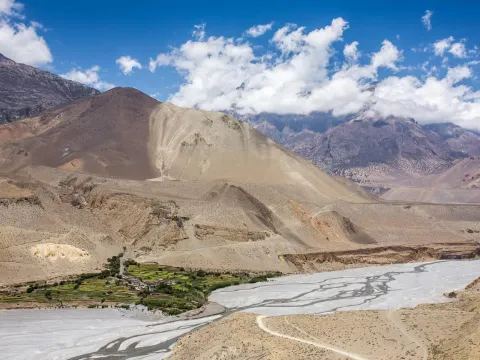
The Upper Mustang Trek is one of Nepal’s most fascinating and culturally rich trekking adventures, taking travelers into the hidden kingdom of Mustang. Located in the rain-shadow region of the Annapurna and Dhaulagiri ranges, Upper Mustang offers a unique landscape of barren cliffs, colorful rock formations, deep canyons, and ancient Tibetan-influenced settlements. Unlike many trekking destinations in Nepal, the region receives very little rainfall, making it an excellent destination even during the monsoon season.This remarkable 16-day journey begins in Kathmandu before traveling to Pokhara and flying to Jomsom, the gateway to Mustang. The trek follows an ancient salt-trading route through traditional villages such as Kagbeni, Chele, Syangmoche, Ghami, and Charang before reaching the walled city of Lo Manthang. The capital of the former Kingdom of Mustang preserves centuries-old monasteries, royal palaces, unique traditions, and a way of life deeply connected to Tibetan culture.One of the highlights of the trek is the exploration of the mysterious Chhoser Caves near Lo Manthang. These ancient cave systems carved into cliffs offer insight into the region’s rich history and archaeological significance. Throughout the journey, trekkers enjoy spectacular views of Nilgiri, Annapurna, Dhaulagiri, and other Himalayan peaks while experiencing the warm hospitality of local communities.Himalayan Mantras carefully designs this trek to provide a perfect balance of adventure, cultural immersion, and comfort. Whether you are interested in history, photography, nature, or cultural exploration, the Upper Mustang Trek delivers an unforgettable Himalayan experience unlike any other trekking route in Nepal.Explore the ancient Kingdom of MustangVisit the historic walled city of Lo ManthangDiscover the famous Chhoser CavesExperience authentic Tibetan culture and traditionsTrek through dramatic desert-like Himalayan landscapesEnjoy stunning mountain views throughout the journeyBest Season for Upper Mustang TrekOne of the major advantages of the Upper Mustang Trek is that it can be undertaken during a longer trekking season compared to many other regions of Nepal. Since Upper Mustang lies in a rain-shadow area beyond the Annapurna and Dhaulagiri mountain ranges, it remains relatively dry even when other trekking routes experience heavy monsoon rainfall. This unique geographical feature makes Upper Mustang a special destination for travelers seeking trekking opportunities during different times of the year.The best seasons for the Upper Mustang Trek are spring (March to May) and autumn (September to November). During spring, the weather remains stable with moderate temperatures and clear skies. Trekkers can enjoy colorful landscapes, blooming vegetation in lower regions, and excellent mountain views. The days are generally warm and comfortable for walking, while evenings are pleasantly cool.Autumn is equally popular due to its crystal-clear visibility, dry conditions, and stable weather patterns. Following the monsoon season, the air becomes exceptionally clean, creating breathtaking panoramic views of the surrounding Himalayan peaks. Cultural festivals celebrated in Mustang during autumn can also provide travelers with a deeper understanding of local traditions and customs.Interestingly, Upper Mustang is also one of Nepal’s best trekking destinations during the monsoon months of June, July, and August. While much of Nepal receives significant rainfall, Mustang remains relatively dry, attracting trekkers who want to avoid crowded trails and enjoy peaceful trekking conditions.Best Trekking SeasonsSpring (March–May): Pleasant temperatures and clear viewsSummer/Monsoon (June–August): Dry conditions due to rain-shadow locationAutumn (September–November): Best visibility and stable weatherWinter (December–February): Cold temperatures, fewer trekkersExcellent destination for photography throughout most of the yearSuitable for cultural exploration and sightseeingUpper Mustang Trek Difficulty and TransportationThe Upper Mustang Trek is considered a moderately challenging trek suitable for individuals with a reasonable level of fitness and a passion for adventure. Unlike some high-altitude trekking routes that involve technical climbing, the Upper Mustang Trek follows established trails through valleys, villages, and mountain passes. However, trekkers should be prepared for multiple days of walking, varying terrain, and gradual altitude gain throughout the journey.Daily trekking hours generally range from 4 to 7 hours, depending on the itinerary. The highest overnight elevation is around Lo Manthang and nearby areas, reaching approximately 3,800 meters. While the altitude is lower than many popular Himalayan trekking regions, proper acclimatization and a steady pace remain important. Trekkers should engage in light physical preparation before the trip, including walking, hiking, or cardiovascular exercises to improve endurance.Transportation is a significant part of the Upper Mustang adventure. The journey starts with a scenic drive from Kathmandu to Pokhara, followed by a spectacular mountain flight from Pokhara to Jomsom. This short flight offers incredible aerial views of the Annapurna and Dhaulagiri ranges. From Jomsom, the trekking portion begins and continues through the remote landscapes of Upper Mustang before returning to Jomsom for the flight back to Pokhara.Himalayan Mantras arranges all transportation logistics, including private transfers, domestic flights, and trekking support services. Our experienced guides ensure that travelers enjoy a safe, organized, and comfortable journey throughout the trek.Difficulty & Transportation FactsModerate trekking difficultyNo technical climbing requiredDaily walking: 4–7 hoursMaximum elevation around 3,800 metersScenic Kathmandu–Pokhara driveMountain flight between Pokhara and JomsomSuitable for trekkers with average fitness levelsFood and Accommodation for Upper Mustang TrekThe Upper Mustang Trek offers a rewarding cultural experience not only through its landscapes and traditions but also through its local food and accommodation facilities. Although the region is remote, trekkers can enjoy comfortable teahouses and lodges that provide essential services throughout the journey. Over the years, tourism development has improved accommodation standards while maintaining the authentic character of the Mustang region.Accommodation during the trek is generally provided in family-run teahouses and guesthouses. Rooms are simple, clean, and comfortable, usually featuring twin beds with blankets. In larger villages such as Kagbeni, Ghami, Charang, and Lo Manthang, facilities may include attached bathrooms, hot showers, and dining areas, depending on availability. Staying in local lodges allows trekkers to interact closely with residents and gain deeper insight into their culture and lifestyle.Food options are surprisingly diverse considering the remote location. Most teahouses offer a menu that includes traditional Nepali dishes as well as Tibetan and international cuisine. Dal Bhat, Nepal’s famous rice and lentil meal, is the most popular choice due to its nutritional value and unlimited refills in many lodges. Trekkers can also enjoy noodles, soups, fried rice, momos, Tibetan bread, pancakes, pasta, potatoes, tea, coffee, and seasonal vegetables.Himalayan Mantras carefully selects reliable accommodations and dining establishments to ensure guests receive hygienic meals and comfortable lodging throughout the trek. Maintaining proper hydration and balanced nutrition is essential at higher elevations, and our guides assist trekkers in making healthy food choices during the journey.Food & Accommodation HighlightsComfortable local teahouses and lodgesTraditional Nepali and Tibetan cuisinePopular meal: Dal BhatTea, coffee, soups, and snacks are availableWarm hospitality from local familiesHygienic meal arrangements by Himalayan MantrasAn authentic cultural experience in every villageUpper Mustang Trek PermitsUpper Mustang is a protected and restricted area of Nepal, making special trekking permits mandatory for all foreign visitors. These permit regulations help preserve the region’s unique culture, environment, and historical heritage while ensuring sustainable tourism practices. Trekkers are required to travel through a registered trekking company and be accompanied by a licensed guide.The primary permit required for the Upper Mustang Trek is the Restricted Area Permit (RAP). This permit is issued by the Government of Nepal and covers travel within the designated Upper Mustang region. In addition, trekkers must obtain the Annapurna Conservation Area Permit (ACAP), which supports conservation efforts and environmental management throughout the Annapurna region.Permit regulations can change periodically according to government policies. Therefore, it is essential to obtain updated information before planning your trek. Himalayan Mantras handles all permit arrangements on behalf of trekkers, ensuring a smooth and hassle-free process. Our team assists with documentation, application procedures, and coordination with relevant authorities.The permit system also contributes to preserving the unique cultural identity of Mustang. Because visitor numbers are controlled, trekkers enjoy a less crowded experience compared to other popular trekking routes in Nepal. This helps maintain the authenticity of local communities and protects centuries-old traditions that continue to thrive in the region.Required PermitsRestricted Area Permit (RAP)Annapurna Conservation Area Permit (ACAP)Licensed guide requiredTrekking through a registered company is mandatoryPassport and photographs requiredPermit assistance provided by Himalayan MantrasSupports conservation and cultural preservationWhy Choose Upper Mustang Trek with Himalayan MantrasChoosing the right trekking company can significantly enhance your experience in the Himalayas. Himalayan Mantras is committed to delivering professionally organized, safe, and memorable trekking adventures throughout Nepal. Our Upper Mustang Trek package is designed to provide travelers with an authentic cultural experience while maintaining high standards of safety, comfort, and service.Our experienced local guides possess extensive knowledge of the Mustang region, including its history, culture, traditions, and trekking routes. They ensure that trekkers not only reach their destinations safely but also gain meaningful insights into the unique heritage of the former Kingdom of Mustang. From ancient monasteries and traditional villages to hidden caves and spectacular viewpoints, our guides enrich every step of the journey.Himalayan Mantras handles all logistics, including permits, transportation, accommodation, domestic flights, and trekking support. This allows travelers to focus entirely on enjoying their adventure without worrying about complicated travel arrangements. We prioritize personalized service, responsible tourism, and environmental sustainability while supporting local communities throughout the region.With years of experience in Himalayan trekking and a strong commitment to customer satisfaction, Himalayan Mantras has earned the trust of travelers from around the world. Whether you are a solo traveler, couple, family, or group, we strive to create unforgettable experiences that showcase the very best of Nepal’s hidden Himalayan treasures.Why Himalayan Mantras?Experienced local trekking guidesComplete permit and logistics managementSafe and professionally organized itinerariesAuthentic cultural experiencesReliable accommodation and transportationPersonalized customer serviceCommitment to responsible tourismTrusted Himalayan trekking specialists
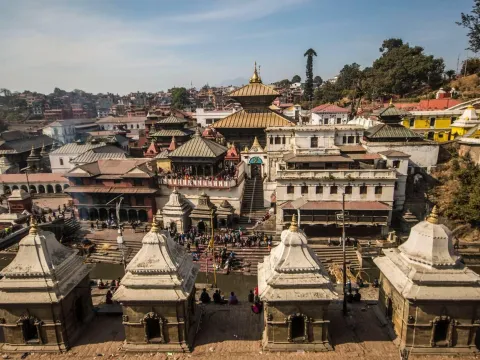
The Nepal Highlight Tour is a carefully designed 10-day journey that blends cultural heritage, natural beauty, Himalayan landscapes, wildlife adventure, and hilltop sunrise experiences. Organized by Himalayan Mantras, this tour is ideal for travelers who want to experience the best of Nepal in a single, well-paced itinerary. The journey covers iconic destinations including Kathmandu, Pokhara, Nagarkot, Bandipur, and Chitwan National Park.This itinerary combines UNESCO World Heritage Sites, Himalayan viewpoints, serene lakes, traditional hill villages, and jungle safari experiences. It is designed for comfort and a moderate travel pace, ensuring that both first-time visitors and experienced travelers can enjoy Nepal without rushing.UNESCO heritage sightseeing in Kathmandu ValleySunrise view from Nagarkot and SarangkotLakeside relaxation in PokharaCultural hill town experience in BandipurJungle safari in Chitwan National ParkScenic road journeys across NepalThe tour reflects Nepal’s diversity within a short timeframe, making it one of the most comprehensive travel experiences in South Asia.Best Season for Nepal Highlight TourThe best time to experience the Nepal Highlight Tour is during spring (March–May) and autumn (September–November). These seasons offer clear skies, stable weather, and excellent mountain visibility, especially in Pokhara and Nagarkot. Himalayan peaks appear sharp and stunning, making sunrise viewpoints particularly rewarding.During spring, rhododendron forests bloom across hills and national parks, adding vibrant color to landscapes. Autumn, on the other hand, coincides with major Nepali festivals, giving travelers a chance to witness cultural celebrations in Kathmandu and rural areas.Seasonal Breakdown:Spring (Mar–May): Blooming flowers, pleasant temperaturesMonsoon (Jun–Aug): Lush greenery but heavy rain and road delaysAutumn (Sep–Nov): Best visibility, festivals, ideal trekking conditionsWinter (Dec–Feb): Cold mornings, clear skies, fewer touristsFor travelers booking with Himalayan Mantras, autumn is often recommended as the top season due to its balance of weather, visibility, and cultural richness. However, winter tours are also rewarding for those who prefer quieter travel experiences.Nepal Highlight Tour Difficulty and TransportationThe Nepal Highlight Tour is considered easy to moderate in difficulty, making it suitable for families, senior travelers, and first-time visitors. There is no trekking involved, but the itinerary includes long scenic drives across hilly terrain, which may take several hours per journey.Transportation is primarily by private tourist vehicle arranged by Himalayan Mantras, ensuring comfort and flexibility. Roads between cities like Kathmandu, Pokhara, and Chitwan are scenic but winding, so travel time may be longer than the distance suggests.Transportation Features:Private air-conditioned tourist vehicleExperienced local driverFlexible stops for photography and restOptional short domestic flights (on request)Travel Difficulty Notes:Moderate road travel (5–8 hours on some days)Light walking during sightseeing toursNo high-altitude risk or trekking strainSuitable for all age groupsKey drives include Kathmandu to Pokhara and scenic routes to Bandipur and Chitwan National Park. The journey itself becomes part of the experience, showcasing rivers, terraced fields, and mountain views.Food and Accommodation for Nepal Highlight TourAccommodation throughout the Nepal Highlight Tour is carefully selected by Himalayan Mantras to ensure comfort, cleanliness, and local character. In major cities like Kathmandu and Pokhara, travelers stay in 3–4 star hotels, while in Nagarkot and Bandipur, boutique hill resorts provide scenic Himalayan views.Hotels are chosen for their hospitality standards, breakfast quality, and convenient locations near major attractions. Rooms typically include modern amenities such as Wi-Fi, hot showers, and comfortable bedding.Accommodation Types:Kathmandu & Pokhara: Tourist-standard hotelsNagarkot: Hilltop resorts with sunrise viewsBandipur: Heritage-style boutique hotelsChitwan: Jungle lodges near the national parkFood during the tour includes a mix of Nepali, Indian, and international cuisine. Traditional meals like dal bhat (rice and lentils), momos (dumplings), and thukpa (noodle soup) are commonly available. In tourist areas, vegetarian and vegan options are widely accessible.Food Highlights:Authentic Nepali meals in local restaurantsContinental breakfast in hotelsJungle lodge buffet in ChitwanLakeside dining in PokharaThis combination ensures travelers enjoy both comfort food and authentic local flavors throughout the journey.Nepal Highlight Tour PermitsFor this itinerary, most destinations do not require complex trekking permits, making it a hassle-free cultural and scenic tour. However, certain entry fees and conservation permits are included or managed by Himalayan Mantras to ensure smooth travel.The main regulated area is Chitwan National Park, which requires a national park entry permit for jungle activities such as safari drives, canoe rides, and birdwatching.Permit & Entry Requirements:Chitwan National Park entry permitMonument entry fees in Kathmandu Durbar Square and heritage sitesLocal municipality fees in some hill stationsAll permits arranged by Himalayan MantrasImportant Notes:No trekking permits required (no restricted zones)A passport copy is required for registrationPermits included in most tour packages (confirm with operator)Since the tour focuses on cultural exploration and wildlife experience rather than trekking, documentation remains simple. This makes it especially convenient for international travelers who want a smooth, guided experience in Nepal.Why Choose Nepal Highlight Tour (Himalayan Mantras)The Nepal Highlight Tour by Himalayan Mantras is designed for travelers who want a complete Nepal experience without the complexity of trekking or multiple separate bookings. It combines culture, nature, wildlife, and Himalayan scenery into one seamless itinerary.The biggest advantage is the balanced pacing and expert local coordination, ensuring travelers can enjoy each destination without stress. From heritage sites in Kathmandu to lakeside beauty in Pokhara and jungle adventure in Chitwan National Park, every segment is professionally managed.Why This Tour Stands Out:Covers Nepal’s top destinations in 10 daysNo trekking required (easy accessibility)Private transport and guided sightseeingCultural + natural + wildlife combinationComfortable hotels and curated experiencesManaged entirely by Himalayan MantrasThis tour is ideal for families, couples, solo travelers, and first-time visitors. It delivers the essence of Nepal in one journey—Himalayan views, ancient temples, peaceful hills, and rich wildlife—making it one of the most complete travel packages available.